

Products

Featured products

  • Diffractometer
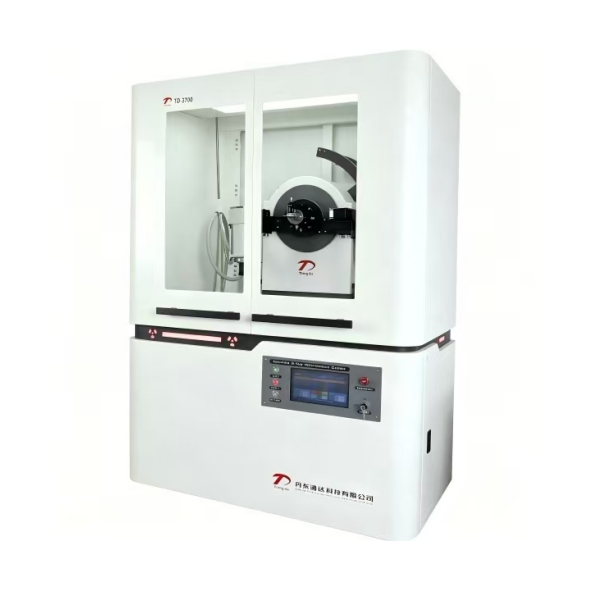
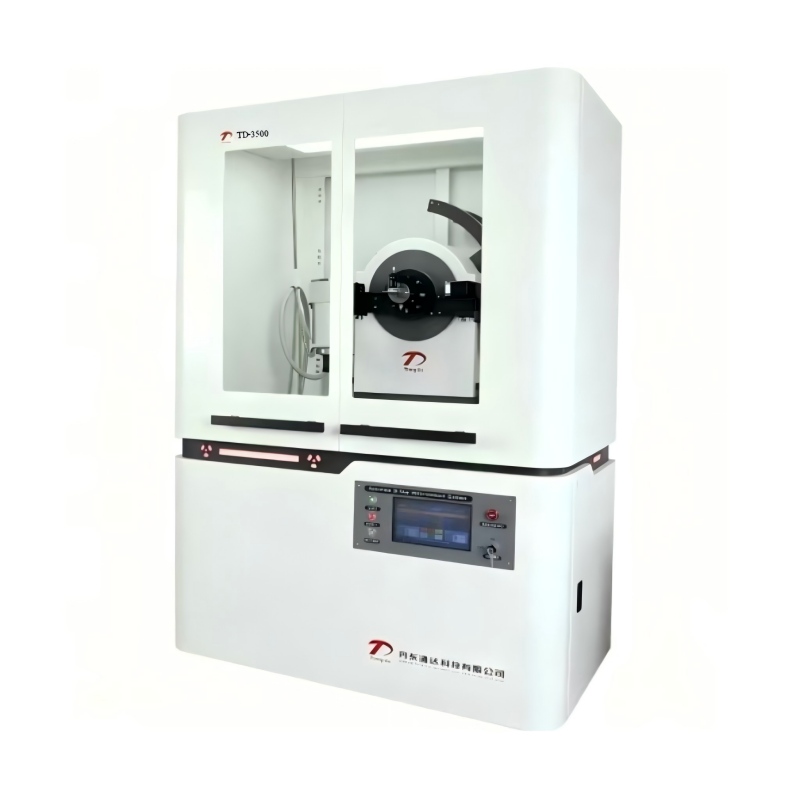
    Diffractometer
    1. The accuracy of Diffractometer is high. 2. The application range of Diffractometer is wide. 3. Diffractometer is easy to operate, convenient and efficient.
    More
  • Single Crystal XRD
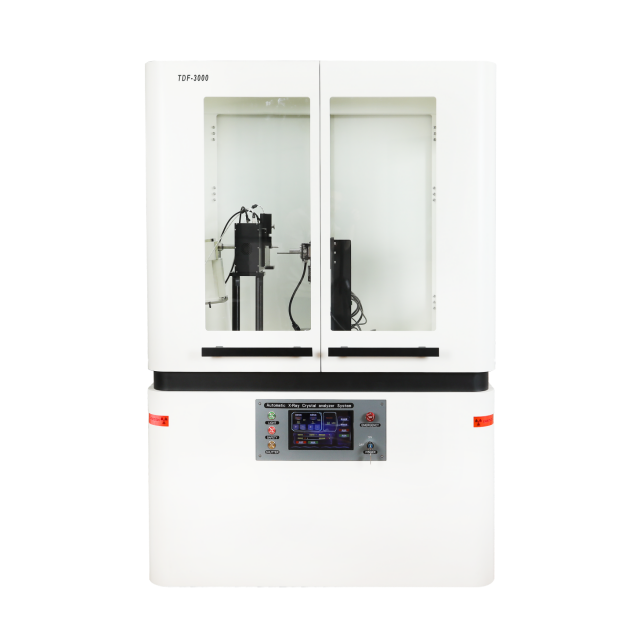
    Single Crystal XRD
    1.The single crystal machine adopts PLC control technology. 2.Modular design, accessories plug and play. 3.Electronic lead door interlocking equipment with double protection. 4.Single crystal X-ray tube: a variety of targets can be selected, such as Cu, Mo,etc. 5. Single crystal adopts four-circle concentric technology to ensure that the center of no goniometer remains unchanged.
    More
  • A 2D X-ray Diffractometer
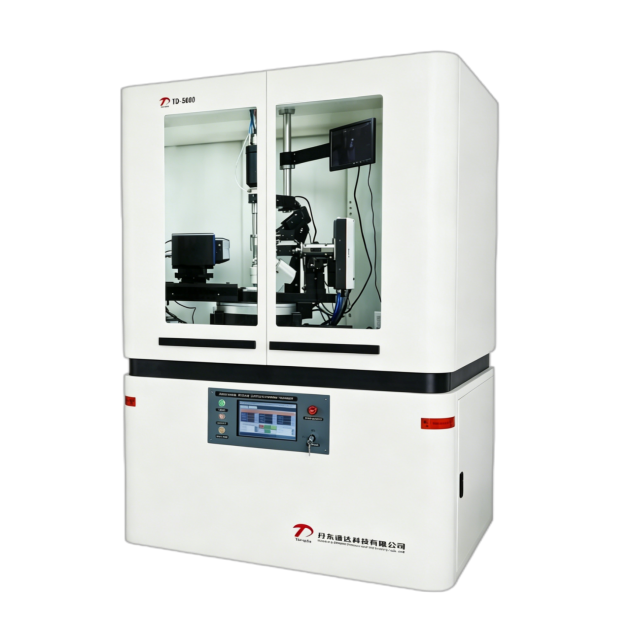
    A 2D X-ray Diffractometer
    Advantages: Continuously adjustable X-ray penetration depth Capability to observe the distribution of crystal planes with different orientations Analysis of orientation distribution in samples such as fibers, thin films, and powders Examination of structural characteristics like lattice distortion and crystallite size
    More
  • X-ray Diffraction Residual Stress Analyzer
    X-ray Diffraction Residual Stress Analyzer
    TD-RSD XRD Residual Stress Analyzer ±7MPa accuracy, dual-detector innovation, full-auto operation & powerful software. Optimize processes, enhance product reliability. Compact, efficient, leading solution.
    More

Contact us

X-ray detector

2024-01-20

X-ray detector is a device used to detect X-rays, which has a wide range of applications in medicine, science and industry. Let's take a look at how X-ray detectors work.
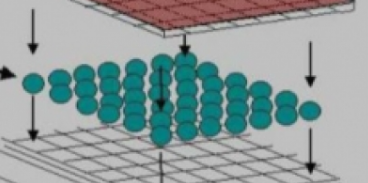
X-rays

The basic principle of X-ray detector is to use the ionization of time lines. When X-rays pass through the detector material, they interact with the atoms in the material, causing electrons to detach from the atoms. These electrons interact with the electrodes in the detector, creating an electrical charge and an electrical signal. An X-ray detector can amplify, digitize, and process this electrical signal to form an X-ray image. There are many types of X-ray detectors, including the more common scintillation detector, gas detector and semiconductor detector.
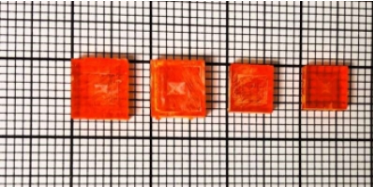
X-ray detector

Scintillation detectors use the luminous properties of certain materials to detect X-rays.  Scintillation detectors have the advantage of detecting very weak X-ray signals, and the disadvantage is low sensitivity.


Gas detectors use the ionization of gas to detect X-rays.  Gas detectors can detect very high energy X-ray signals, but the disadvantage is that the signal-to-noise ratio is low.


Semiconductor detectors use the properties of semiconductor materials to detect X-rays.  Semiconductor detectors can detect very weak X-ray signals, while the signal-to-noise ratio is relatively high, so it is widely used in medical imaging and other fields.

X-ray


Get the latest price? We will reply as soon as possible (within 12 hours)

top