

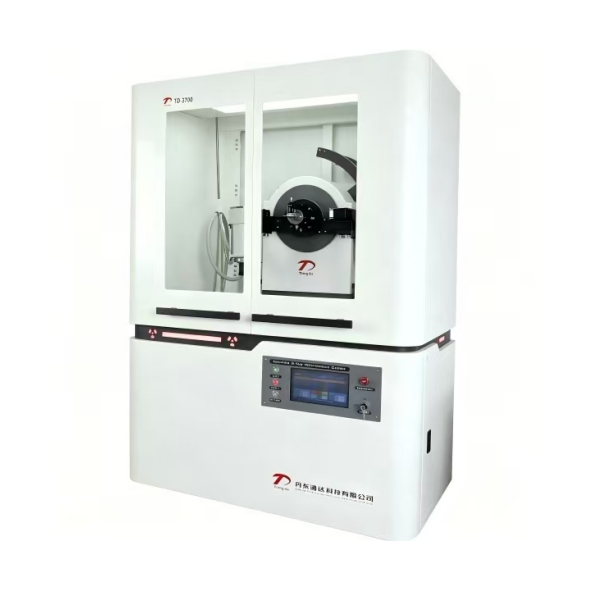
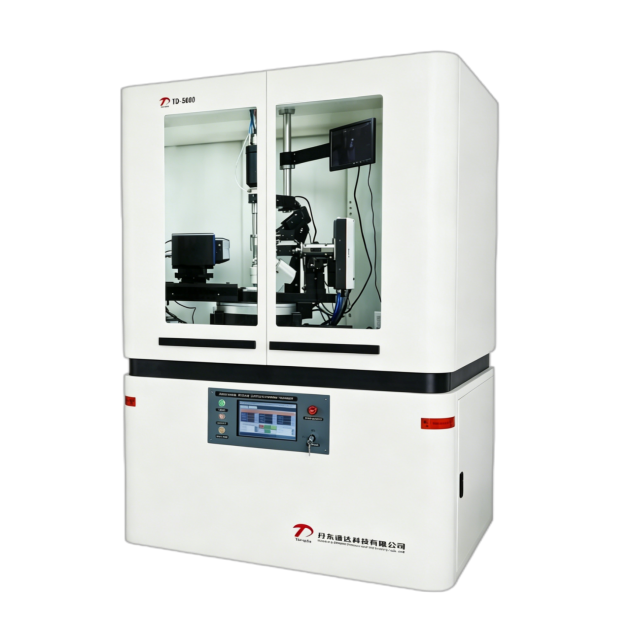
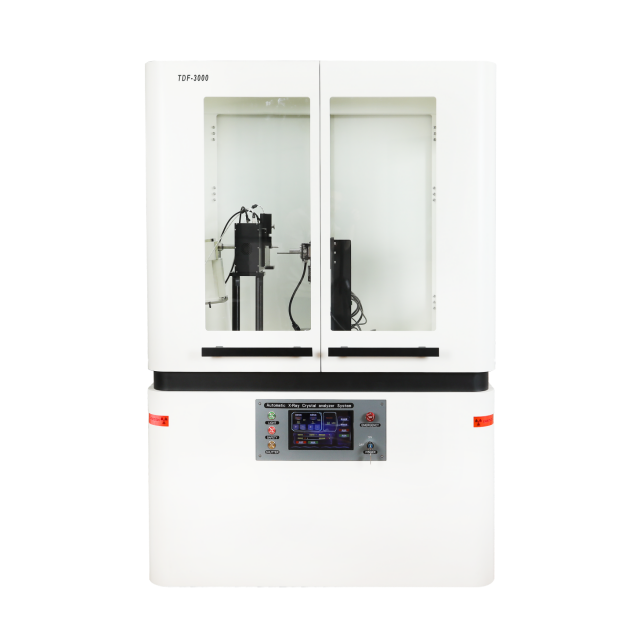
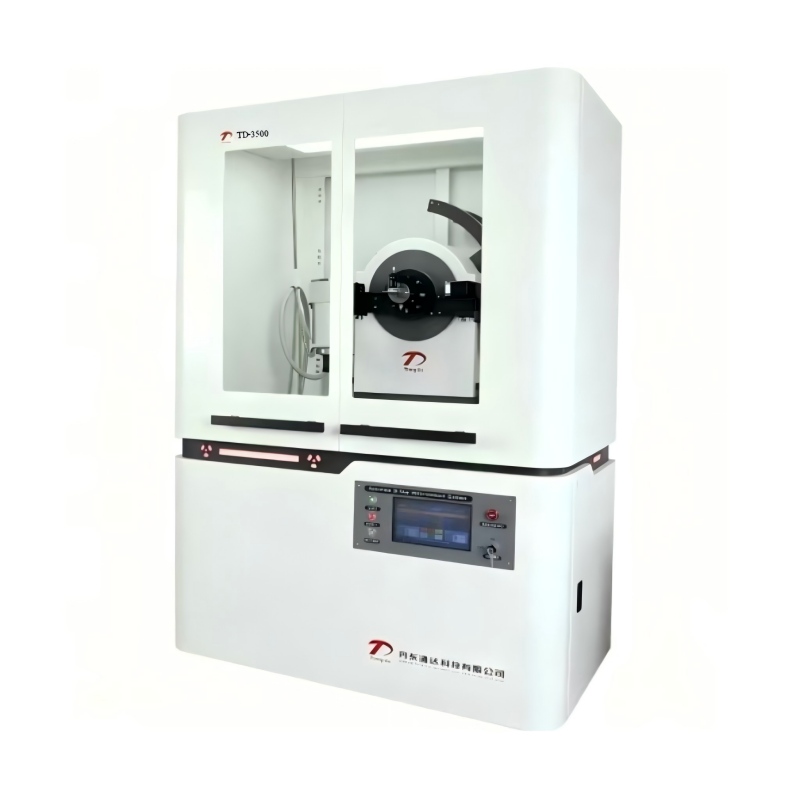
An X-ray diffractometer is a precision instrument used for analyzing the crystal structure of materials. During its operation, strict adherence to certain precautions is necessary to ensure the normal functioning of the instrument, the accuracy of experimental results, and the safety of the operator. The following outlines the key considerations for using an X-ray diffractometer:
Instrument Installation and Environmental Requirements:
Ensure the X-ray diffractometer is installed on a stable, level workbench to avoid vibrations that could affect the instrument.
The instrument should be placed in a dry, clean, and vibration-free environment to prevent moisture and dust from impacting its performance.
Maintain indoor temperature and humidity within the specified working range of the instrument, typically 20–25°C and ≤70% humidity.
Avoid placing the X-ray diffractometer in areas with strong electromagnetic interference to ensure proper operation.
Operator Requirements:
Operators must undergo professional training and be familiar with the working principles, operating procedures, and safety protocols of the X-ray diffractometer.
Operators should possess basic crystallography knowledge to correctly interpret experimental results.
Before operating the instrument, wear appropriate protective gear, such as lab coats, gloves, and masks.
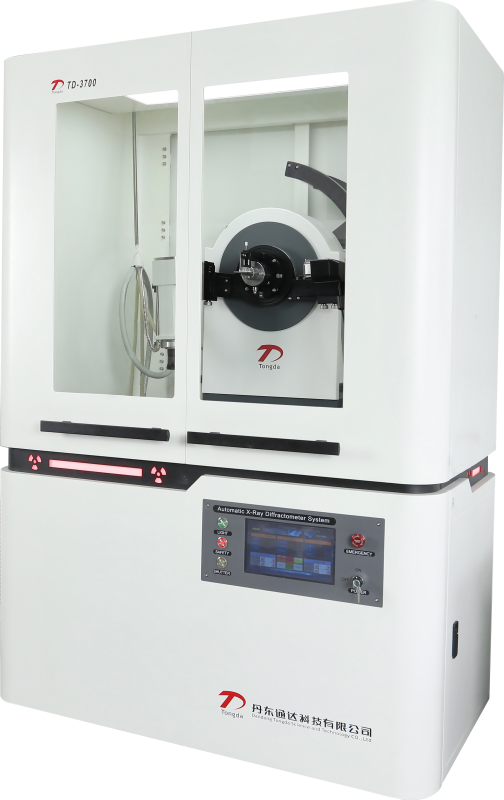
Instrument Startup and Shutdown:
Before startup, inspect all parts of the instrument to ensure they are in good condition. Only proceed with startup after confirming no issues.
After startup, allow the instrument to warm up and stabilize before conducting experiments.
After experiments, follow the correct shutdown sequence to avoid directly cutting off the power supply.
Sample Preparation and Placement:
Samples should be prepared in a form suitable for X-ray diffractometer testing, such as powder or thin films.
Ensure sample purity and uniformity to avoid impurities affecting experimental results.
When placing the sample on the sample holder, ensure it is flat and securely fixed to prevent movement during testing.
Instrument Parameter Settings:
Set appropriate testing parameters according to experimental needs, such as scan range, scan speed, and step size.
Avoid setting excessively high voltage and current to prevent damage to the instrument.
When adjusting parameters, make changes gradually to avoid rapid fluctuations that could destabilize the instrument.
Safety Precautions:
Strictly adhere to safety protocols during operation to avoid direct exposure to X-rays.
Maintain a safe distance from the instrument while it is in operation and avoid prolonged stays nearby.
Regularly inspect the instrument’s safety protection devices to ensure they are functioning properly.
Data Processing and Storage:
Experimental data should be saved promptly to prevent data loss.
Use appropriate software and methods for data processing to ensure accuracy and reliability.
Maintain complete and clear experimental records for future reference and analysis.
Instrument Maintenance and Care:
Regularly clean and maintain the X-ray diffractometer to ensure its stability and accuracy.
Periodically inspect and replace consumable components, such as X-ray tubes and detectors.
If abnormalities occur during operation, immediately stop the experiment and troubleshoot the issue promptly.