


- Home
- >
News

Tongda Tech attracts talent by creating a vibrant "home & playground" workplace. With recreational facilities and team activities, it fosters relaxation, teamwork and innovation. This balance boosts satisfaction, reduces turnover and drives shared growth.
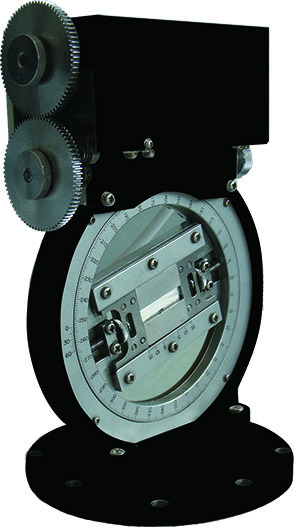
Using X-ray diffraction (transmission) method to test the unique crystal structure of fibers. Test the orientation of the sample based on data such as fiber texture and half peak width.
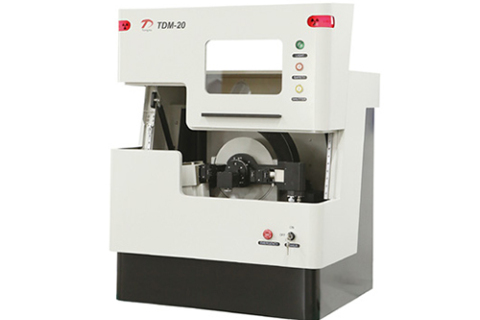
The use of hybrid pixel detector can achieve the best data quality while ensuring low power consumption and low cooling. This detector combines the key technologies of single photon counting and hybrid pixels, and is applied in various fields such as synchrotron radiation and conventional laboratory light sources, effectively eliminating the interference of readout noise and dark current. Hybrid pixel technology can directly detect X-rays, making it easier to distinguish signals, and detector can efficiently provide high-quality data.
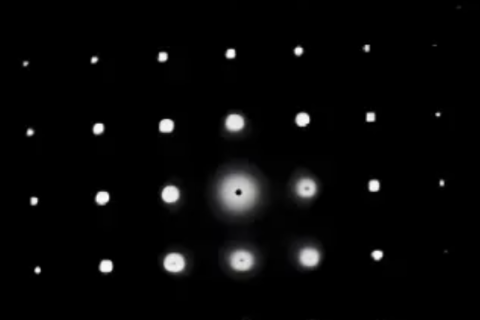
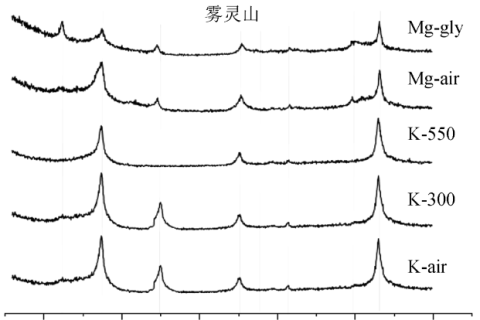
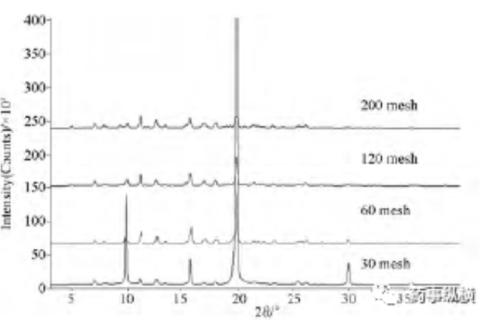
The X-ray diffraction pattern serves as the most reliable foundation for determining polycrystalline patterns, and the X-ray diffraction pattern is frequently regarded as the "fingerprint" of crystalline patterns.
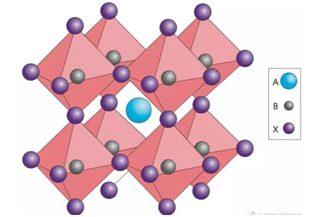
The crystal structure of the perovskite films modified by ionic liquid (ILs) BMIMAc under various annealing durations was characterized by X-ray diffraction.
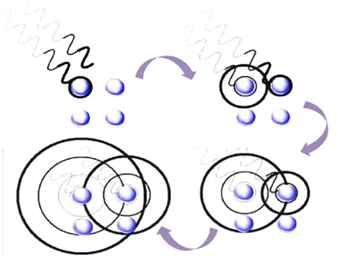
X-ray diffraction is a fast, accurate and efficient non-destructive testing technique for materials. As a means of characterizing the crystal structure and its change rule, it is widely used in many fields such as biology, medicine, ceramics and so on.
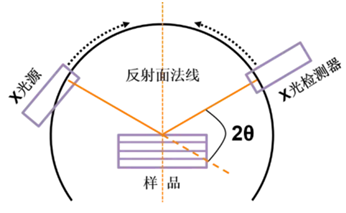
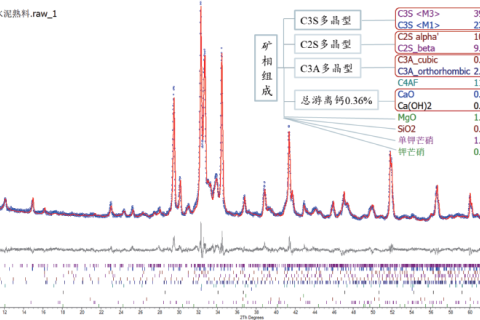
The properties of materials are often determined by their phase composition, and XRD is widely used as one of the main means of phase analysis.
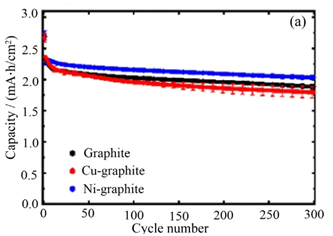
The degree of graphitization refers to how closely the crystal structure of the graphite material resembles perfect graphite after rearranging the amorphous carbon structure.