



How to Properly Maintain a Rotating Sample Stage
2026-02-25 11:21The rotating sample stage is a critical component in many scientific instruments and industrial equipment, allowing for precise rotation of samples during measurement or processing. To ensure that the rotating sample stage maintains its performance and precision over the long term, proper maintenance is essential. Below are some key maintenance practices:
Regular Cleaning:
Use a clean, soft cloth to gently wipe the surface of the sample stage, removing dust, oil, and other contaminants.
For stubborn stains, an appropriate amount of alcohol or a specialized cleaning agent can be used, taking care not to damage the surface coating or material of the sample stage.
During cleaning, avoid allowing liquids to seep into the internal mechanical structures of the sample stage to prevent damage.
Lubrication Maintenance:
Regularly inspect the rotating components of the sample stage, such as bearings and gears, to ensure smooth operation.
Add an appropriate amount of lubricating oil or grease as needed to reduce friction and wear, thereby extending the service life of the components.
Choose a lubricant suitable for the material and working environment of the sample stage, and follow the manufacturer's instructions for use.
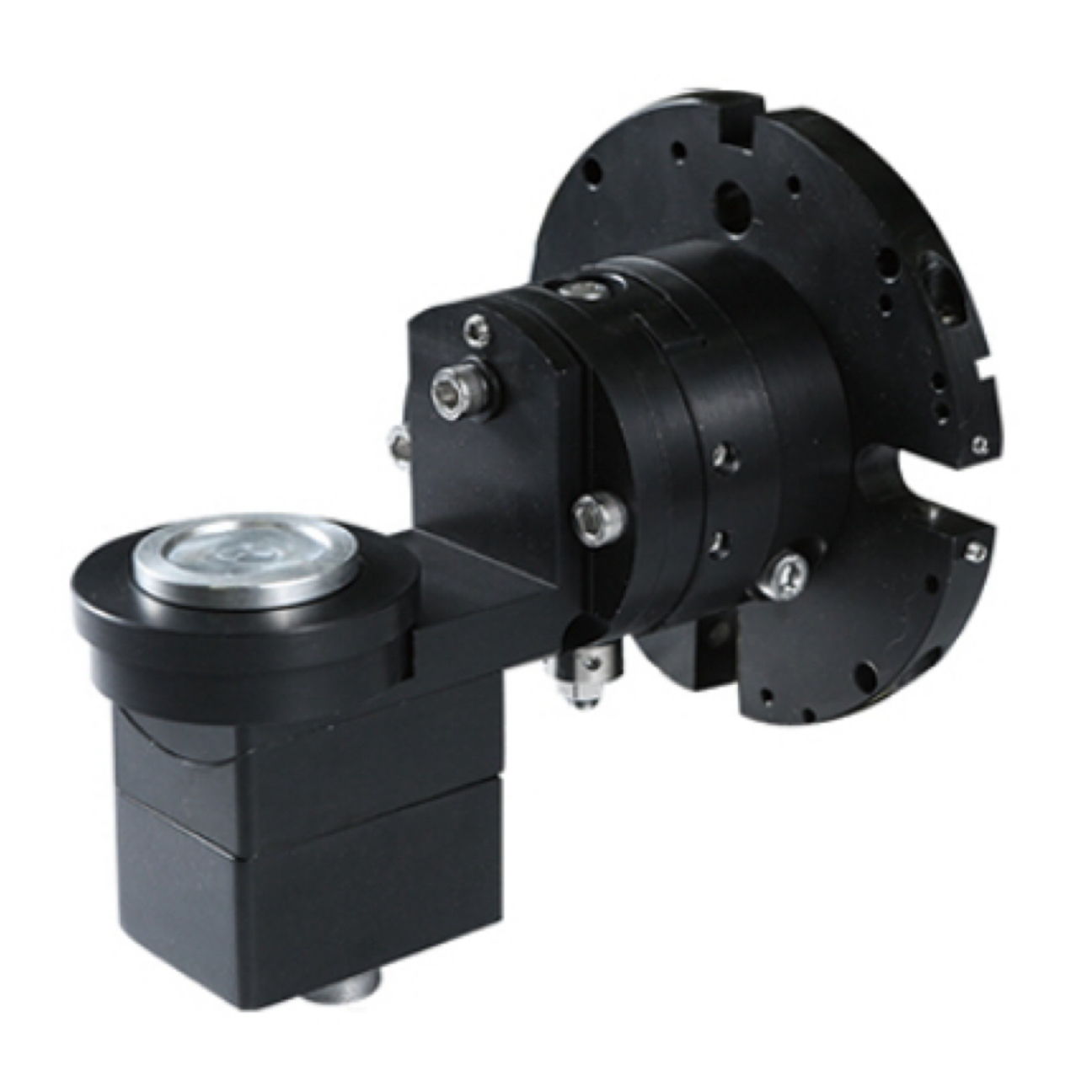
Tightening and Adjustment:
Periodically check the fasteners of the sample stage, such as screws and nuts, to ensure they are securely tightened.
If any fasteners are found to be loose or damaged, tighten or replace them promptly.
For components that require adjustment, such as rotation angle or height, follow the equipment manual or professional guidance.
Corrosion Prevention:
If the sample stage is exposed to humid or corrosive environments for extended periods, take anti-corrosion measures, such as applying rust-proof oil or using corrosion-resistant materials.
Regularly check the surface coating or plating of the sample stage for damage and repair or replace it as needed.
Avoid Overloading and Impact:
When using the sample stage, avoid exceeding its load capacity to prevent damage or deformation.
Handle samples with care to avoid impact or collision with the sample stage.
During high-precision measurements or processing, ensure the sample stage is stable and free from vibration interference.
Storage and Transportation:
When the sample stage is not in use, store it in a dry, well-ventilated area, avoiding direct sunlight and humid environments.
If the sample stage needs to be stored for an extended period or transported, take appropriate protective measures, such as using a dust cover or foam padding.
During transportation, ensure the sample stage is securely fastened to avoid vibration and impact.
Regular Inspection and Maintenance:
Establish a regular inspection and maintenance schedule to thoroughly examine the sample stage and perform necessary maintenance tasks.
Record the results of each inspection and maintenance to identify and address issues promptly.
If any unresolved problems or malfunctions are detected, contact a professional promptly for repair or replacement.