



What aspects affect the efficiency of an X-ray crystal analyzer?
2026-02-24 08:58X-ray Crystal Analyzer is a high-precision scientific instrument whose accuracy and reliability are crucial for fields such as materials science, geology, and biology. However, its performance and precision may be affected by various factors. A detailed description of these influencing factors is provided below:
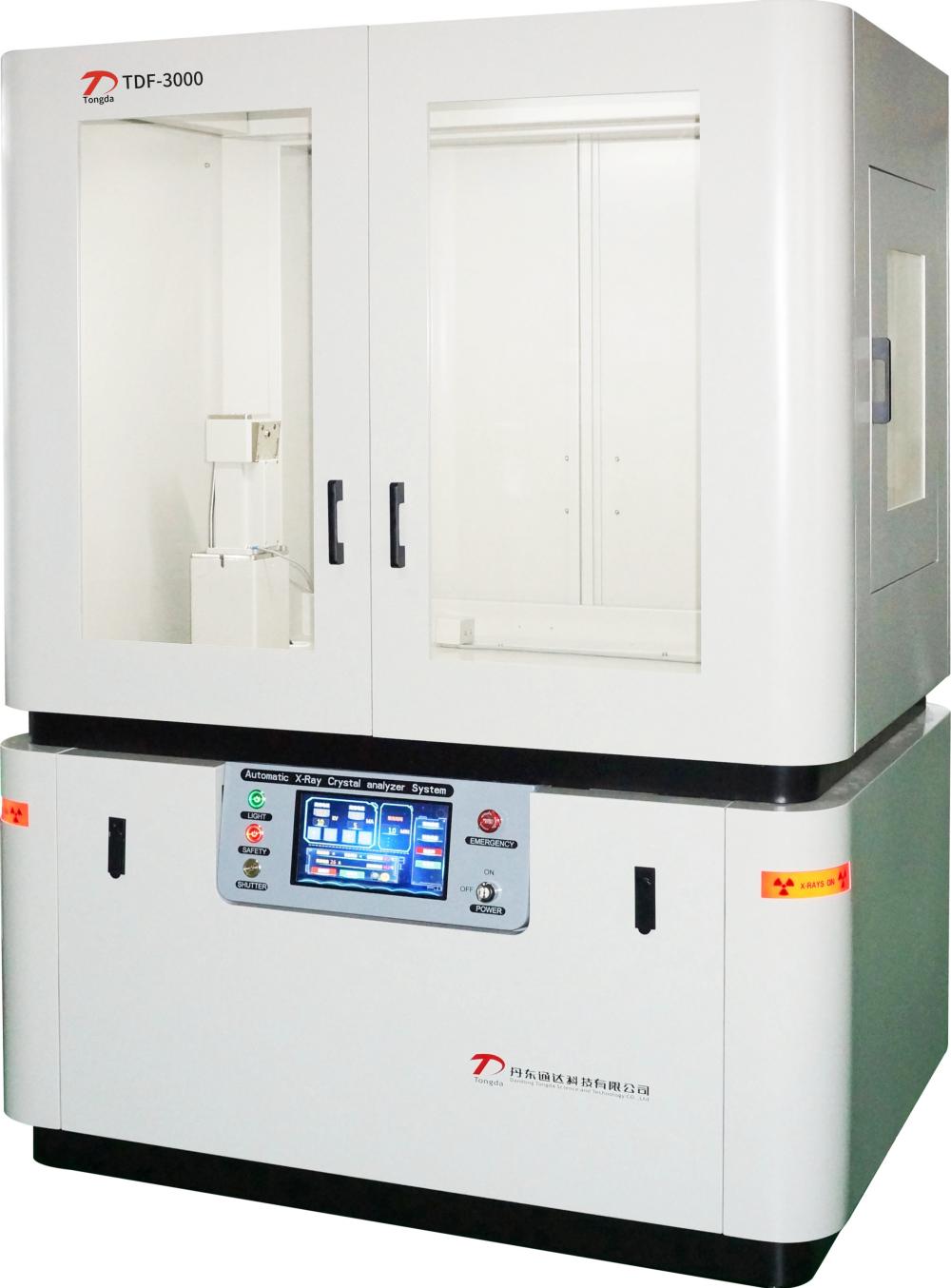
I. Instrument Factors
X-ray Tube Performance
Radiation Intensity: The radiation intensity of the X-ray tube directly affects the speed and accuracy of the analysis. Insufficient radiation intensity may lead to a reduced signal-to-noise ratio, impacting the accuracy of data analysis.
Focal Spot Size: A smaller focal spot size contributes to achieving higher resolution but may compromise some intensity. Therefore, an appropriate focal spot size should be selected based on specific applications.
Energy Stability: The energy stability of X-rays is critical for analytical results. Energy fluctuations may cause peak shifts or peak shape distortions, affecting the accuracy of qualitative and quantitative analyses.
Detector Performance
Sensitivity: High-sensitivity detectors can detect weaker signals, enhancing the sensitivity and accuracy of the analysis.
Resolution: The resolution of the detector determines its ability to distinguish adjacent peaks. High-resolution detectors contribute to obtaining more accurate structural information.
Noise Level: A low noise level is key to ensuring analytical accuracy. Detector noise may originate from electronic components, environmental factors, etc., and needs to be minimized through optimized design and technical measures.
Sample Stage and Sample Rotation
Sample Stage Precision: The flatness and rotational precision of the sample stage significantly impact analytical results. Instability in the sample stage may cause sample position shifts, affecting diffraction angles and peak shapes.
Sample Rotation: During measurement, sample rotation can enhance sampling uniformity and reduce errors caused by sample inhomogeneity. However, excessive rotation may damage the sample or lead to poor data reproducibility.
II. Sample Factors
Crystal Structure
Unit Cell Parameters: The accuracy of unit cell parameters directly influences the positions and intensities of diffraction peaks. Errors in unit cell parameters may lead to peak shifts or peak shape distortions.
Crystal Symmetry: The symmetry of the crystal affects the distribution and intensity of diffraction peaks. Crystals with high symmetry typically exhibit simpler diffraction patterns, making them easier to analyze.
Crystal Defects: Defects in the crystal, such as vacancies and dislocations, can cause broadening or weakening of diffraction peaks, affecting analytical accuracy.
Sample Preparation
Particle Size and Uniformity: The particle size and uniformity of the sample significantly impact analytical results. Excessive particle size or non-uniformity may lead to peak broadening or asymmetry.
Surface Flatness: The flatness of the sample surface is critical for diffraction quality. Surface irregularities may cause peak splitting or broadening.
Hygroscopicity: Some samples are hygroscopic and may absorb a certain amount of moisture from the air, altering their properties and affecting analytical results.
III. Environmental Factors
Temperature and Humidity
Temperature: Temperature variations may cause the sample to expand or contract, affecting unit cell parameters and diffraction peak positions. Additionally, temperature changes may influence the performance of the X-ray tube and the sensitivity of the detector.
Humidity: High humidity environments may cause the sample to absorb moisture, altering its physical and chemical properties and thus affecting analytical results. Moreover, humidity may impact the performance and lifespan of the instrument.
External Radiation and Magnetic Fields
External Radiation: External radiation from other sources may interfere with the measurement signals of the X-ray crystal analyzer, leading to distorted analytical results. Therefore, it is essential to avoid interference from external radiation during measurements.
Magnetic Fields: Magnetic fields may affect the trajectory of electrons and the performance of the detector, thereby interfering with analytical results. Consequently, the presence of strong magnetic fields around the instrument should be avoided.
The analytical results of an X-ray crystal analyzer are collectively influenced by instrument factors, sample factors, and environmental factors. To obtain accurate and reliable analytical results, it is necessary to comprehensively consider these factors and take appropriate measures to minimize their impact.