



How to Optimize the Use of a Single Crystal Diffractometer to Improve Data Quality
2026-03-30 14:22To optimize the use of a single crystal diffractometer and enhance data quality, considerations and operations can be carried out from the following aspects:
I. Ensuring Crystal Quality
Crystal quality is the foundation of single crystal diffraction testing. Ensure that the crystal is regular, free of obvious cracks, and has a size of no less than 20 microns.
Select a complete single crystal for testing, avoiding twinned crystals or those with significant defects.
The dimensions of the crystal in three directions should be as similar as possible to minimize differences in diffraction absorption.
II. Selecting the Appropriate Target Material
The choice of target material affects the testing outcome and data accuracy. Generally, crystals containing metal atoms should be tested using a molybdenum target, while pure organic compounds may be better suited for a copper target.
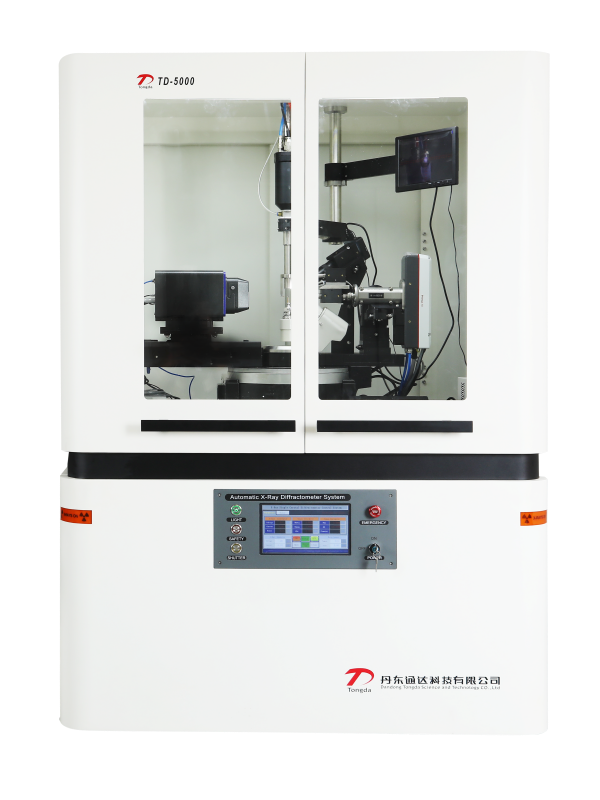
III. Optimizing Experimental Conditions
Prolonged exposure to X-rays may damage the crystal; therefore, low-temperature techniques or optimized experimental conditions should be employed to minimize damage.
Ensure accurate instrument calibration, stable sample mounting, and complete data collection to guarantee data reliability.
Maintain a constant indoor temperature of approximately 20°C and humidity below 45% to ensure the stability of both the instrument and the sample.
IV. Adjusting Data Collection Strategies
Tailor the data collection strategy based on the crystal's symmetry and diffraction power to achieve optimal data quality.
Use appropriate scan angles and step sizes to ensure the completeness and accuracy of data collection.
For lower-quality crystals, larger scan steps may be used to reduce data loss.
V. Data Processing and Analysis
Once diffraction data are collected, they should be backed up immediately to prevent loss or damage.
During data processing, employ suitable algorithms and software to reduce noise and errors, thereby improving data quality.
Carefully analyze the intensity, shape, and width of peaks to obtain additional information about the crystal structure.
Obtain a more accurate crystal structure model through structure solution and refinement.
VI. Safety Operating Procedures
Strict safety operating procedures must be followed when operating an X-ray single crystal diffractometer.
Only trained personnel are permitted to operate the instrument to avoid equipment damage or compromised data quality due to improper operation.

VII. Results and Validation
Validate the solved crystal structure through multiple methods, including geometric constraint checks and electron density map analysis.
Verify the accuracy and reliability of the solved structure by comparison with known structures.
Optimizing the use of a single crystal diffractometer to improve data quality requires attention to multiple aspects, including ensuring crystal quality, selecting the appropriate target material, optimizing experimental conditions, adjusting data collection strategies, data processing and analysis, adhering to safety operating procedures, and validating results. The implementation of these measures will help enhance the data quality of single crystal diffraction tests, providing a solid theoretical foundation for research and development in related disciplines.