



Common Issues Encountered During Operation of 2D X-Ray Diffractometers
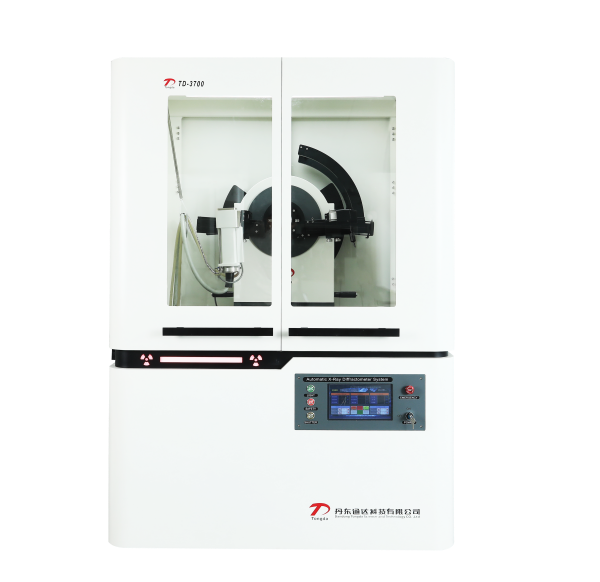
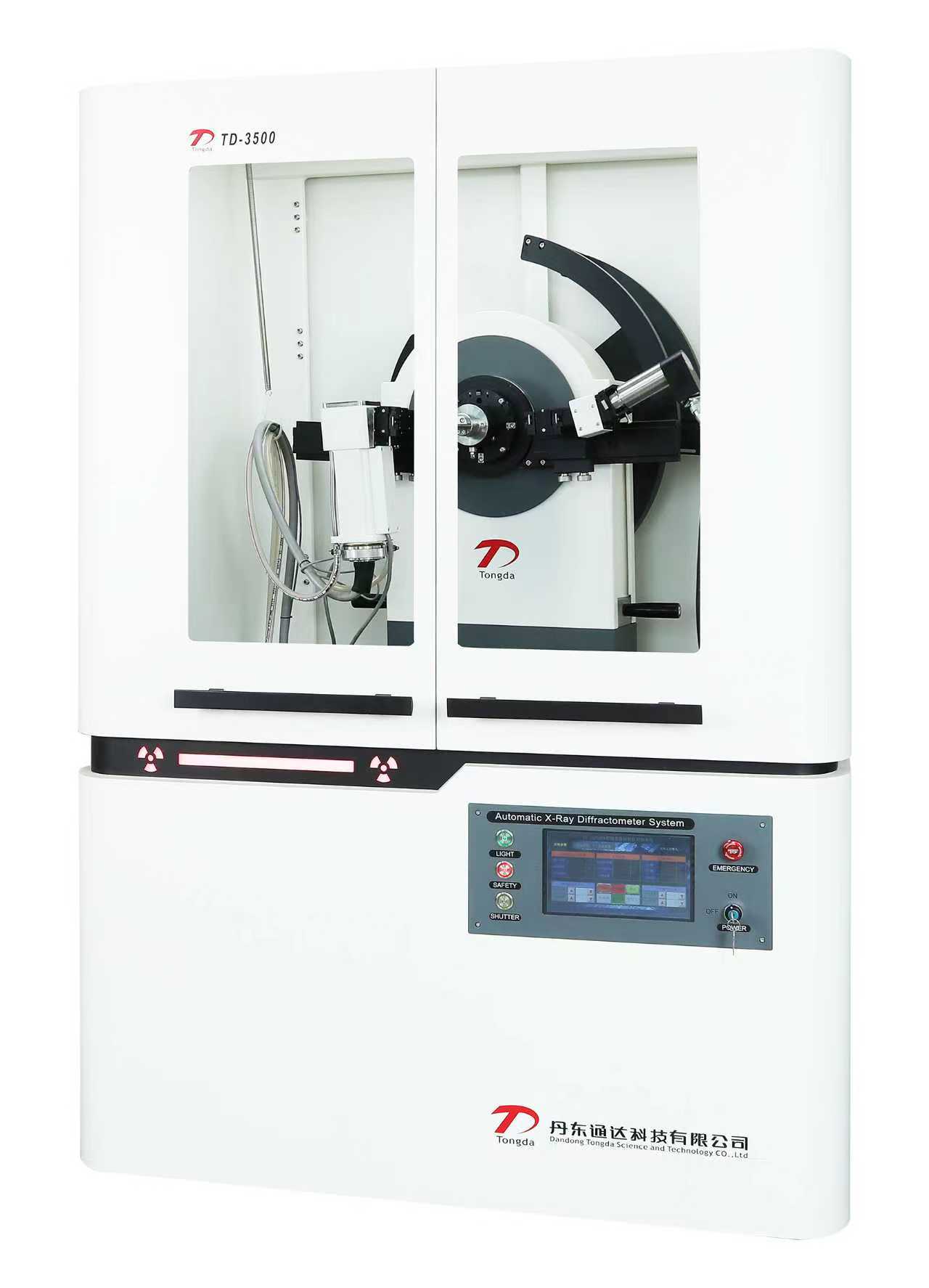
2026-04-01 08:58A 2D X-ray diffractometeris an important tool for analyzing the crystal structure and orientation of materials. During operation, several common issues may arise that can affect the accuracy and reliability of experimental results. The following is a description of these common operational issues:
1. Sample Preparation Issues
An uneven sample surface or the presence of impurities can lead to unclear diffraction peak shapes or spurious signals. Therefore, it is necessary to ensure the sample surface is flat, clean, and free from introduced impurities.
Non-uniform sample thickness can also affect diffraction results. Samples that are too thick or too thin may result in insufficient or excessively high diffraction intensity, thereby affecting data analysis.
2. Instrument Calibration Issues
2D X-ray diffractometers require regular calibration to ensure the accuracy of measurement results. If the instrument is not calibrated or is inaccurately calibrated, errors in parameters such as diffraction angle and intensity may occur.
The calibration process typically involves using standard reference materials for comparison and adjusting instrument parameters to match the known diffraction data of these standards.
3. Operational Setup Issues
Improper selection of the diffraction angle range may fail to cover the diffraction peaks of interest, leading to the omission of important information. The angle range should be reasonably set based on the sample's characteristics and the expected positions of diffraction peaks.
The choice of scan speed is also important. An excessively fast scan speed may increase signal noise, while an overly slow scan speed wastes time and resources. Scan speed and signal quality should be balanced according to experimental requirements and instrument capabilities.
4. Data Processing Issues
Background subtraction is a crucial step in processing diffraction data. Inaccurate background subtraction can lead to incorrect estimation of diffraction peak intensities. Common background subtraction methods include linear subtraction and polynomial fitting.
Peak fitting is another key step in data processing. Fitting allows for the determination of parameters such as peak position, height, and width. Improper selection of fitting methods or unreasonable parameter settings can result in fitting results that deviate from the actual values.
5. Instrument Maintenance Issues
Prolonged use may lead to component wear and aging in 2D X-ray diffractometers, which can affect instrument performance and stability. Therefore, regular maintenance and servicing, such as replacing worn parts and cleaning the optical path, are necessary.
During operation, care should be taken to avoid impact or vibration that could affect the instrument's precision and lifespan.
6. Environmental Factors
Fluctuations in temperature and humidity can also affect the performance of 2D X-ray diffractometers. For example, temperature changes may cause thermal expansion or contraction of the instrument, affecting measurement results, while high humidity may lead to moisture-related issues such as short circuits in electronic components.
Therefore, it is important to maintain a stable laboratory environment and avoid significant fluctuations in temperature and humidity when using the instrument.
7. Software Operation Issues
2D X-ray diffractometers are typically equipped with specialized software for instrument control and data processing. During software use, challenges such as unfamiliarity with operations or incomplete understanding of software functions may arise.
To address these issues, users can consult the software manual or online help documentation to understand the functions and operational procedures. Additionally, participating in relevant training courses or workshops can help improve software operation skills.