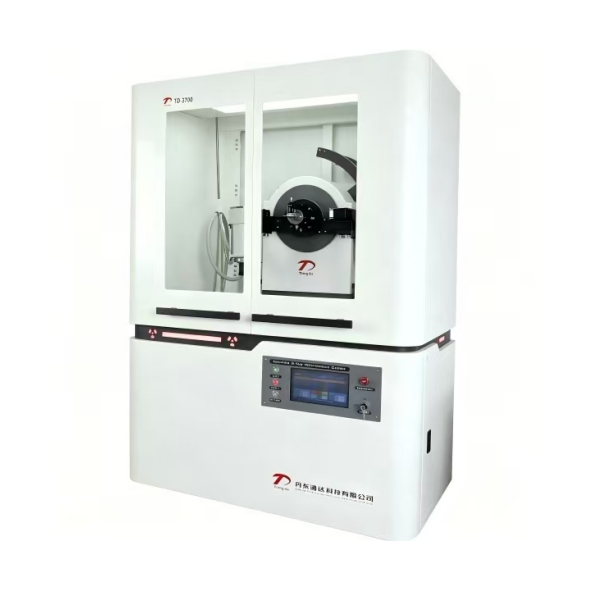
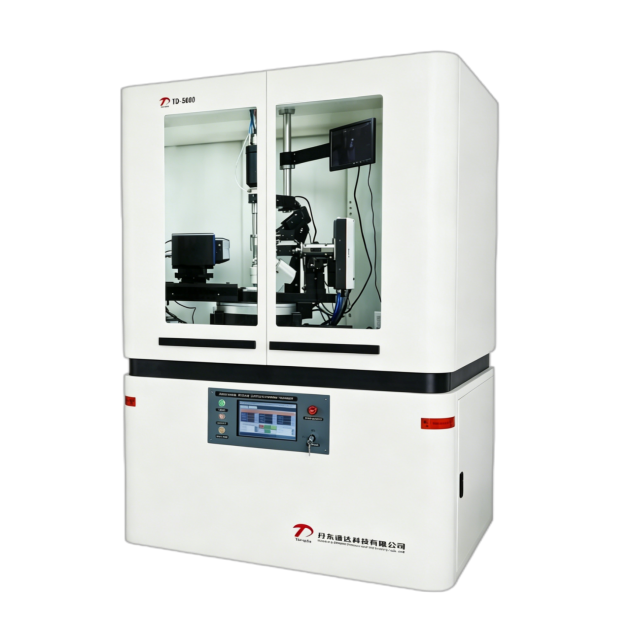
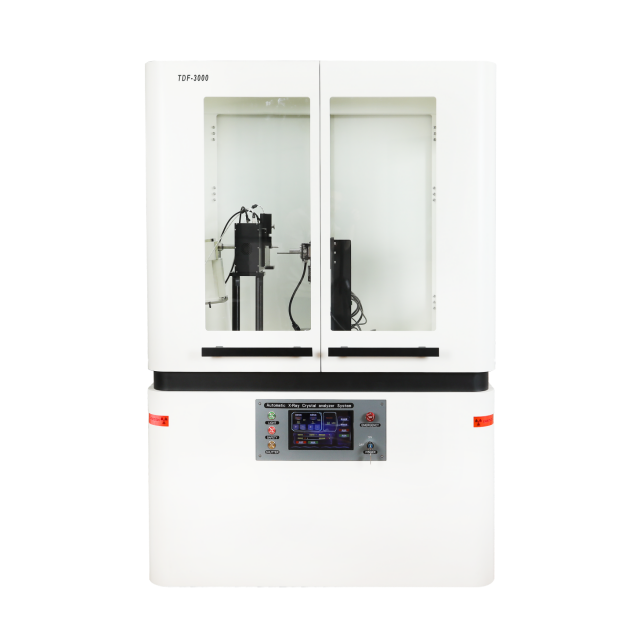
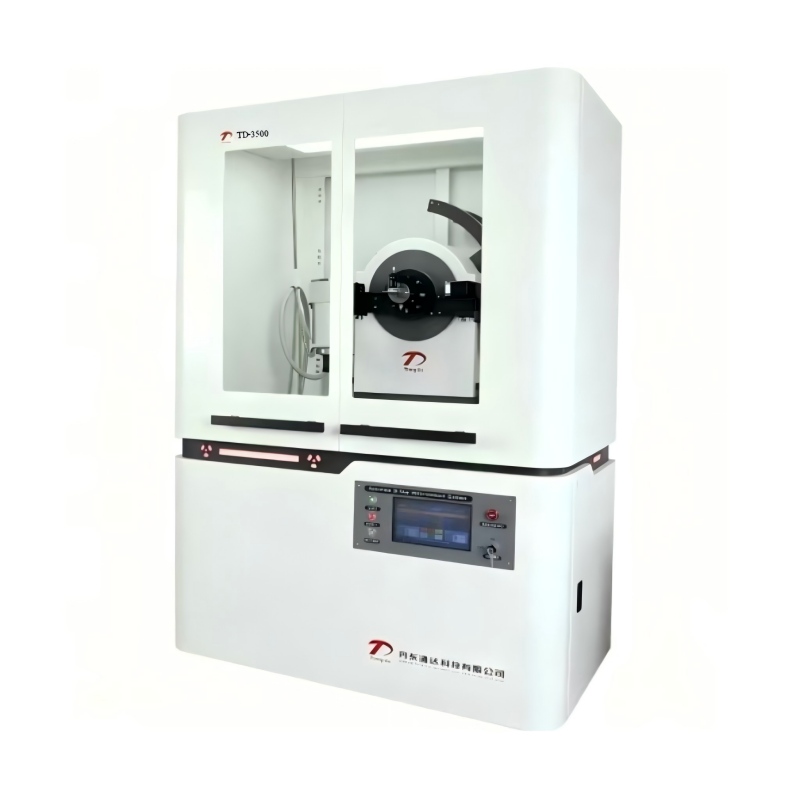
Dandong Tongda Technology specializes in the development of small-angle diffraction attachments, which are dedicated components for X-ray diffractometers. Covering a diffraction angle range of 0° to 5°, these attachments enable precise measurement of nanoscale multilayer film thickness and support structural analysis of nanomaterials. Designed for seamless compatibility with TD-3500, TD-3700, and other series diffractometers, they are widely used for nanoscale material characterization in fields such as materials science, chemical engineering, geology, and mineralogy. Incorporating imported PLC control technology and modular design, these attachments significantly enhance equipment automation and operational stability. The TD series instruments now meet international standards and have been successfully exported to countries including the United States and Azerbaijan, providing crucial technical support for global nanomaterial research.
EmailMore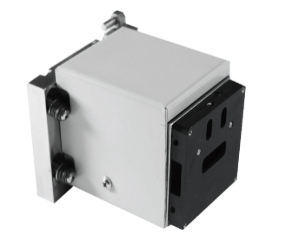
The Small angle diffractometer accessories are important accessories used in X-ray diffractometers. Small angle diffractometer accessories enable X-ray diffraction measurements to be taken within a very small angle range, from 0°to5°, for thickness testing of nano multilayer films. Plays an important role in fields such as materials science, physics, chemistry, and biology. Common types and characteristics: Parallel light thin film accessory: This accessory can generate parallel X-ray beams and is suitable for small angle diffraction measurements of thin film samples. It can improve the accuracy and resolution of measurements, reduce measurement errors caused by beam divergence, and better adapt to thin film samples of different thicknesses and properties. Multi functional sample stage: Equipped with small angle diffraction accessories, the multifunctional sample stage can provide various testing environments for samples, such as in-situ heating, cooling, stretching, etc. This makes it more convenient to study the structural changes of materials under different external conditions, and enables real-time observation of the structural response of materials during temperature, stress, and other changes. The Small angle diffractometer accessories play important role in multiple fields such as materials science, physics, chemistry, and biology by achieving small angle diffraction and precise measurement of nano multilayer film thickness, providing researchers with a powerful tool for in-depth exploration of material microstructures and properties.
EmailMore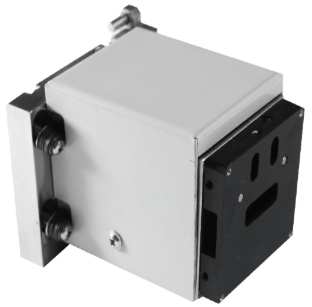
The small angle diffractometer accessories are important accessories used in X-ray diffraction instruments, mainly for measuring the nanoscale parameters of materials. The corresponding accessories can be configured for small angle diffraction, and the angle range from 0°to 5°can be used for thickness testing of nano multilayer films. By measuring the nanoscale parameters of materials, powerful tools have been provided for research in fields such as materials science, biology, and chemistry.
EmailMore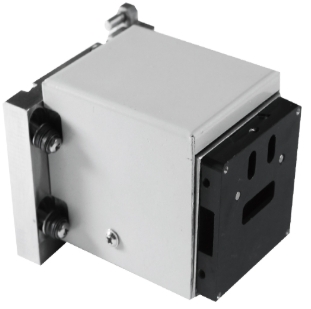
The small angle diffractometer accessories are special device used in X-ray diffraction (XRD) experiments, mainly for measuring diffraction peaks in the low angle range to study the microstructure and properties of materials. The small angle diffractometer accessories are specialized device for X-ray diffractometers that allows for precise diffraction measurements within a lower 2θangle range (typically from 0°to 5°or lower). This technology is of great significance for studying nanostructures, mesoporous materials, multilayer films, and other materials. By configuring corresponding small angle diffractometer accessories, the thickness of nano multilayer films can be accurately measured. Overall, small angle diffractometer accessories are an indispensable and important component of X-ray diffractometers, with broad application prospects in materials science, chemistry, physics, and other fields.
EmailMore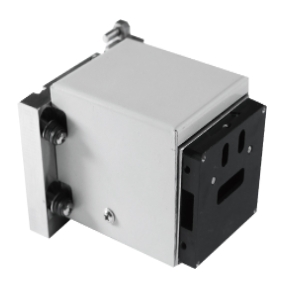
Mating sterile male mosquitoes with wild female mosquitoes can prevent mosquito eggs from hatching or larvae from developing, which can control mosquito populations. The technique of insect sterility was developed by two entomologists in the 1950s. Firstly, pest larvae were treated with radioactive radiation to select sterile male insects. Then, a large number of treated male insects were released and mated with wild female insects, preventing them from producing offspring normally and achieving the goal of controlling pest populations. Researchers successfully eliminated the green headed flies on the island by releasing male flies that were sterilized by irradiation. Another field release experiment was conducted on a 460 square kilometer island, achieving fly purification in just 7 weeks. Afterwards, this technology was widely adopted in many countries and regions around the world, successfully eliminating green headed flies.
EmailMore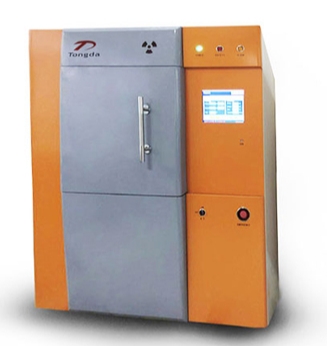
The data collected through low-temperature equipment yields more ideal results. With the help of low-temperature equipment, more advantageous conditions can be provided, which can enable undesirable crystals to obtain ideal results, as well as ideal crystals to obtain more ideal results.
EmailMore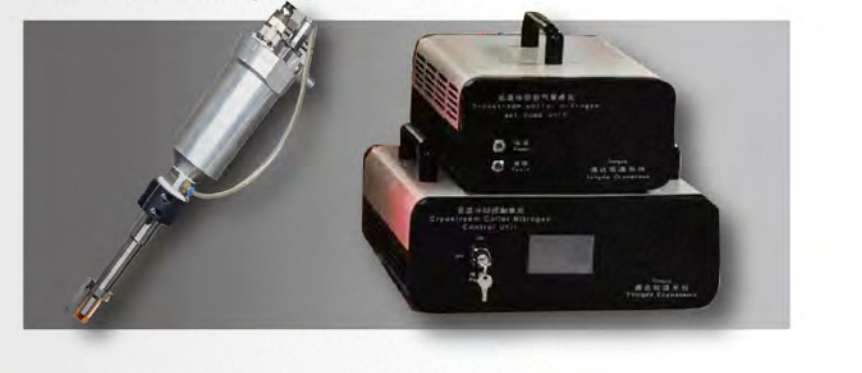
Desktop X-ray diffractometer: mainly used for phase analysis of powders, solids, and similar paste materials. It utilizes the principle of X-ray diffraction to perform qualitative or quantitative analysis on polycrystalline materials such as powder samples and metal samples, as well as crystal structure analysis. It is widely used in industries such as industry, agriculture, national defense, pharmaceuticals, minerals, food safety, petroleum, education, and scientific research.
EmailMore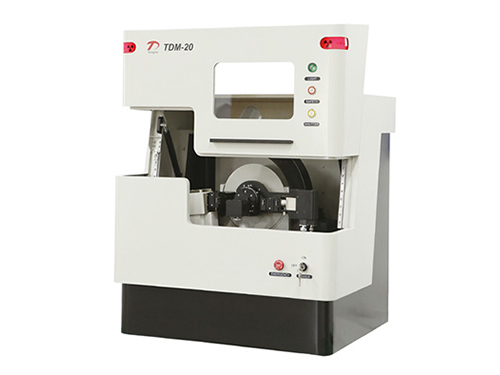
The high-precision multifunctional angle measuring instrument of Tongda Technology can not only measure conventional powder samples, but also test liquid samples, colloidal samples, viscous samples, loose powders, and large solid samples.
EmailMore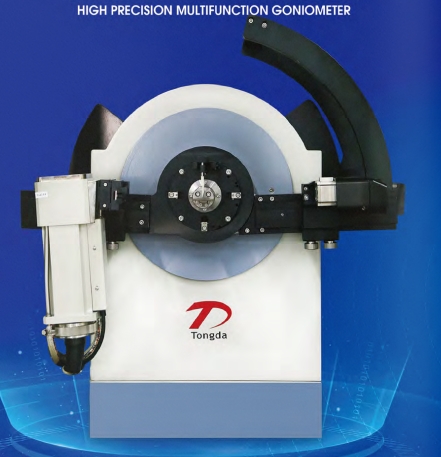
The goniometer is the heart of the X-ray diffractometer, and the TD series X-ray diffractometer has extremely high measurement accuracy
EmailMore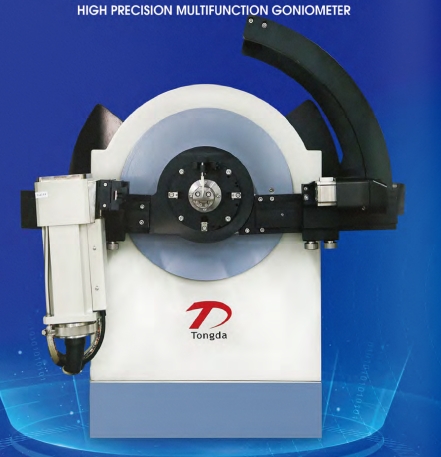
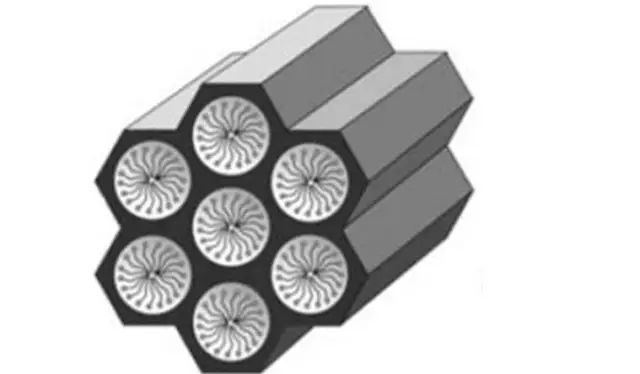
SBA-15 is a mesoporous silicon-based molecular sieve with a highly ordered hexagonal straight pore structure (p6mm), the pore size can vary from 5 to 50 nm, and the pore wall is thicker.
EmailMore