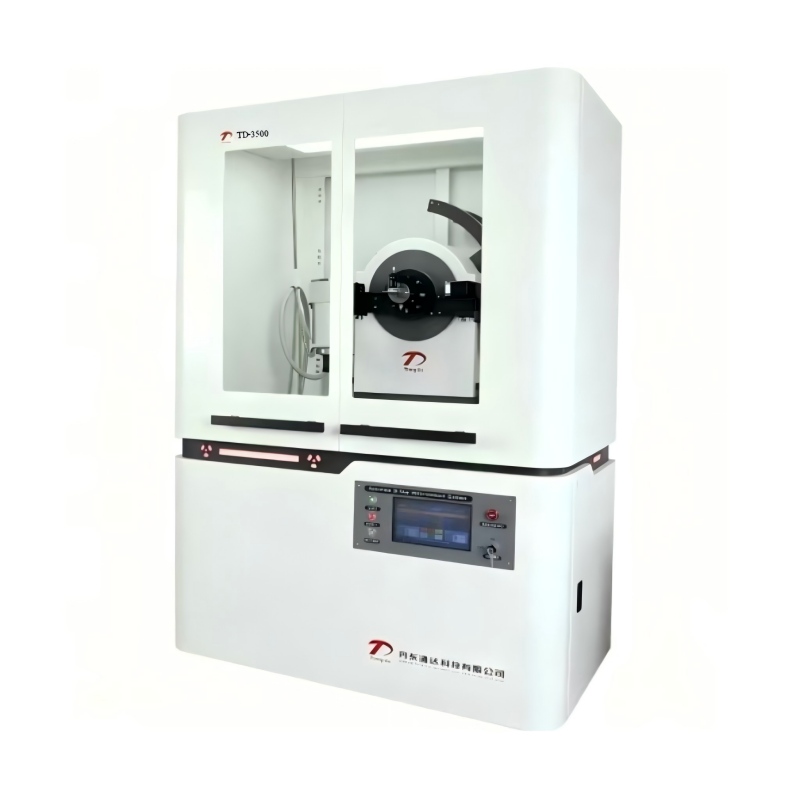
As the demand for lithium batteries continues to grow, their production and safety standards urgently need to be improved, so high-resolution, high-throughput 3D inspection systems are essential.
EmailMore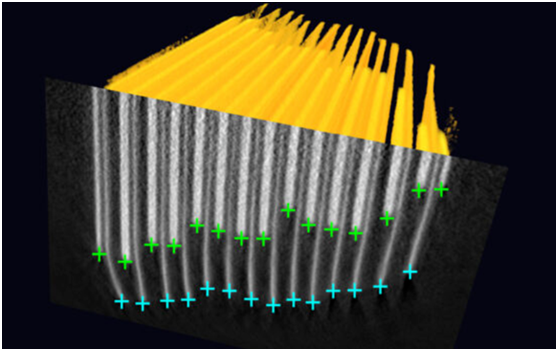
XRD can measure bulk and powder samples, and has different requirements for different sample sizes and properties.
EmailMore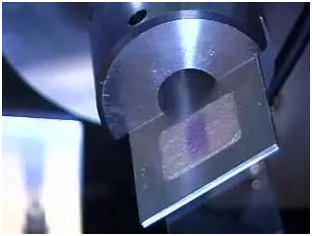
Global X-ray diffractometer (XRD) has developed steadily in recent years, and China is a market with great development prospects.
EmailMore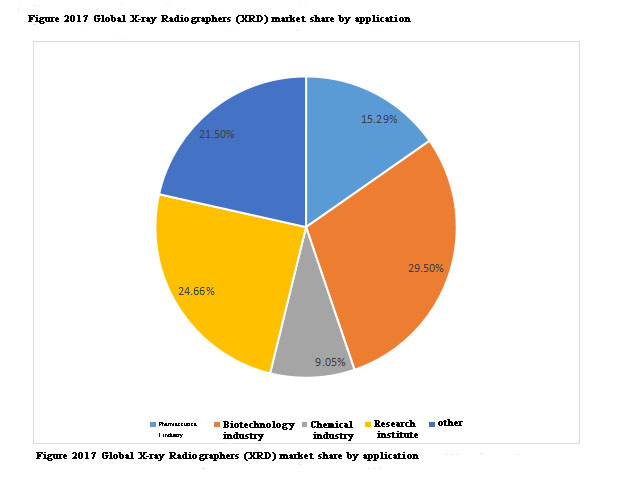
Taking deposition scaling as an example, this paper introduces how to use X-ray diffractometer for qualitative phase and quantitative analysis.
EmailMore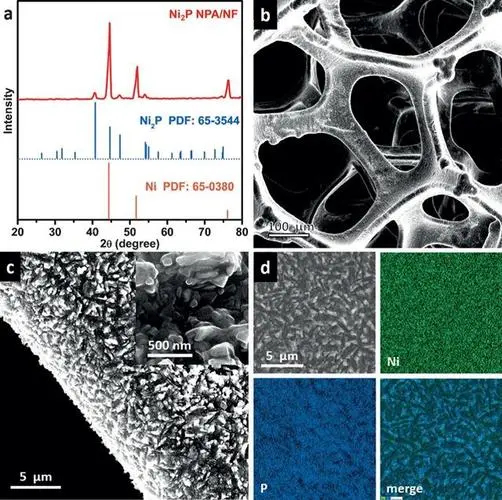
The application of new technologies and new products such as 5G, big data, and artificial intelligence will bring a huge semiconductor market demand, and global semiconductor equipment spending has entered an upward cycle.
EmailMore
In recent years, there has been a growing interest in the measurement of high-pressure biological samples. This is reflected in the development of new techniques for pressure measurement that are different from those implemented by DAC. One of them is the technique of freezing crystals under pressure.
EmailMore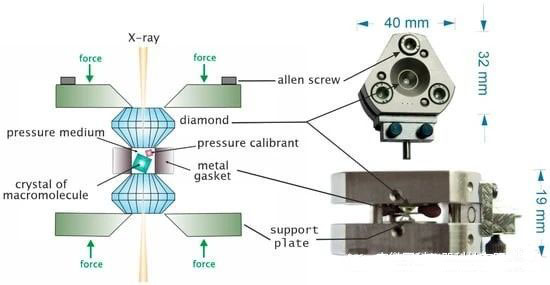
High-resolution XRD (HR-XRD) is a common method for measuring the composition and thickness of compound semiconductors such as SiGe, AlGaAs, InGaAs, etc.
EmailMore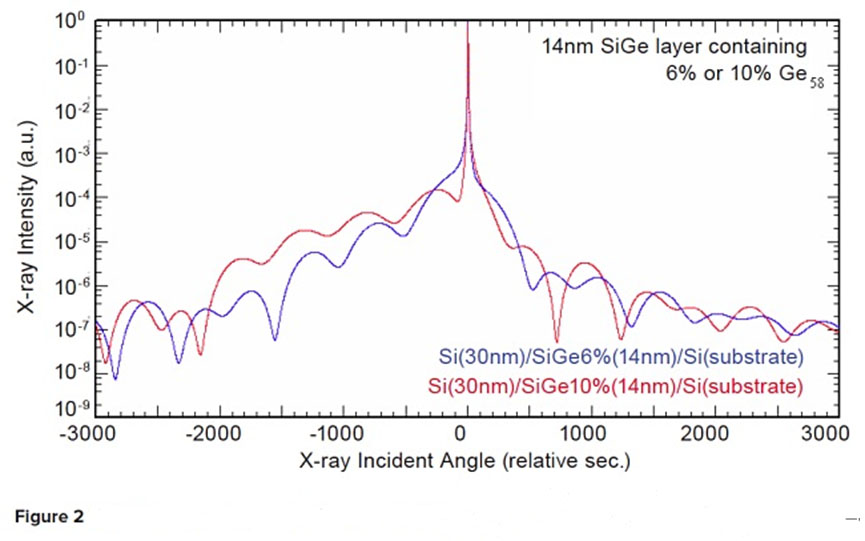
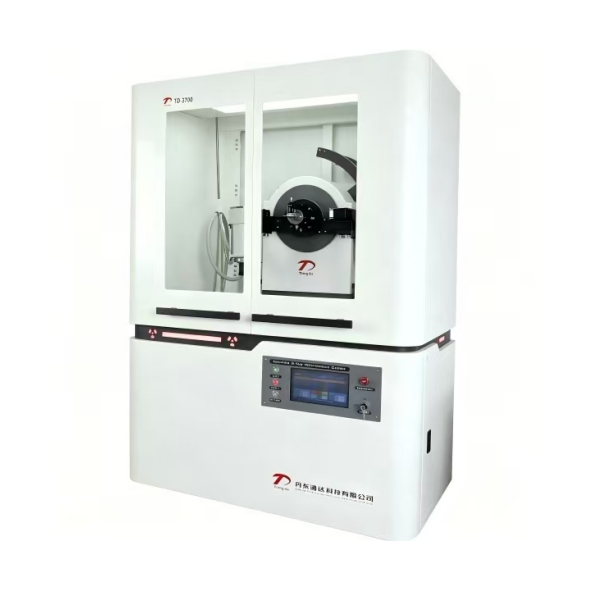
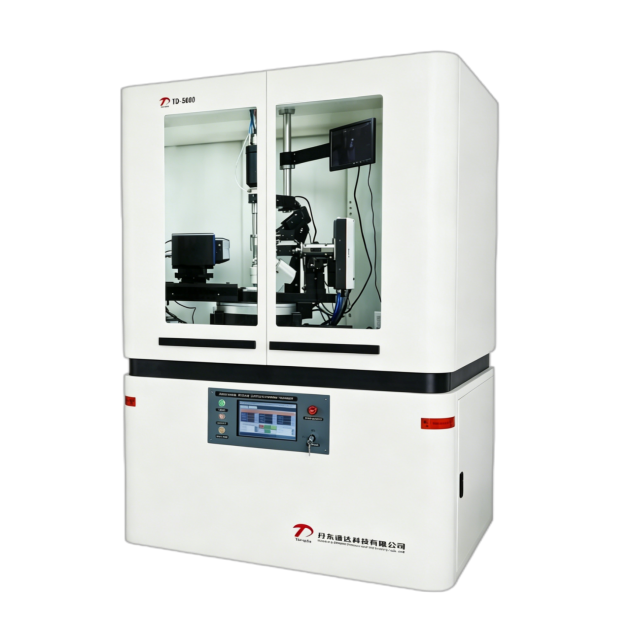
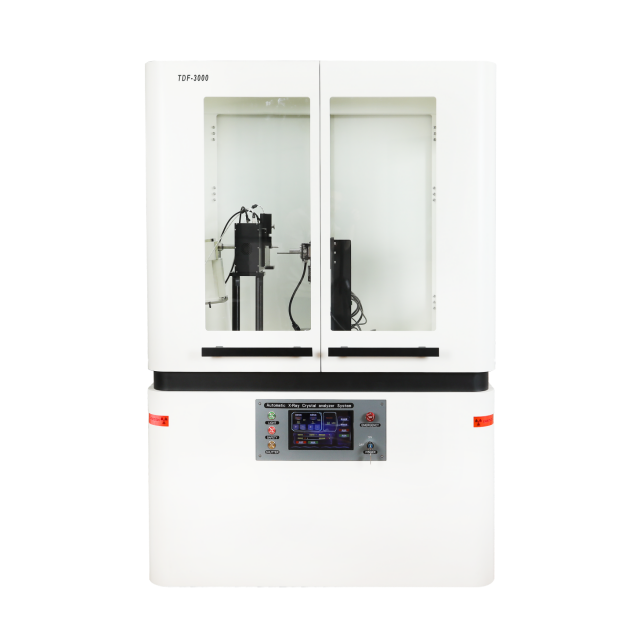
X-ray diffractometer (XRD) can be divided into X-ray powder diffractometer and X-ray single crystal diffractometer, the basic physical principle of the two is the same.
EmailMore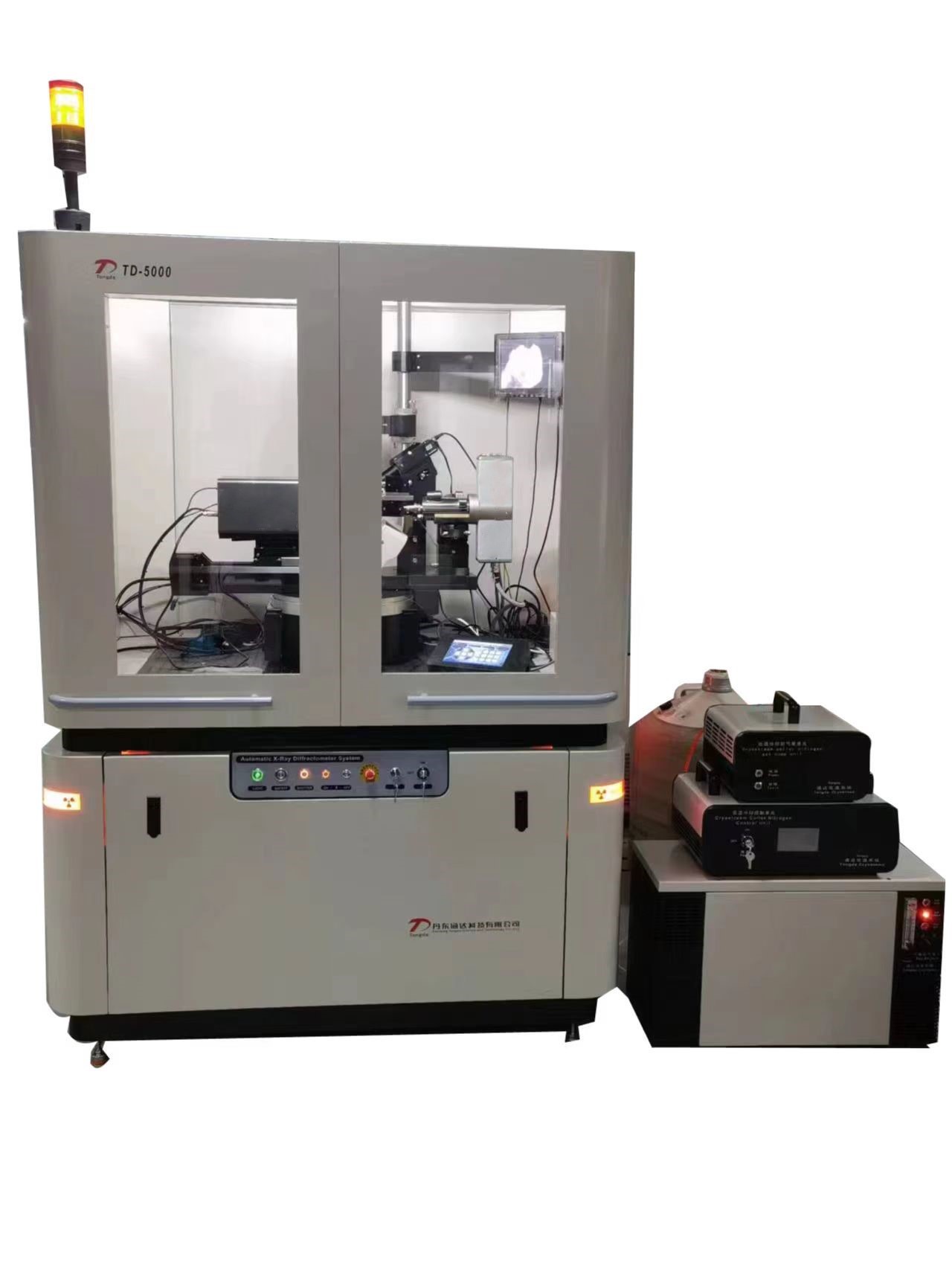
Total reflection X-ray fluorescence (TXRF) is a surface element analysis technique commonly used to analyze particles, residues, and impurities on smooth surfaces.
EmailMore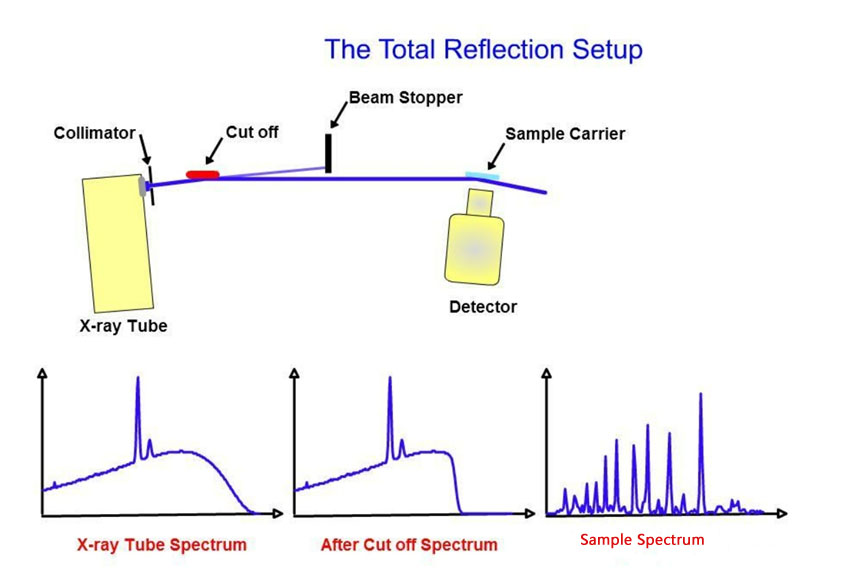
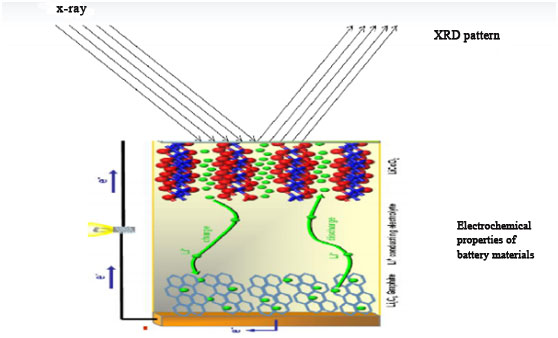
XRD is a means of research which is Diffraction by X-Ray diffraction of a material to analyze its diffraction pattern to obtain information such as the composition of the material, the structure or shape of atoms or molecules inside the material.
EmailMore