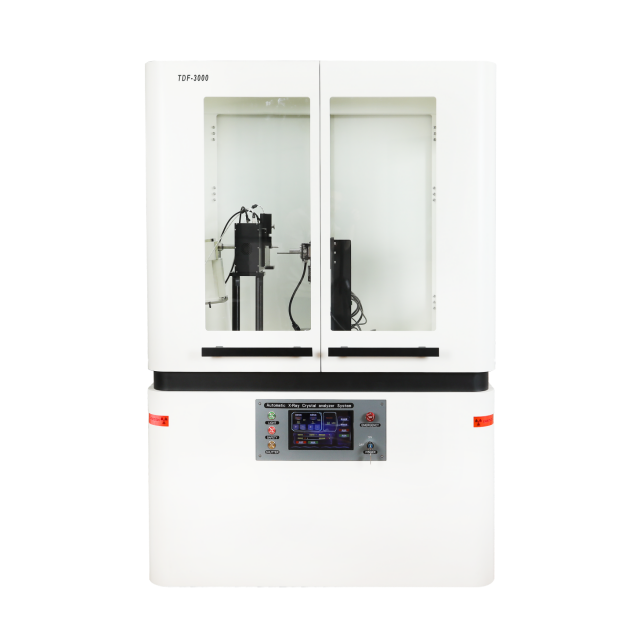
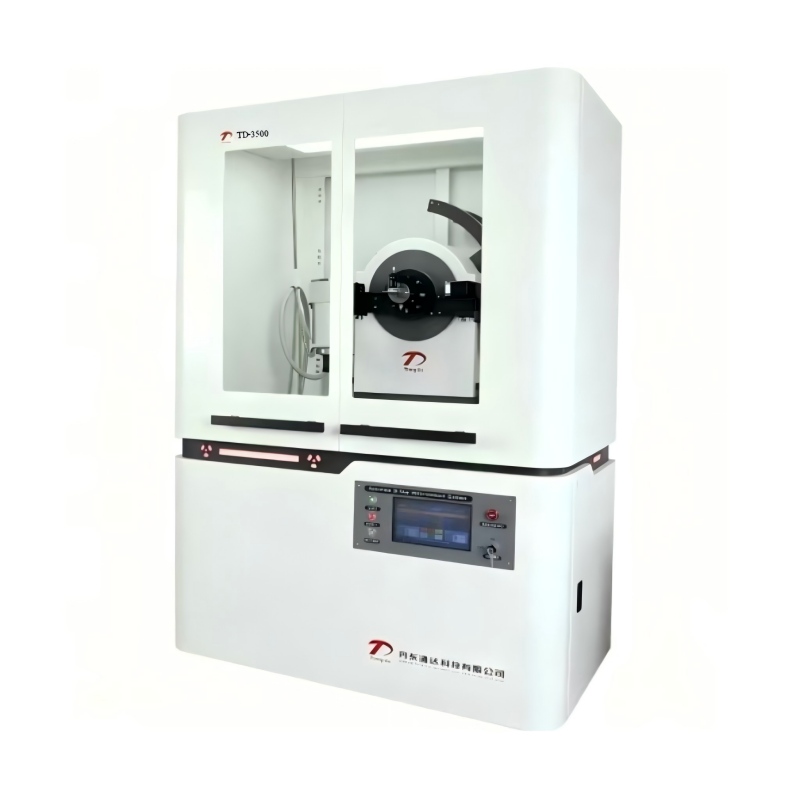
X-ray testing is a non-destructive testing method that does not damage the object itself, and has been widely used in material testing (QC), failure analysis (FA), quality control (QC), quality assurance and reliability (QA/QC), research and development (R&D) and other fields.
EmailMore
Three single point detectors are shared below: proportional counter, scintillation counter, and semiconductor solid state detector.
EmailMore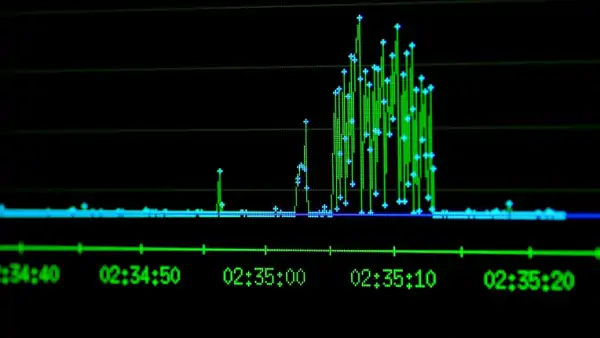
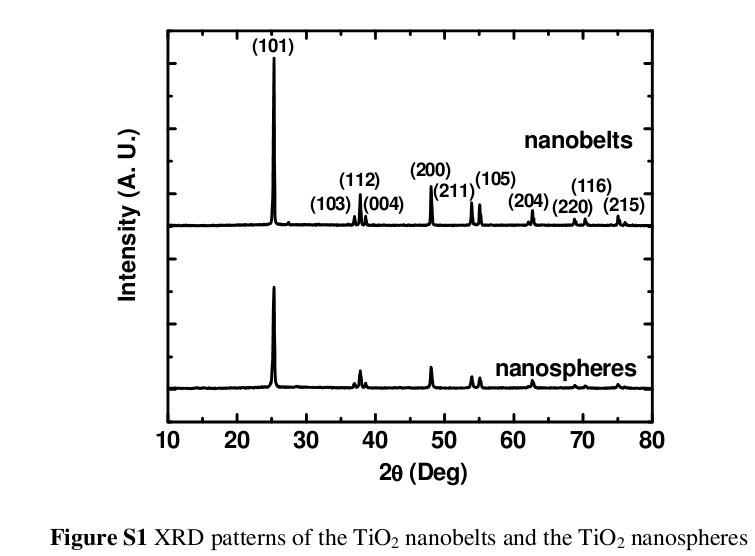
X-ray diffraction, through the X-ray diffraction of a material, the analysis of its diffraction pattern, to obtain the composition of the material, the structure or shape of the atoms or molecules inside the material and other research means.
EmailMore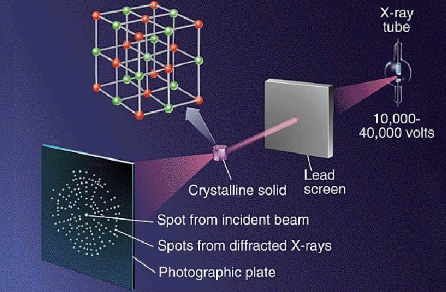
XRF instruments use X-rays to "excite" a material in order to characterize its composition by identifying elements in the sample (qualitative analysis) or by determining the strength of an element in the sample (quantitative analysis)
EmailMore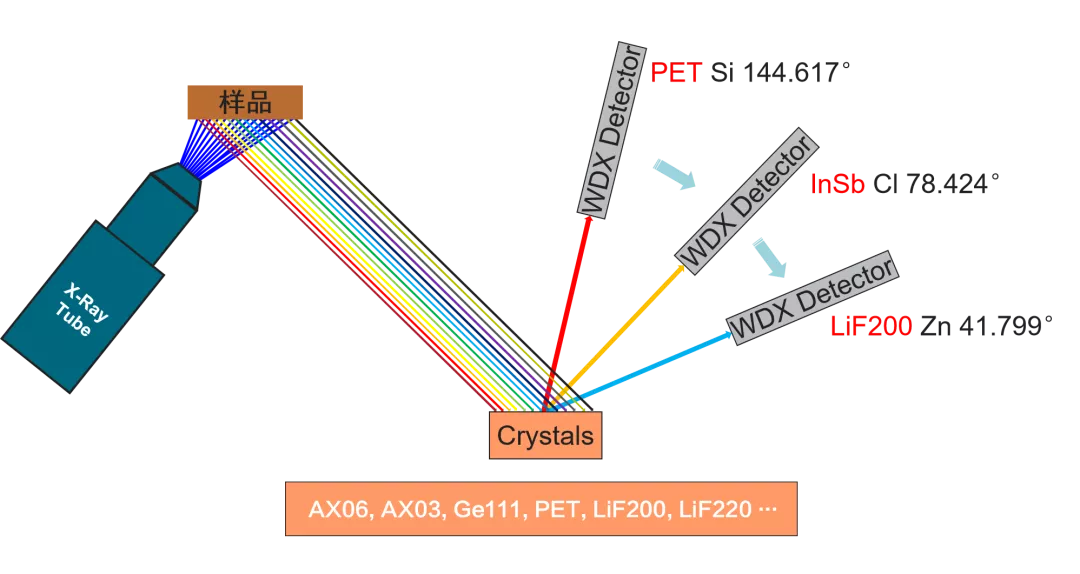
Some "JADE software to analyze and process XRD data" related content.
EmailMore
Today we share some knowledge about "JADE software analysis and processing XRD data"
EmailMore
This article mainly shares some relevant issues about "JADE software analysis and processing XRD data".
EmailMore
X-ray diffraction is the most effective and most widely used means, and X-ray diffraction is the first method used by humans to study the microstructure of matter.
EmailMore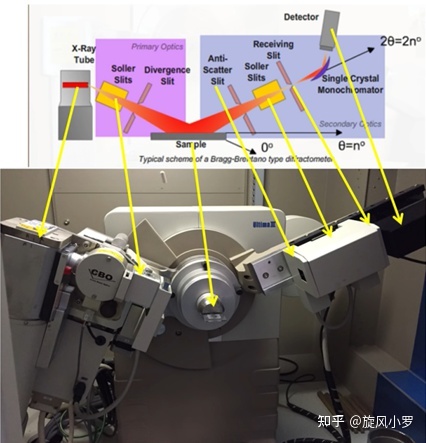
X-rays are a type of short-wavelength electromagnetic radiation, between ultraviolet and gamma rays, that was developed by the German physicist W.K. It was discovered by Roentgen in 1895, so it is also called Roentgen rays.
EmailMore