
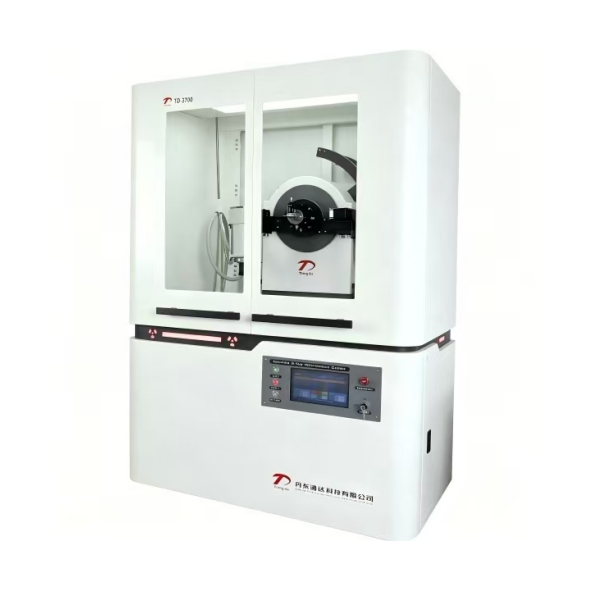
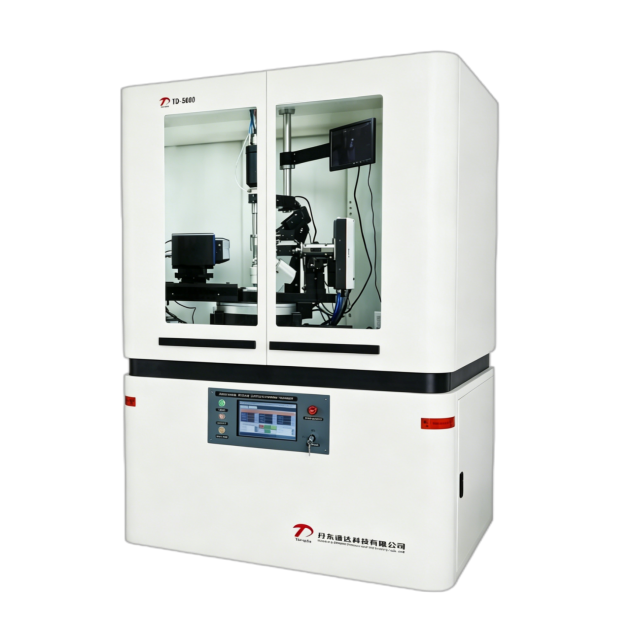
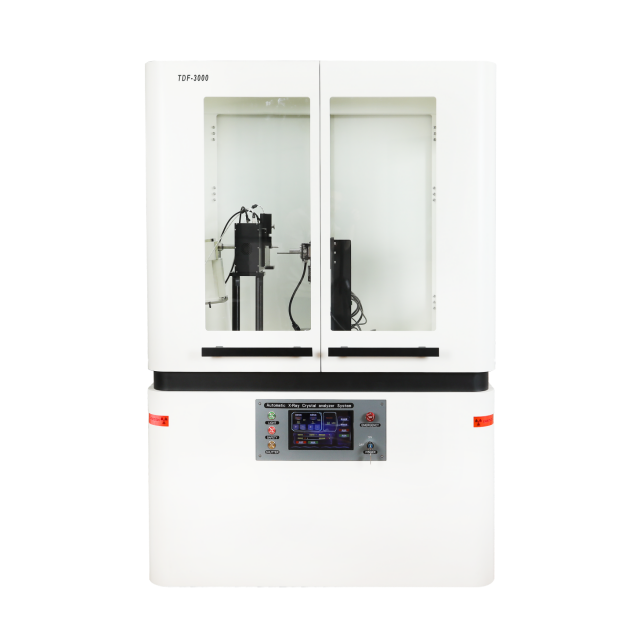
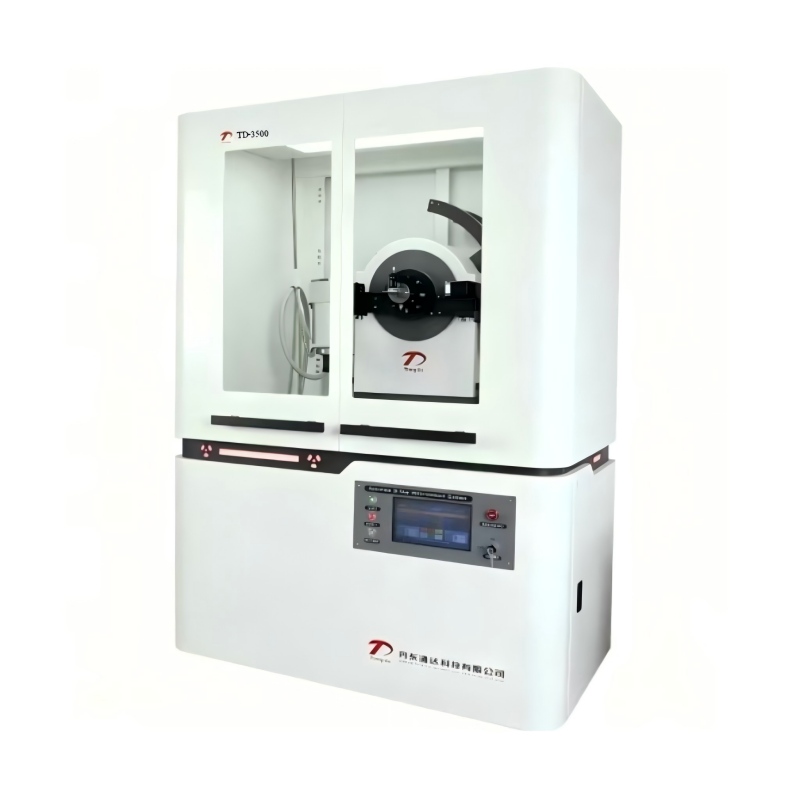
XRD is the abbreviation for X-Ray Diffraction (X-ray diffraction). It is a research method to obtain information such as the composition of the material, the structure or morphology of the atoms or molecules inside the material by X-ray diffraction and analysis of its diffraction pattern.
一、XRD in-situ battery test technology
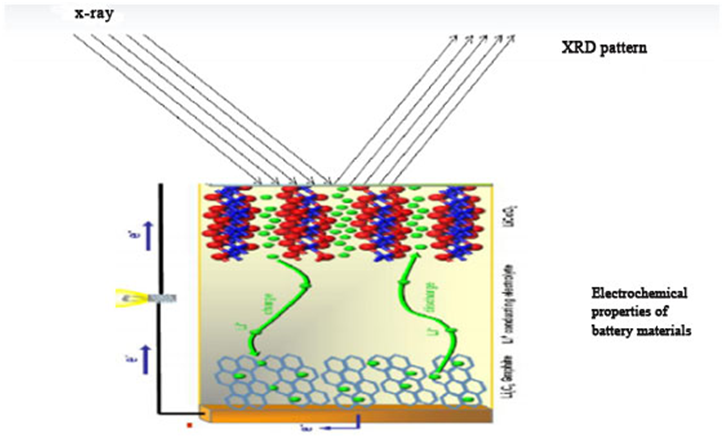
In-situ XRD characterization, as a derivative test method of XRD, can meet the non-in-situ XRD phase analysis of crystalline materials, and can also realize the crystal structure testing and analysis of crystalline materials and secondary battery components under the conditions of in-situ high and low temperature, charge and discharge special atmosphere.
The performance of lithium ion battery electrode material mainly depends on its composition and structure. Systematically studying the structure-activity relationship between the composition structure and properties of the material, exploring the structural evolution, ion and charge transfer of the material during the charge and discharge process, is of great significance to deeply understand the lithium storage mechanism of the electrode material, and optimize the chemical composition, crystal structure and morphology of the material.
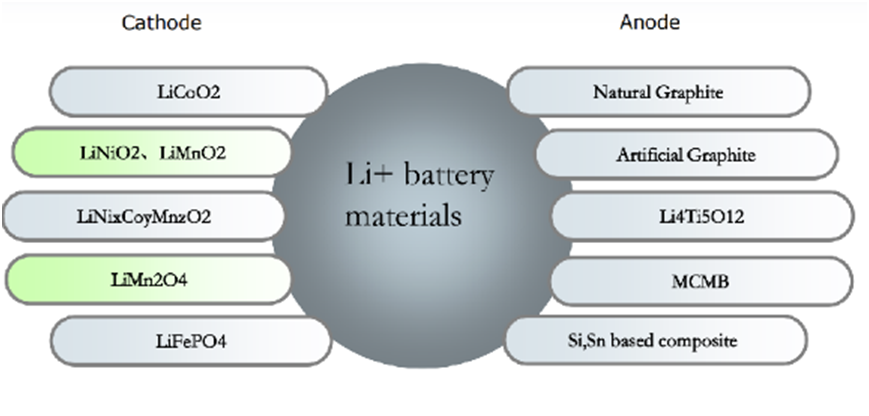
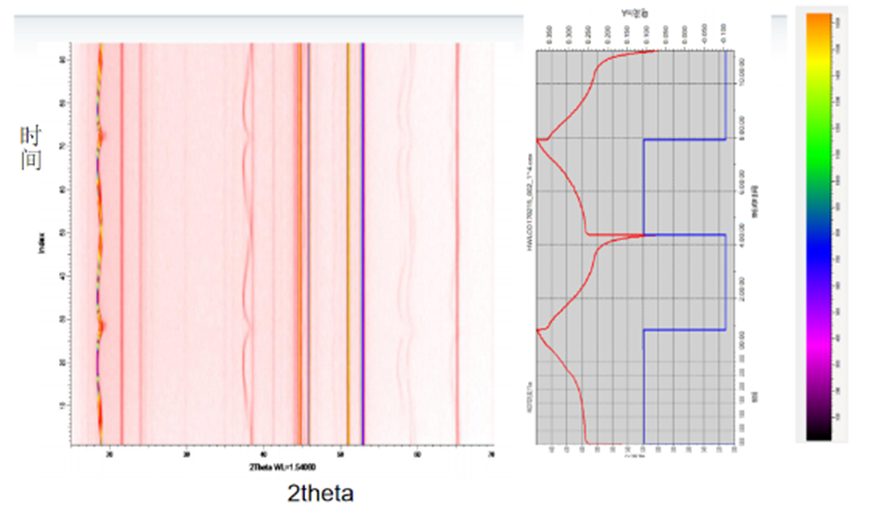
XRD scanning is also performed during the battery charging and discharging cycle to observe the change mechanism of electrode materials, which can mainly be used to observe the phase transition occurring during the reaction process, and is an important method for analyzing battery electrode materials. A series of X-ray diffraction patterns in the testing process of the battery were obtained by diffraction scanning. Through the analysis of the X-ray diffraction pattern set, the phase change and content of the electrode material, cell parameters, crystal surface spacing, cell volume change and other information were obtained.
二、 Examples
1. The reaction mechanism of LiCoO2 battery electrode material during charge and discharge cycle was studied by in-situ XRD
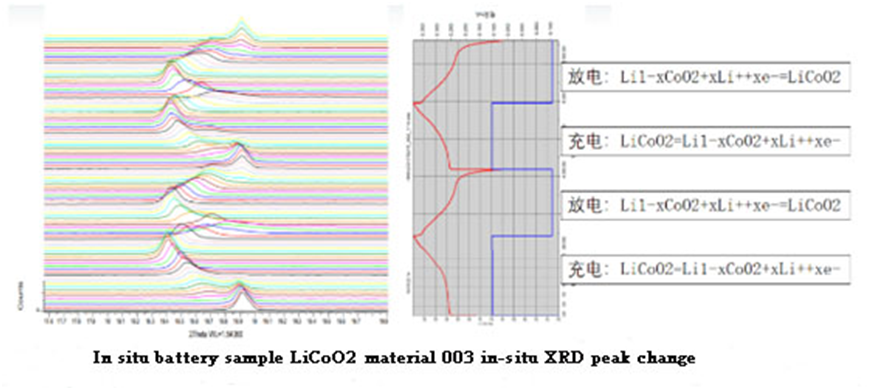
2. 2D display of In-situ XRD peak changes of LiCoO2 material of in-situ battery sample