



How to obtain high-quality data using an X-ray diffractometer?
2026-02-26 08:27In the fields of materials science and physics, the X-ray diffractometer is a commonly used experimental tool that provides valuable information about the crystal structure of materials. However, to obtain accurate and high-quality data, operators need to master certain operational techniques and precautions.
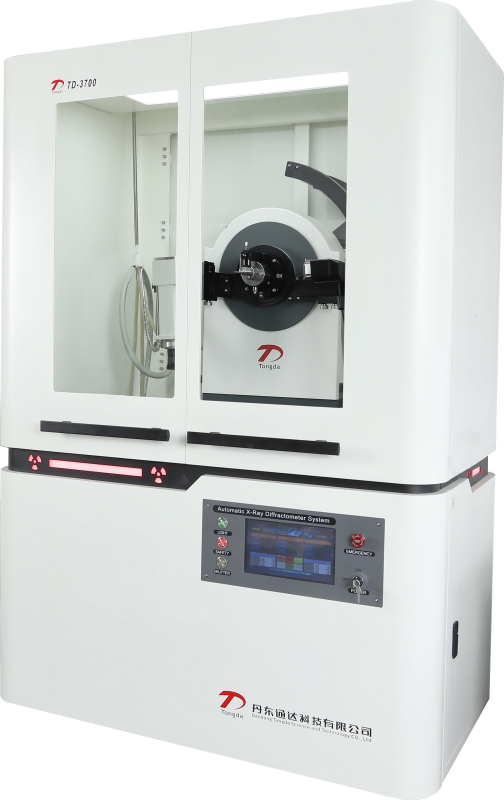
For any precision experimental equipment, good maintenance and regular calibration are prerequisites for ensuring data quality. Before using an X-ray diffractometer, ensure that the instrument has been properly warmed up and calibrated to reduce errors caused by temperature changes or equipment drift. Additionally, a clean sample surface is crucial for obtaining clear diffraction patterns. The sample stage and detector should be regularly inspected and cleaned to avoid interference from dust or other impurities.
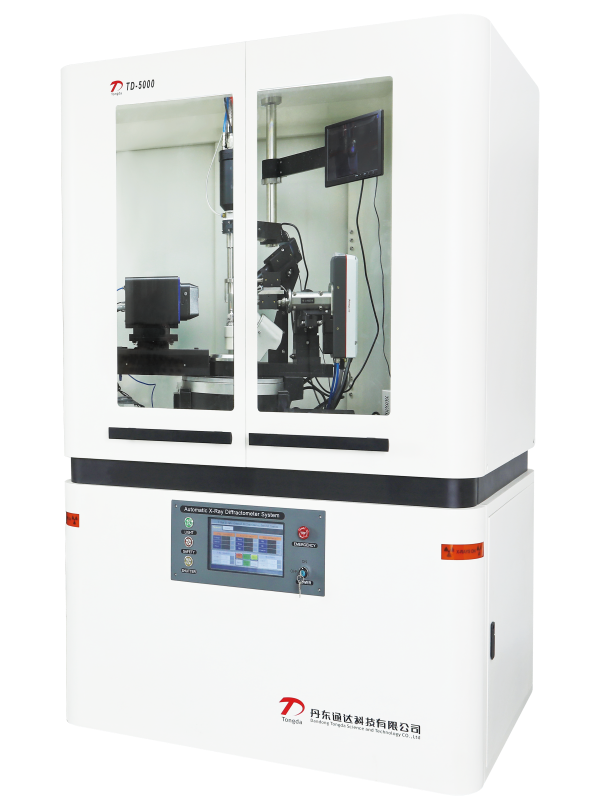
Selecting appropriate experimental parameters is also very important for improving data quality. Based on the characteristics of the sample and the research objectives, reasonably choose the X-ray wavelength, tube current, tube voltage, and detection range. For example, longer wavelength X-rays can penetrate the sample better, making them suitable for studying thicker samples or materials with high atomic numbers. Furthermore, adjusting the tube current and tube voltage can control the intensity of the X-rays to meet different measurement needs.
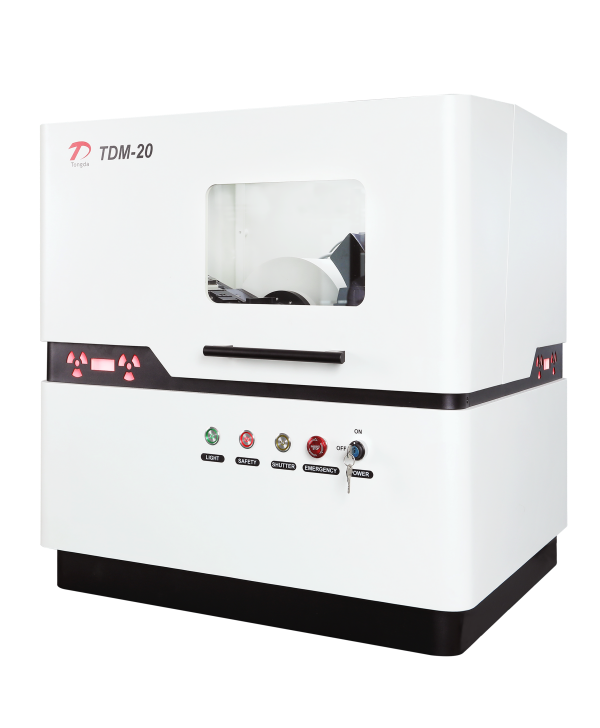
Sample preparation is equally critical. Ensure the sample is uniform, flat, and stress-free, as uneven samples may lead to broadening or distortion of diffraction peaks. If necessary, physical methods such as grinding or polishing can be used to improve the surface quality of the sample. For powder samples, try to ensure consistent particle size to avoid the effects of preferred orientation.
During data collection, reasonable scanning speed and step size are also key factors in obtaining high-quality data. Scanning too quickly may result in insufficient data collection, while overly large step sizes may miss important diffraction information. Generally, a slower and continuous scanning speed helps improve the signal-to-noise ratio and better resolves closely spaced diffraction peaks.
The data analysis process also requires special attention. Use appropriate data processing software and algorithms to process the collected data, such as removing background noise, peak searching, and diffraction angle calibration. During this process, perform multiple iterations of data processing to ensure the accuracy and reproducibility of the results.
To obtain high-quality data from an X-ray diffractometer, operators need to focus on equipment maintenance and calibration, the selection of experimental parameters, the quality of sample preparation, the control of the scanning process, and the accuracy of subsequent data processing. Through these meticulous operations and considerations, researchers can ensure the reliability of their experimental results, thereby providing solid data support for research in materials science, physics, and even broader fields.