



- Home
- >
- News
- >
- Industry news
- >
News
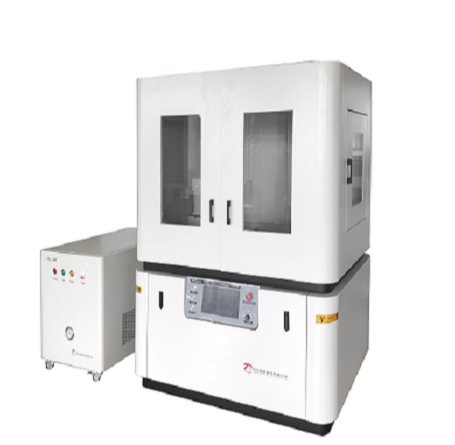
X-ray Absorption Spectrometer (XAS) analyzes material structure via X-ray interaction. It precisely tunes energy to excite specific elements, providing data on valence states and electronic structure. Recent advances include SuperXAFS series with synchrotron-comparable data and tabletop systems for lab use. XAS is widely applied in materials science, chemistry, biology, and medicine to study crystal structures, reaction mechanisms, and biomacromolecules.
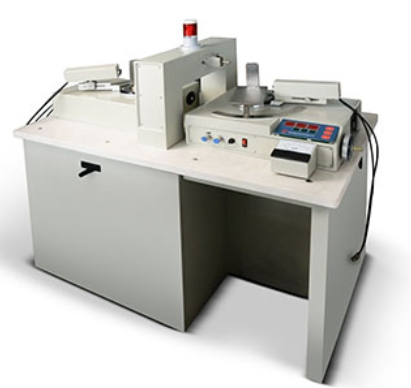
Improving crystal orientator performance requires technological upgrades (advanced scanning, enhanced hardware/software), proper sample preparation, regular calibration and maintenance, professional operator training with standardized procedures, and continued R&D investment for innovation.
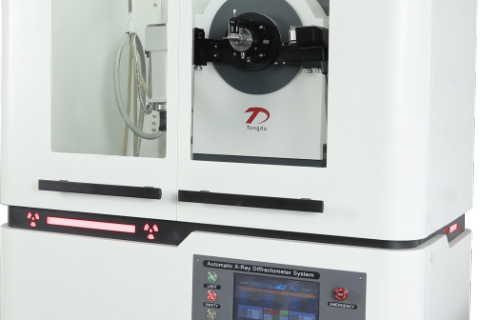
Two-dimensional X-ray diffractometer enables precise analysis of crystal structure, phase composition, crystallinity, grain size, and defects across metals, ceramics, nanomaterials, polymers, and more. It offers rapid acquisition, high resolution, and non-destructive testing, supporting material development, process optimization, and performance enhancement. Its versatility and multi-mode capabilities make it indispensable in materials science research.
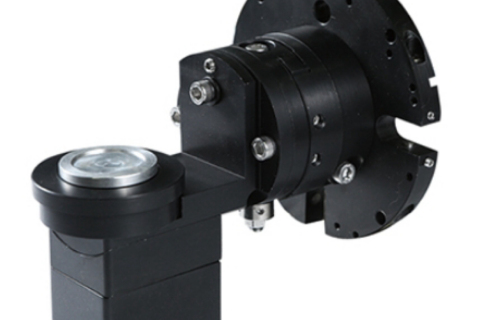
Rotating sample stages ensure precision in scientific and industrial processes. Key maintenance practices include: 1) Regular cleaning with a soft cloth and safe solvents to prevent contamination. 2) Lubrication of bearings and gears to reduce wear. 3) Tightening fasteners and adjusting components as needed. 4) Corrosion prevention in harsh environments. 5) Avoiding overloads and impacts. 6) Proper storage and transport with protective measures. 7) Conducting routine inspections and keeping maintenance records to address issues early and ensure longevity.
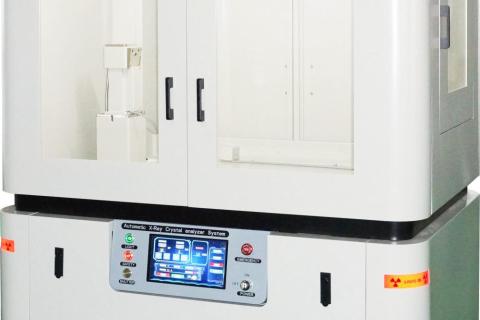
Accuracy of X-ray Crystal Analysis Results are affected by: X-ray tube & detector (intensity, noise, resolution), Sample (uniformity, defects, surface), and Environment (thermal drift, humidity, magnetic fields). Controlling these variables is essential for precise structural data.
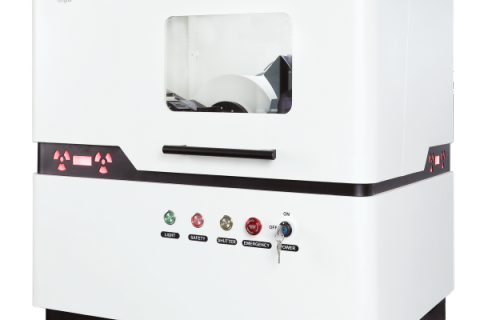
Benchtop XRD: A vital nanotechnology tool for atomic-scale analysis. It decodes crystal structure, phase composition, and grain size via diffraction patterns. Essential for understanding nano-properties, controlling synthesis, and designing composites, its enhanced resolution powers research and innovation across pharmaceuticals, energy, and electronics.
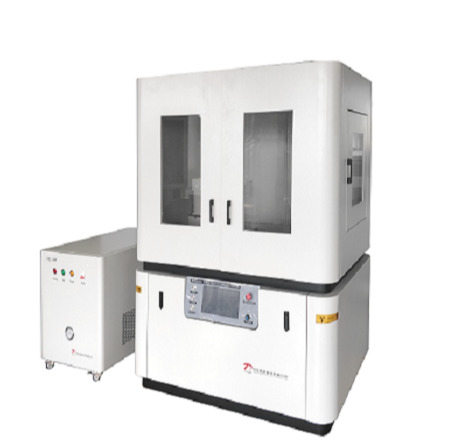
X-ray absorption spectroscopy (XAS) provides atomic-level insights into energy materials. It tracks real-time valence and structural changes in lithium-ion battery electrodes during cycling. For fuel cell catalysts, XAS reveals active sites and stability mechanisms by analyzing electronic states and coordination environments. In photocatalysts, it elucidates charge transfer pathways and dynamic site evolution, guiding the design of advanced materials.
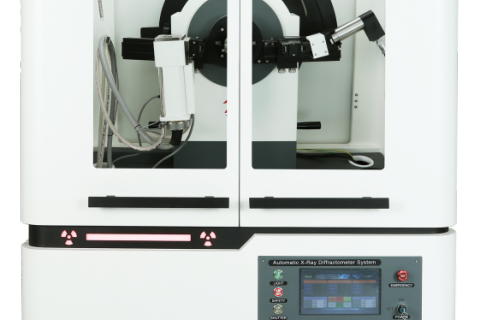
Dandong X-ray diffractometers excel with full-scenario sample compatibility, from powders to thin films. Featuring modular design and precision optics, they enable efficient powder analysis and accurate thin-film characterization using GIXRD technology. Their adaptability extends to bulk, single-crystal, and fibrous materials via accessories, supporting in-situ testing. Cost-effective and versatile, they are vital tools for R&D and quality control across industries.
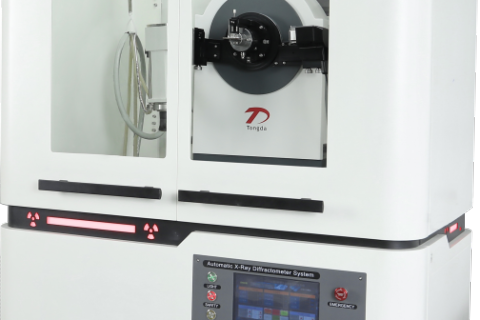
Choosing an XRD requires balancing performance (accuracy, speed), versatility (sample types), and usability with long-term value. Key factors include instrument reliability, safety, cost-effectiveness (considering both upfront price and operational costs), and strong supplier support—encompassing training, application guidance, and local service. Before purchase, also assess lab infrastructure, compare market options, and plan for future upgrades and maintenance.
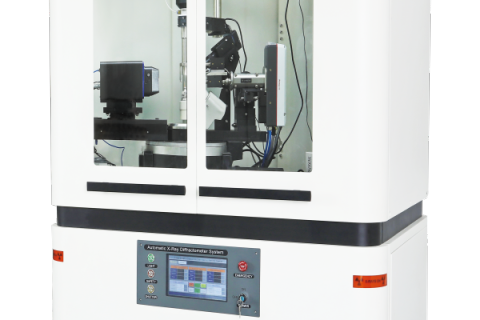
China-made X-ray diffractometers offer high spatial/energy resolution, non-destructive testing, and reliable operation. They are vital for analyzing crystal structures in materials science, rock compositions in geology, and protein structures in biology, driving research and innovation across multiple fields.
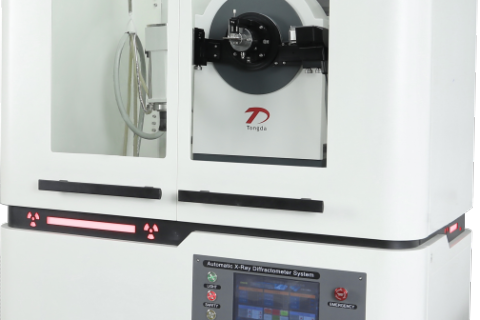
Optimizing goniometer geometry and optics is crucial for powder diffractometer performance. Bragg-Brentano geometry enables precise focus, while modern systems like Soller slits and Göbel mirrors enhance resolution. Combined with advanced detectors (e.g., 1Der), these innovations suppress noise, detect weak signals, and expand applications in materials science and industrial analysis.
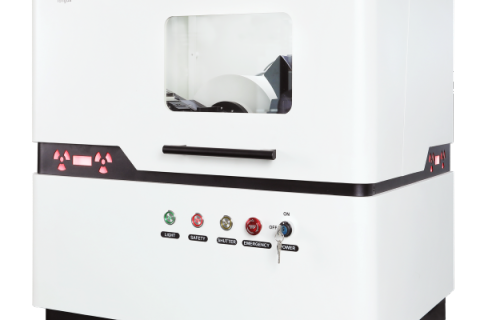
Desktop XRD data analysis requires steps like preprocessing, peak identification, and parameter analysis to extract crystal structure info from complex patterns, necessitating expert knowledge and ongoing skill updates