

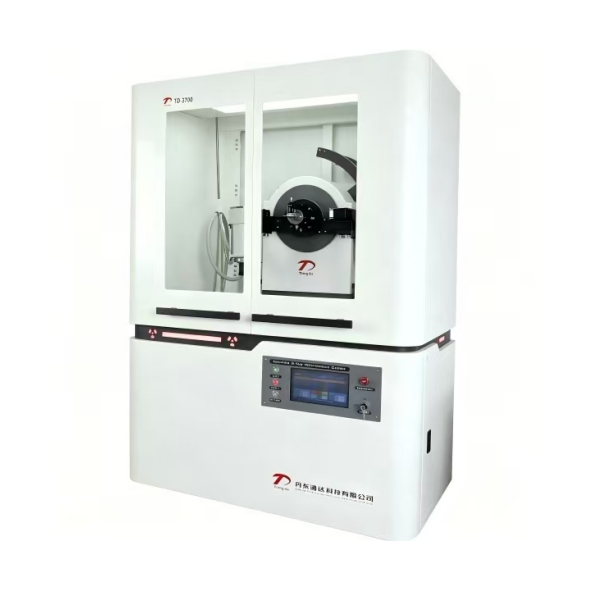
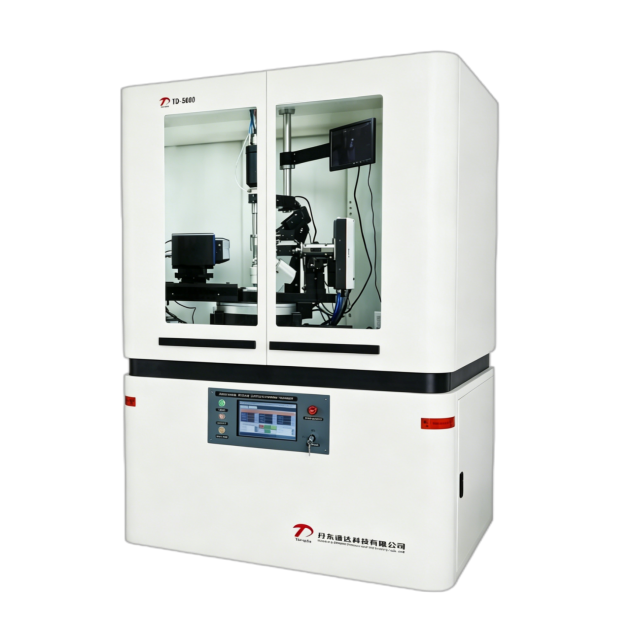
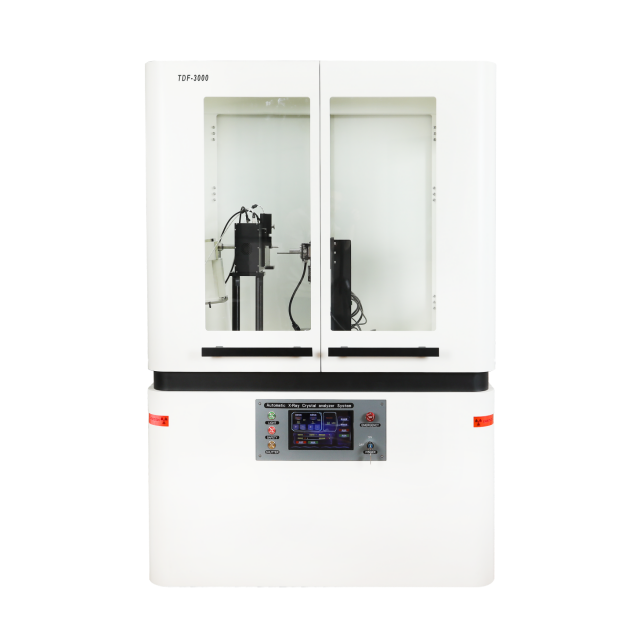
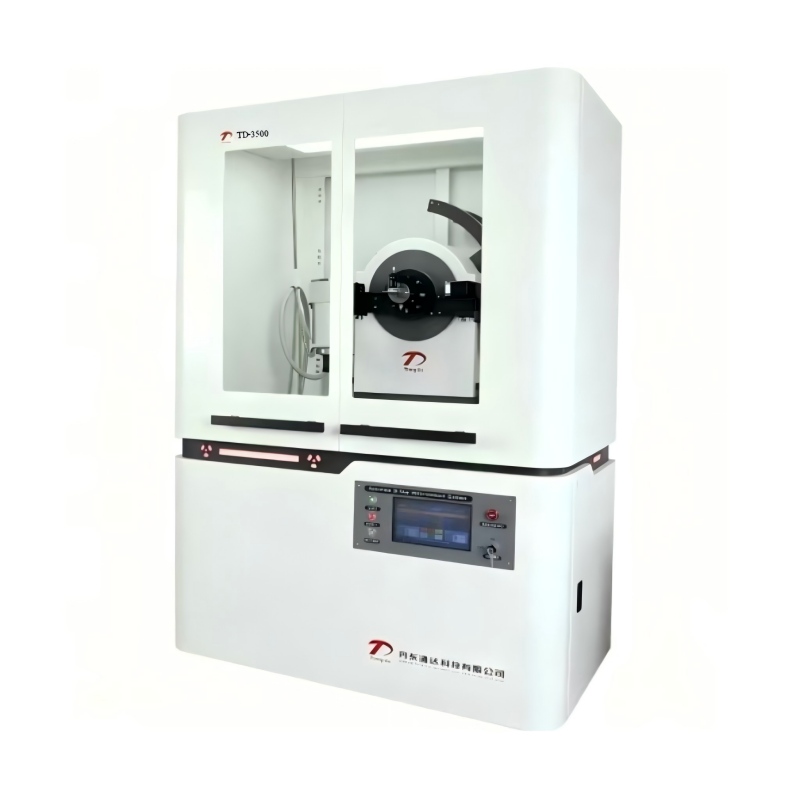
In modern industrial production systems, quality control is essential for ensuring product consistency, regulatory compliance, and market competitiveness. As material processing technologies continue to advance, the demand for higher precision, efficiency, and reliability in micro-material analysis has grown significantly. The X-ray diffractometer (XRD) has become an indispensable tool across multiple manufacturing sectors, offering non-destructive testing, precise phase analysis, and crystallinity quantification. It supports the entire quality control workflow—from incoming material inspection and in-process monitoring to final product testing and failure analysis.
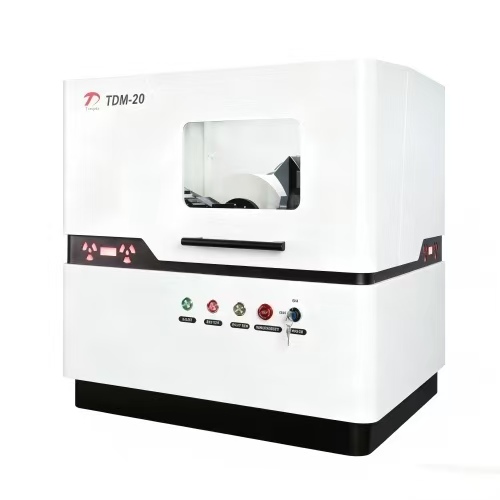
I. Core Value of XRD in Industrial Quality Control
As a well-established material characterization technique, XRD enables rapid, non-destructive analysis of crystal structures, phase composition, crystallinity, and residual stress. Compared to traditional testing methods, XRD offers fast measurement, high data reproducibility, and broad application versatility. It is suitable for both high-frequency routine checks in production lines and high-precision laboratory re-testing. By integrating XRD into quality control processes, manufacturers can reduce defect rates, minimize rework and after-sales risks, and maintain compliance with industry standards.
II. Industry-Specific Applications
1. Building Materials and Cement Industry
The performance of cement, ceramics, and other building materials is directly influenced by their mineral phase composition. XRD enables quantitative analysis of clinker phases, allowing real-time adjustment of kiln and sintering parameters. In ceramic production, XRD tracks raw material phase evolution and phase transformations during sintering, ensuring consistent product strength and stability.
2. Metallurgy and Metal Processing
In steel, alloys, and automotive components, XRD is used to analyze phase composition, lattice distortion, and residual stress. Metal processing steps such as welding, stamping, and heat treatment can introduce stress-induced defects that affect service life and safety. XRD provides accurate residual stress measurements, helping optimize processing and heat treatment protocols to prevent fracture and deformation. It is widely used for quality inspection of mechanical parts, hardware products, and high-performance metal materials.
3. Chemical and Catalytic Materials
Chemical raw materials, catalysts, and polymers require precise control over crystallinity and purity. For example, XRD rapidly determines zeolite crystallinity in refinery catalysts, enabling real-time process adjustments to maintain catalyst activity and batch-to-batch consistency. In paints, pigments, and polymer products, XRD identifies crystalline phases and detects impurities, preventing performance issues caused by raw material inconsistencies or improper crystal structures.
4. Semiconductor and Electronics Manufacturing
Semiconductor wafers and electronic components demand extremely high crystal quality and lattice integrity. XRD accurately measures wafer crystallinity and micro-defects, enabling early-stage screening of substandard materials and improving final product yields. It is also used for structural analysis of electronic ceramics and packaging materials, ensuring reliable operation under demanding conditions—making XRD an essential quality control tool for high-end electronics manufacturing.
5. Pharmaceutical and Fine Chemical Industry
Polymorphism in pharmaceutical compounds directly affects drug efficacy, stability, and safety, making it a critical focus in pharmaceutical quality control. XRD enables precise identification of drug polymorphs and raw material purity, ensuring batch-to-batch consistency and regulatory compliance with global pharmaceutical standards.
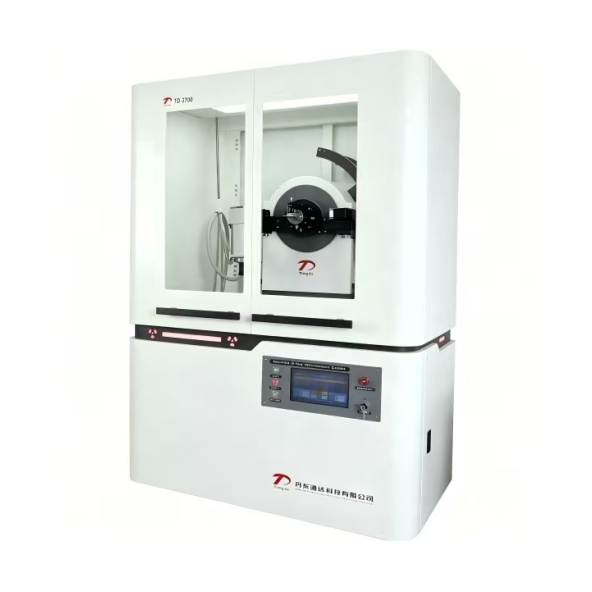
III. Key Considerations for Selecting XRD Equipment for Industrial Applications
Different production lines and testing stations require different instrument configurations. For shop-floor industrial quality control, compact and user-friendly benchtop XRD systems are ideal for high-frequency, rapid testing. For R&D laboratories and high-end quality assurance departments, high-resolution XRD systems are recommended to support in-depth data analysis and new product development.
A high-quality industrial XRD system should also demonstrate :Good environmental adaptability,Reliable continuous operation,Integrated data processing software with standardized reporting capabilities.
These features support quality traceability, customer audits, and industry compliance certification. We provide customized solutions, technical support, and after-sales service tailored to the quality control challenges of different industries, helping companies build efficient and robust quality inspection systems.
IV. Conclusion
Today, X-ray diffractometers have moved beyond research laboratories and become essential tools in industrial production lines, enabling end-to-end quality control—from raw materials and process optimization to final product verification. Whether in traditional manufacturing or advanced materials sectors, accurate and efficient XRD analysis is key to improving product quality, reducing costs, and enhancing market competitiveness.

If you are evaluating XRD solutions for your production line or laboratory, or if you would like to learn more about industry-specific quality control solutions, please contact our team for one-on-one technical consultation and product selection guidance.