

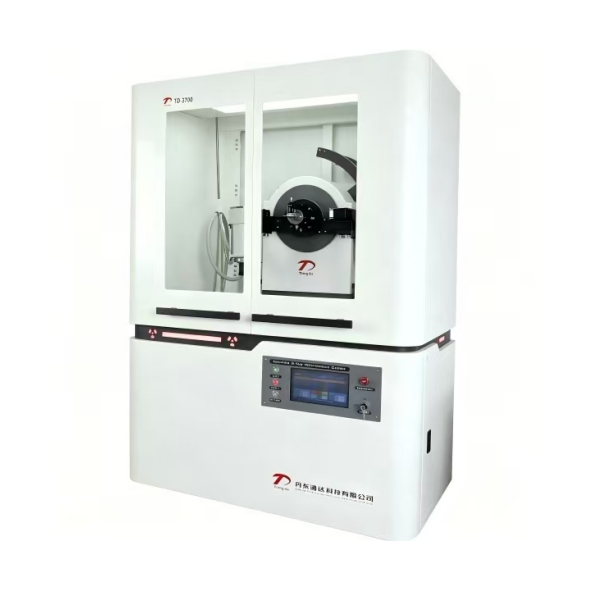
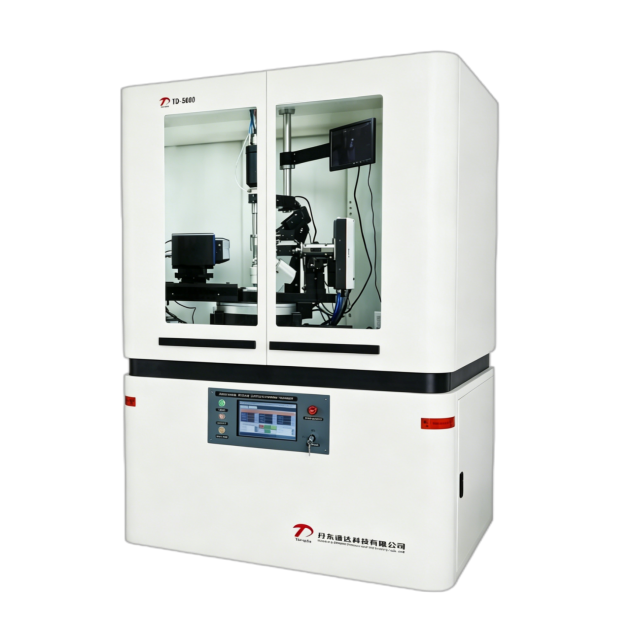
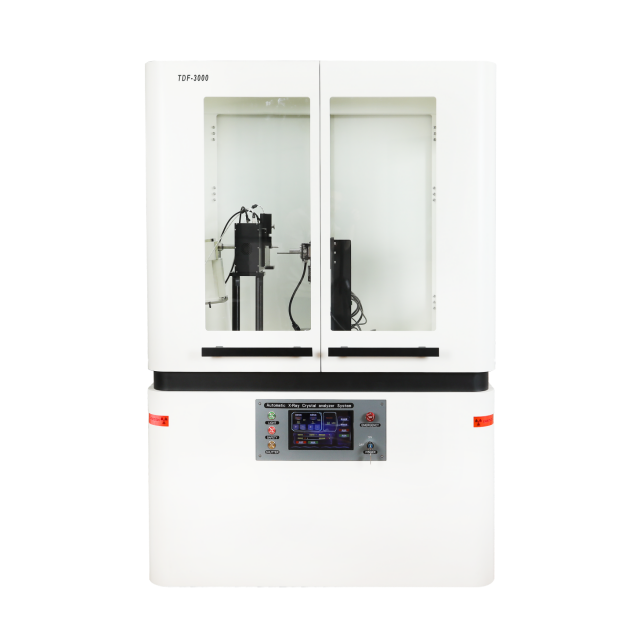
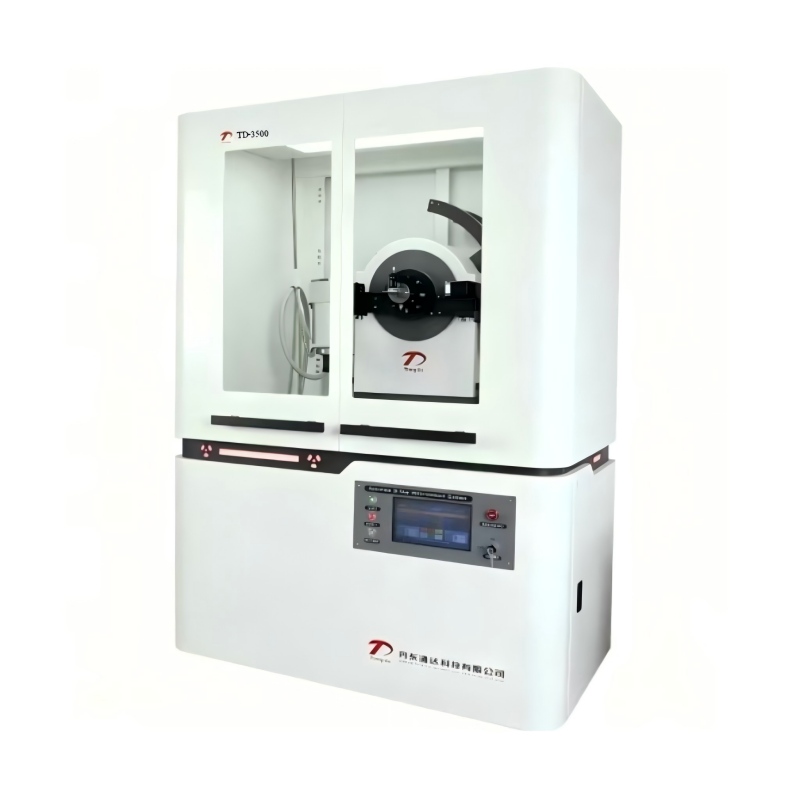
As the global metallurgical industry steadily develops and environmental regulations become increasingly stringent, wet chemical analysis is facing growing cost pressures from waste liquid treatment, reagent procurement, and labor. In response, a growing number of smelting enterprises are accelerating the optimization of their quality inspection systems. Accurate phase analysis of raw materials has become a key link in improving production efficiency and product quality. From incoming inspection of iron ores and non-ferrous metal concentrates, to sintering blend control and smelting slag composition review, mineral phase data directly guides burden adjustments, affecting metal recovery rates, energy consumption, and final product consistency. Industrial XRD equipment that adapts to shop floor conditions and offers friendly procurement costs has become a key focus for technical upgrades in small, medium, and large smelting plants.
Dandong Tongda Science and Technology Co., Ltd.,grounded in real-world industrial testing needs, has launched cost-effective industrial XRD equipment focused on raw material phase analysis across the entire metallurgical chain, providing localized in-house quality inspection solutions for metallurgical enterprises worldwide.
Tongda's XRD equipment comprehensively covers testing requirements for common materials such as iron ores, copper-lead-zinc and other non-ferrous metal ores, sinter, and metallurgical slags. Leveraging mature X-ray diffraction technology, it enables rapid qualitative screening and quantitative determination of mineral phases, accurately distinguishing beneficial minerals from harmful impurities. Production technicians can rely on detailed phase data to optimize burden proportions, improve smelting conditions, make reasonable use of various ore grades, reduce unnecessary losses at the raw material stage, and enhance the comprehensive utilization rate of mineral resources.
During the R&D phase, Tongda optimized equipment configurations for real-world use in metallurgical plants. The low-cost metallurgical raw material testing XRD model removes unnecessary laboratory-oriented functions, effectively controlling the total procurement investment while meeting globally accepted metallurgical testing standards. The equipment structure is custom-optimized for challenging plant environments characterized by dust and temperature fluctuations. Routine consumables consumption is low, and maintenance procedures are straightforward. Ordinary quality control personnel can operate the equipment independently after systematic yet simple training, and the testing time per sample is short. Factories can gradually reduce reliance on expensive third-party outsourced testing, continuously lowering external quality inspection expenses.
By relying on routine in-situ testing data, metallurgical enterprises can gradually move away from traditional experience-based burden practices, establish their own raw material databases, and achieve full-process data-driven quality control. At present, replacing some wet chemical assays with industrial XRD is a general trend in the intelligent upgrading of the global metallurgical industry, with smelters in major production regions successively updating their laboratory testing configurations. Dandong Tongda's cost-effective industrial XRD, with its reliable detection accuracy and economically viable whole-life-cycle cost, aligns with the budget planning and production needs of various scales of metallurgical plants. It helps domestic and international metallurgical enterprises steadily upgrade their quality inspection systems, achieving both cost reduction in quality control and productivity improvement.