

Products

Featured products

  • Diffractometer
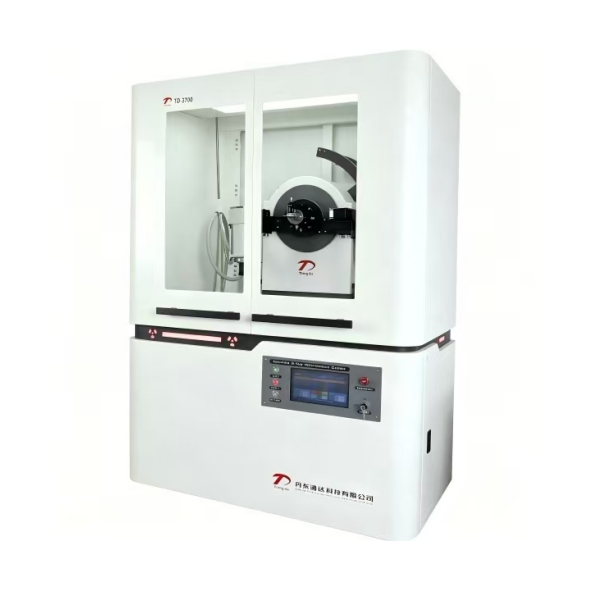
    Diffractometer
    1. The accuracy of Diffractometer is high. 2. The application range of Diffractometer is wide. 3. Diffractometer is easy to operate, convenient and efficient.
    More
  • Single Crystal XRD
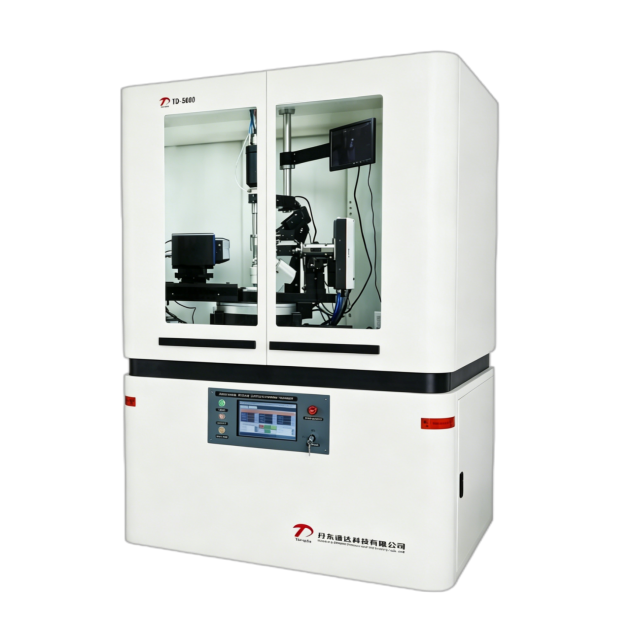
    Single Crystal XRD
    1.The single crystal machine adopts PLC control technology. 2.Modular design, accessories plug and play. 3.Electronic lead door interlocking equipment with double protection. 4.Single crystal X-ray tube: a variety of targets can be selected, such as Cu, Mo,etc. 5. Single crystal adopts four-circle concentric technology to ensure that the center of no goniometer remains unchanged.
    More
  • Series X-ray Crystal Analyzer
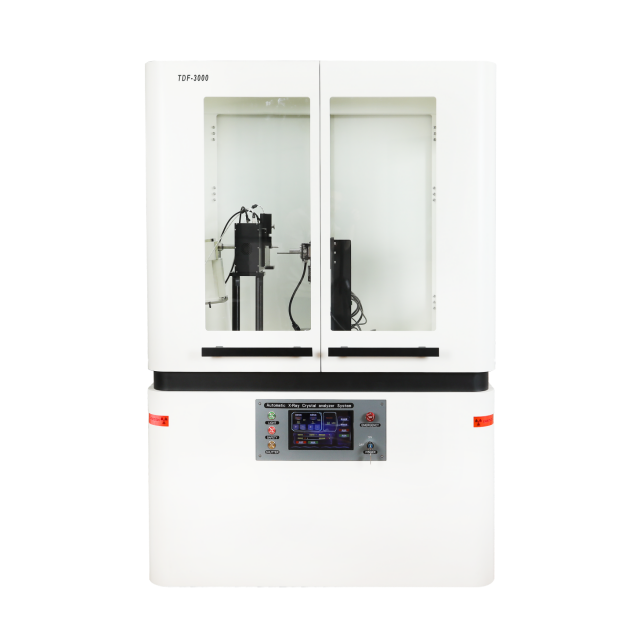
    Series X-ray Crystal Analyzer
    1. X-ray instrument is easy to operate and fast to detect. 2. X-ray instrument is accurate and reliable, with excellent performance. 3. X-ray instrument has various functional accessories to meet the needs of different testing purposes.
    More
  • Powder Diffractometer
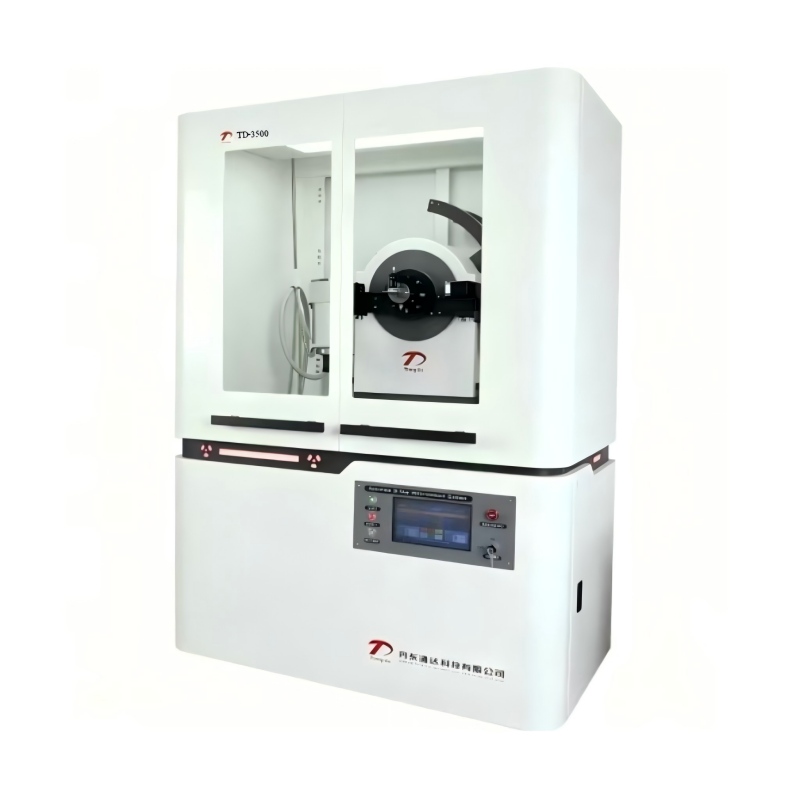
    Powder Diffractometer
    1. Detector type: Array detector or SDD detector; 2. PLC automatic control calculus, Integration mode conversion, PLC automatically performs PHA, dead time correction 3.Sample measurement type: powder sample, liquid samples, melt-state samples, viscous samples, loose powders, bulk solid samples 4.Available with a variety of diffractometer accessories 5.Maximum output powder: 3kW
    More

Contact us

About the diffraction pattern

2024-01-17

The composition of the diffraction pattern is mainly the position and intensity of the diffraction peak, and our analysis of the XRD pattern is based on the changes in the intensity and position to explain the changes in the micro and macro of the material.


Each material has its own characteristic diffraction pattern, also known as the characteristic diffraction pattern. The cell size of the material determines the position of the diffraction line, that is, the diffraction peak position we see on the diffraction spectrum, the type of atoms in the cell and their position determine the intensity of the diffraction peak, and the symmetry of the crystal shape determines the number of diffraction peaks.
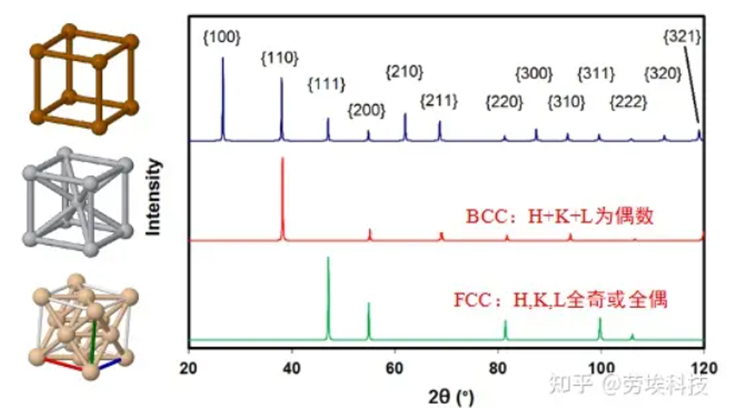
XRD

Diffraction occurs only in crystal, and scattering occurs in non-crystal. And when the crystal surface conforms to Bragg's law, the corresponding diffraction signal will be generated. In the XRD spectrum, each substance has its own characteristic diffraction spectrum, different substances produce different diffraction spectra, in a heterogeneous mixture of substances, the spectrum shown in XRD is a simple superposition of each phase.


Get the latest price? We will reply as soon as possible (within 12 hours)

top