Products

Featured products

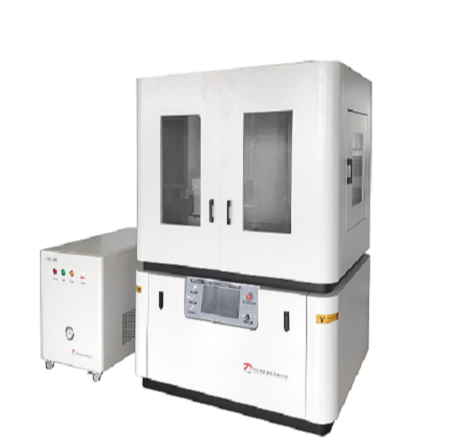
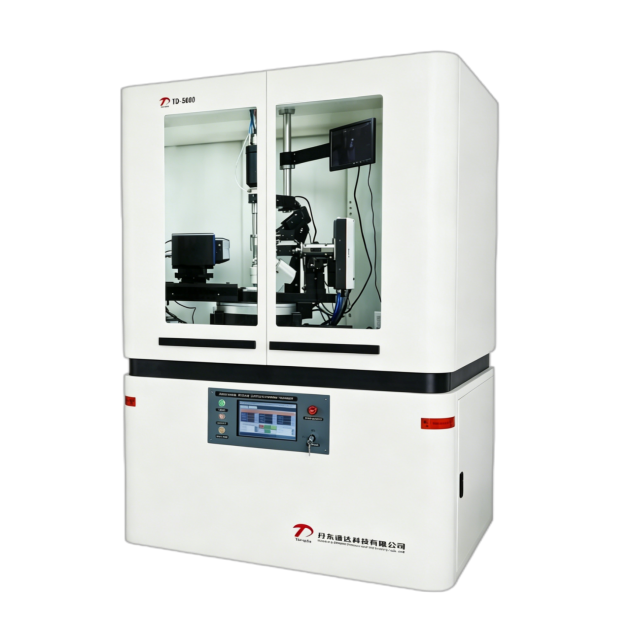
  • Diffractometer
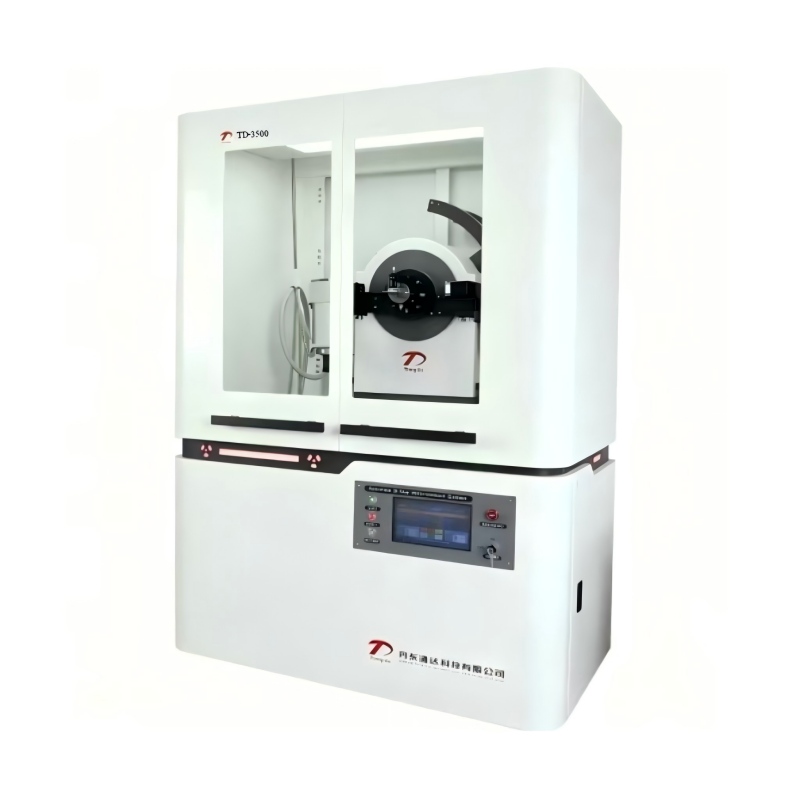
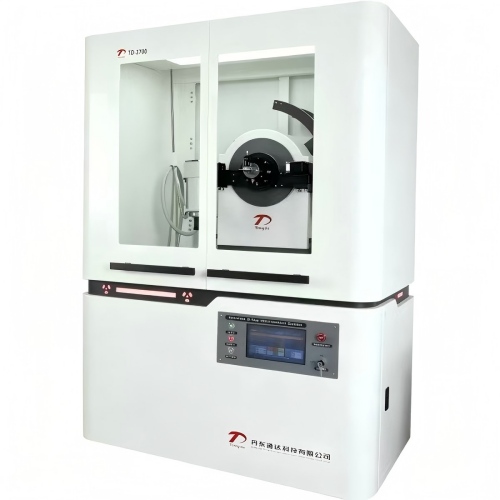
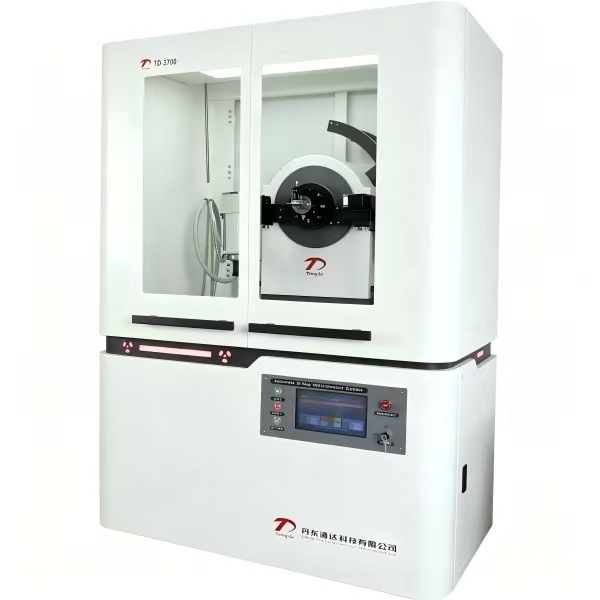
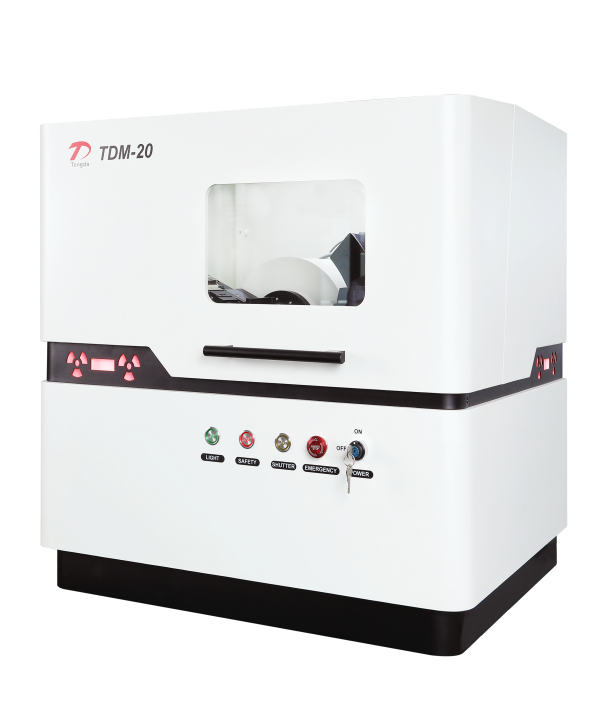
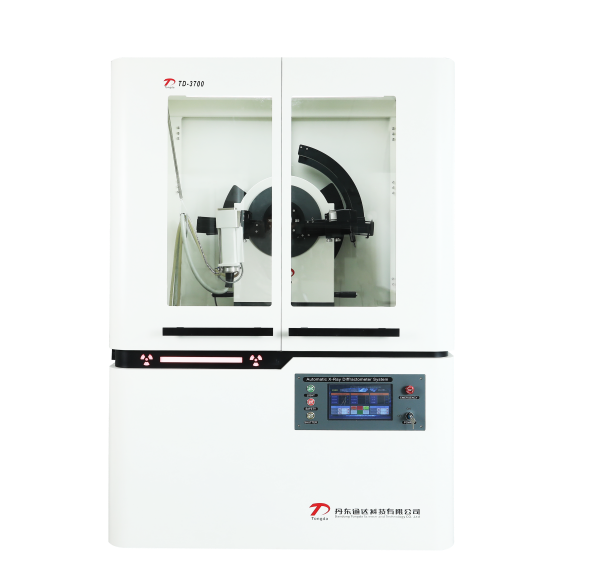
    Diffractometer
    1. The accuracy of Diffractometer is high. 2. The application range of Diffractometer is wide. 3. Diffractometer is easy to operate, convenient and efficient.
    More
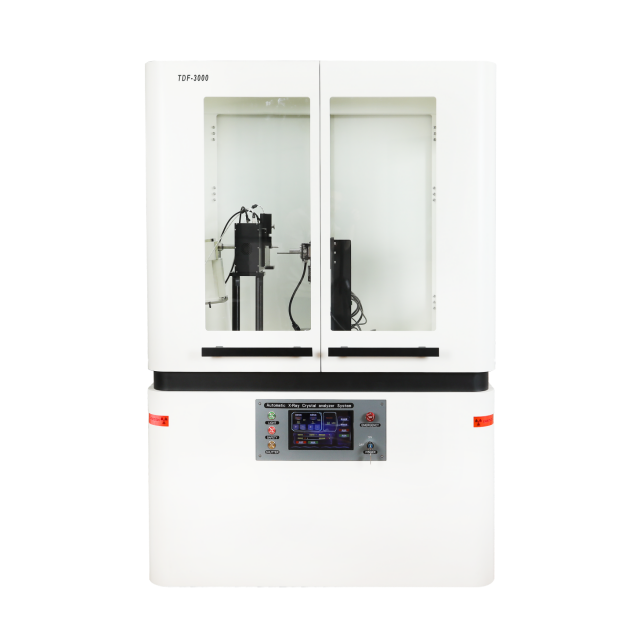
  • Single Crystal XRD
    Single Crystal XRD
    1.The single crystal machine adopts PLC control technology. 2.Modular design, accessories plug and play. 3.Electronic lead door interlocking equipment with double protection. 4.Single crystal X-ray tube: a variety of targets can be selected, such as Cu, Mo,etc. 5. Single crystal adopts four-circle concentric technology to ensure that the center of no goniometer remains unchanged.
    More
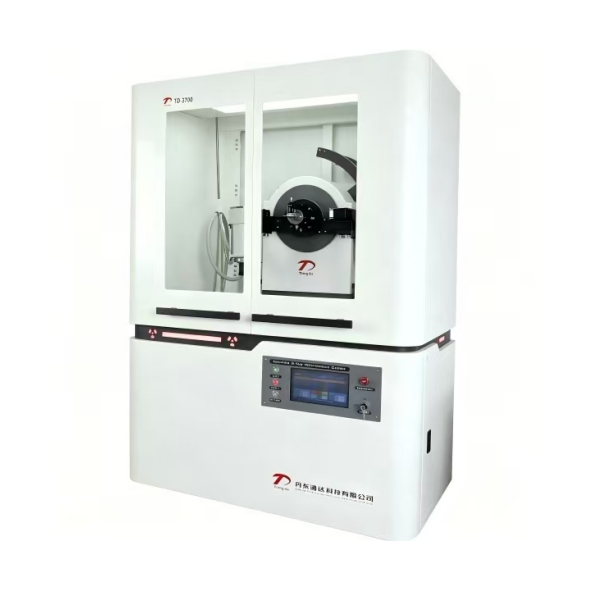
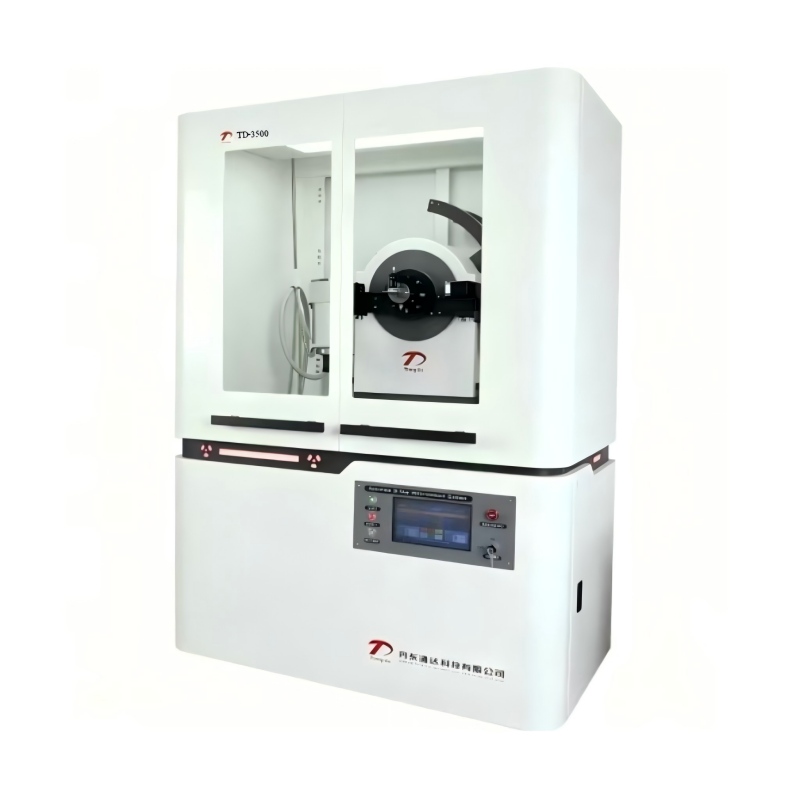
  • A 2D X-ray Diffractometer
    A 2D X-ray Diffractometer
    Advantages: Continuously adjustable X-ray penetration depth Capability to observe the distribution of crystal planes with different orientations Analysis of orientation distribution in samples such as fibers, thin films, and powders Examination of structural characteristics like lattice distortion and crystallite size
    More
  • X-ray Diffraction Residual Stress Analyzer
    X-ray Diffraction Residual Stress Analyzer
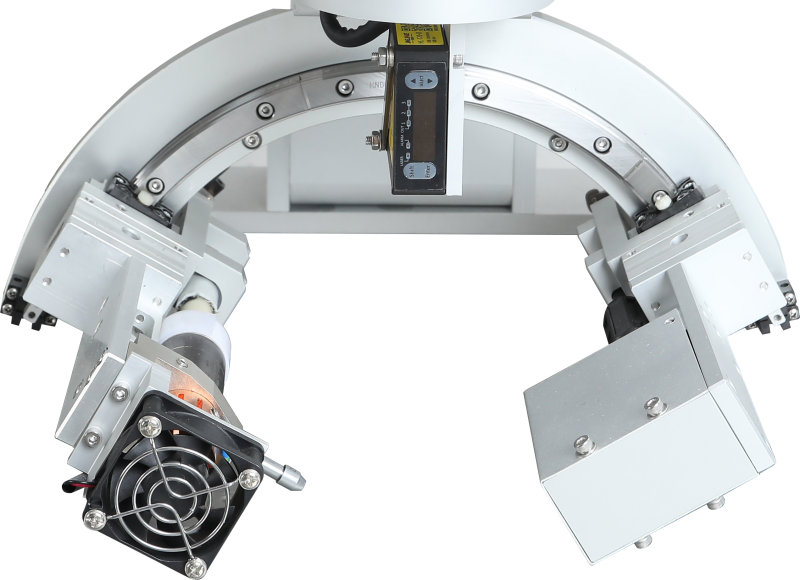
    TD-RSD XRD Residual Stress Analyzer ±7MPa accuracy, dual-detector innovation, full-auto operation & powerful software. Optimize processes, enhance product reliability. Compact, efficient, leading solution.
    More

Contact us

news

  • X-Ray Stress Analyzer: Working Principle, Structure, and Key Technologies
    X-Ray Stress Analyzer uses X-ray diffraction to non-destructively measure surface residual stress, critical for fatigue and corrosion resistance. Based on Bragg's Law, it detects stress by measuring crystal lattice strain via diffraction angle shifts. Key components include a stable X-ray generator, a high-precision goniometer (0.001° accuracy), advanced detectors, and specialized software. It transforms atomic-scale changes into essential engineering data for material safety.
    More
    2026
    03-04
  • Daily Maintenance and Care Points for 2D X-ray Diffractometer
    A 2D X-ray diffractometer requires strict daily maintenance to ensure accuracy. Key tasks include managing the operating environment (temperature 15–25°C, humidity 20–80%, dust and vibration-free). Regular cleaning of the sample holder and internal components is essential, alongside maintaining the recirculating cooling water system to prevent blockages. X-ray tubes need proper conditioning after extended inactivity and must be set to standby or shut down appropriately. The computer workstation requires data backup, and strict safety precautions, such as avoiding contact with beryllium windows and never bypassing safety interlocks, are critical.
    More
    2026
    03-03
  • The Principle, Technological Advances, and Applications of X-ray Absorption Spectrometer
    X-ray Absorption Spectrometer (XAS) analyzes material structure via X-ray interaction. It precisely tunes energy to excite specific elements, providing data on valence states and electronic structure. Recent advances include SuperXAFS series with synchrotron-comparable data and tabletop systems for lab use. XAS is widely applied in materials science, chemistry, biology, and medicine to study crystal structures, reaction mechanisms, and biomacromolecules.
    More
    2026
    03-02
  • How to improve the performance of a crystal orientator
    Improving crystal orientator performance requires technological upgrades (advanced scanning, enhanced hardware/software), proper sample preparation, regular calibration and maintenance, professional operator training with standardized procedures, and continued R&D investment for innovation.
    More
    2026
    02-28
  • Research Fields Suitable for Two-Dimensional X-Ray Diffractometer
    Two-dimensional X-ray diffractometer enables precise analysis of crystal structure, phase composition, crystallinity, grain size, and defects across metals, ceramics, nanomaterials, polymers, and more. It offers rapid acquisition, high resolution, and non-destructive testing, supporting material development, process optimization, and performance enhancement. Its versatility and multi-mode capabilities make it indispensable in materials science research.
    More
    2026
    02-27
  • How to obtain high-quality data using an X-ray diffractometer?
    To obtain high-quality XRD data, maintain and calibrate the instrument. Select optimal parameters (wavelength, speed) based on your sample. Prepare a clean, flat, and uniform sample. Finally, use proper software for accurate data analysis.
    More
    2026
    02-26
  • How to Properly Maintain a Rotating Sample Stage
    Rotating sample stages ensure precision in scientific and industrial processes. Key maintenance practices include: 1) Regular cleaning with a soft cloth and safe solvents to prevent contamination. 2) Lubrication of bearings and gears to reduce wear. 3) Tightening fasteners and adjusting components as needed. 4) Corrosion prevention in harsh environments. 5) Avoiding overloads and impacts. 6) Proper storage and transport with protective measures. 7) Conducting routine inspections and keeping maintenance records to address issues early and ensure longevity.
    More
    2026
    02-25
  • What aspects affect the efficiency of an X-ray crystal analyzer?
    Accuracy of X-ray Crystal Analysis Results are affected by: X-ray tube & detector (intensity, noise, resolution), Sample (uniformity, defects, surface), and Environment (thermal drift, humidity, magnetic fields). Controlling these variables is essential for precise structural data.
    More
    2026
    02-24
  • Bridging the Nano-World: X-ray Diffractometers in Nanotechnology
    Benchtop XRD: A vital nanotechnology tool for atomic-scale analysis. It decodes crystal structure, phase composition, and grain size via diffraction patterns. Essential for understanding nano-properties, controlling synthesis, and designing composites, its enhanced resolution powers research and innovation across pharmaceuticals, energy, and electronics.
    More
    2026
    02-23
  • High-Resolution X-Ray Absorption Spectrometer: Tech Challenges & Solutions
    High-Resolution X-ray Absorption Spectroscopy is a cutting-edge technique for atomic-scale analysis of materials' electronic and chemical states. The core challenge is achieving <1 eV energy resolution with high signal-to-noise. We overcome this by combining high-harmonic rejection mirrors with channel-cut monochromators for optimal brightness and resolution, integrating ultra-low-noise silicon drift detectors with real-time calibration for stability, and offering modular in-situ chambers for fast, efficient measurements under realistic conditions. Our spectrometers enable groundbreaking research in catalysis, quantum materials, and biochemistry.
    More
    2026
    02-20

Get the latest price? We will reply as soon as possible (within 12 hours)

top