Products

Featured products

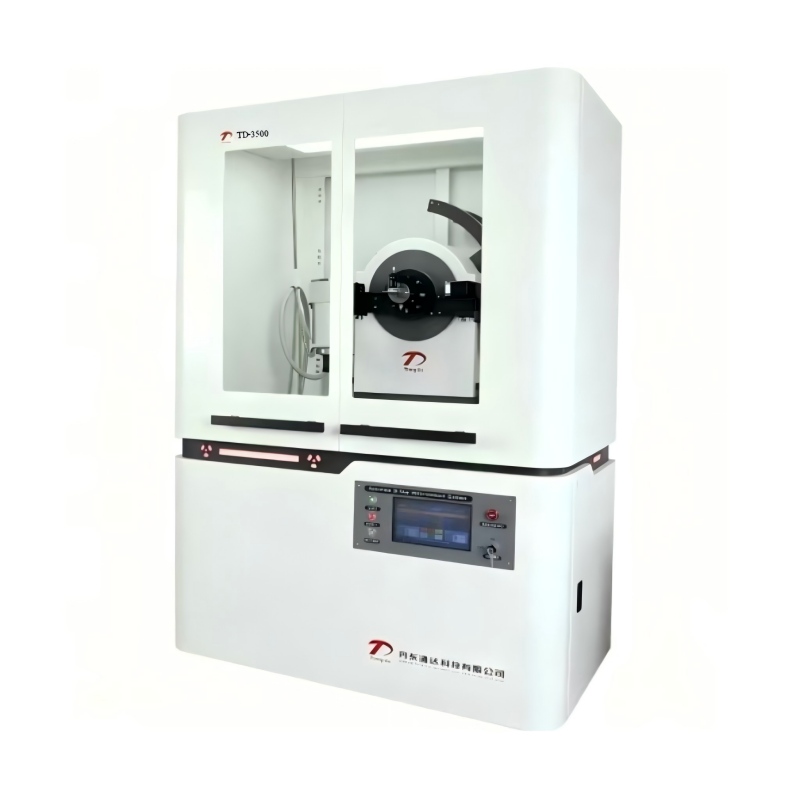
  • Diffractometer
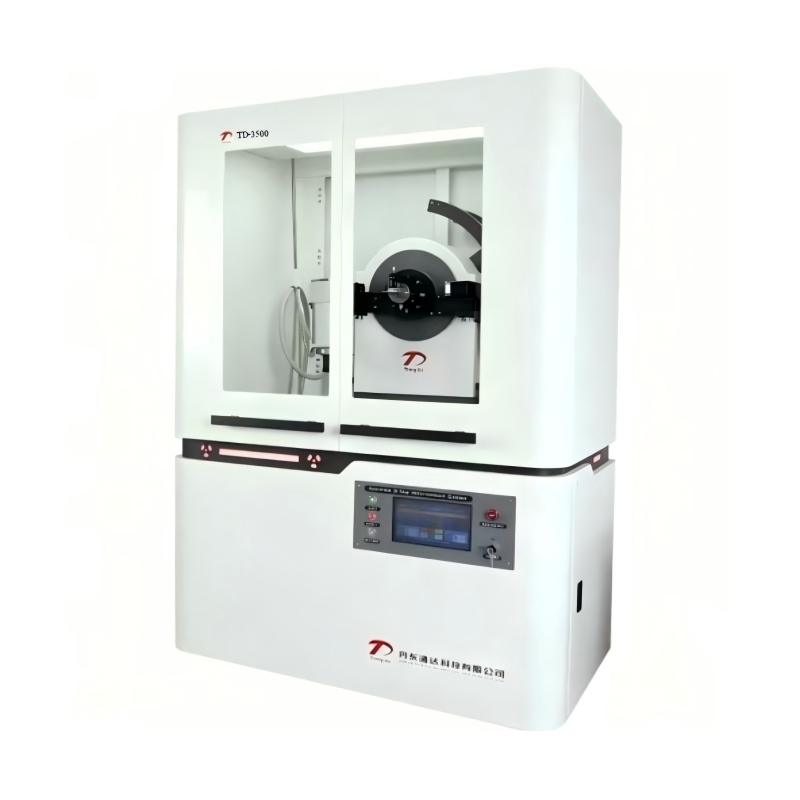
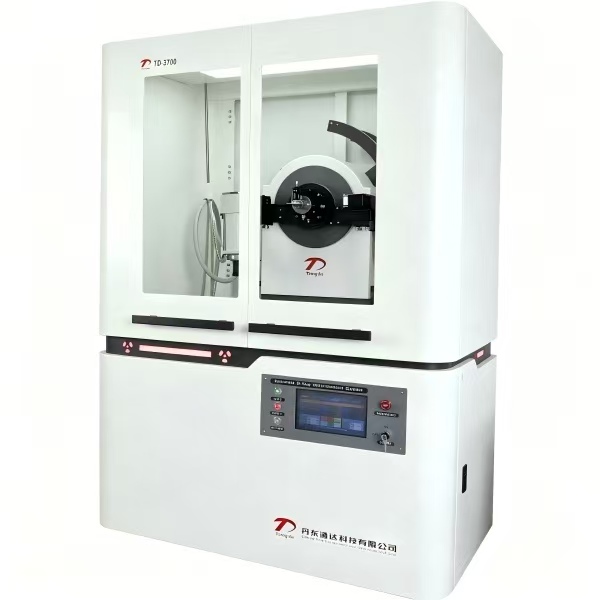
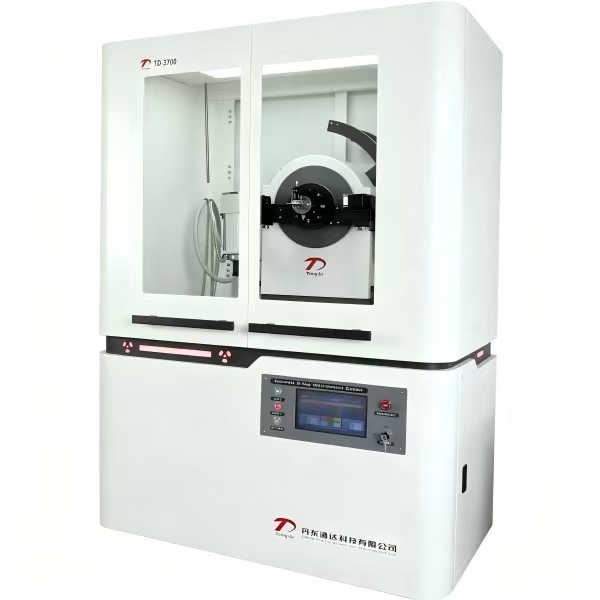
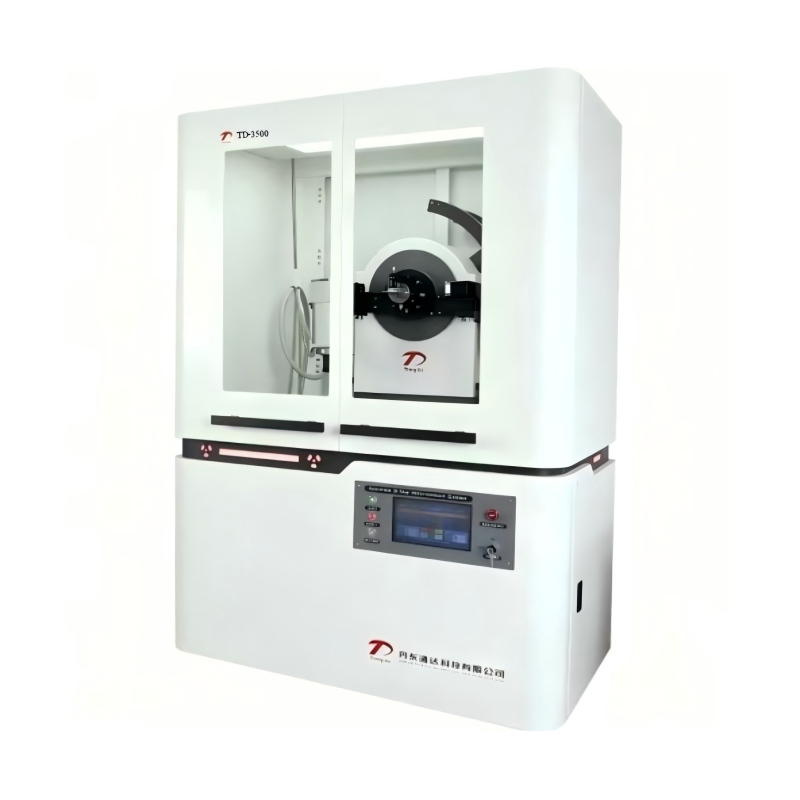
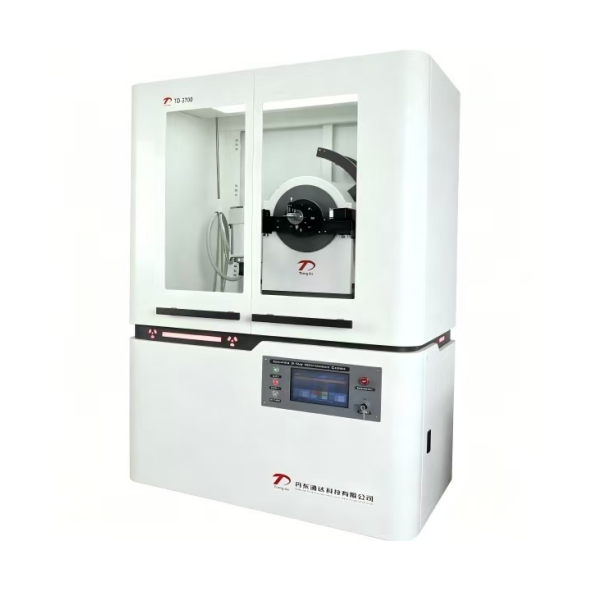
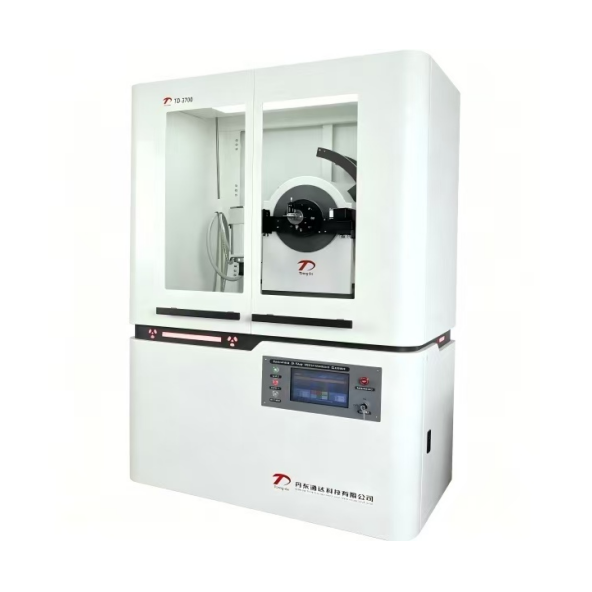
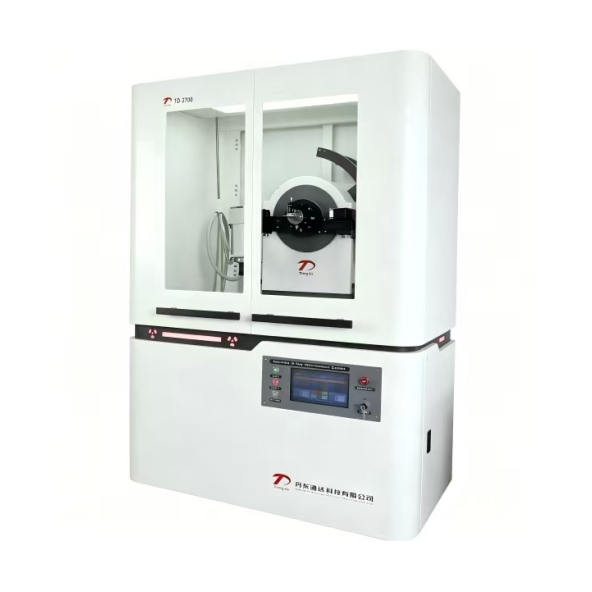
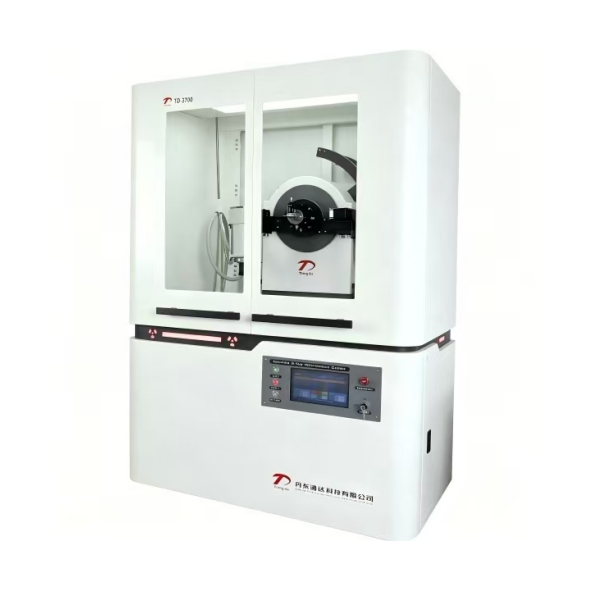
    Diffractometer
    1. The accuracy of Diffractometer is high. 2. The application range of Diffractometer is wide. 3. Diffractometer is easy to operate, convenient and efficient.
    More
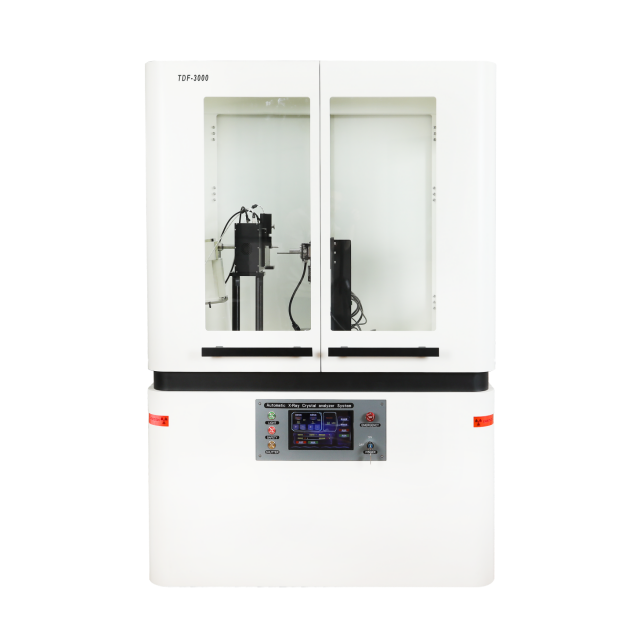
  • Single Crystal XRD
    Single Crystal XRD
    1.The single crystal machine adopts PLC control technology. 2.Modular design, accessories plug and play. 3.Electronic lead door interlocking equipment with double protection. 4.Single crystal X-ray tube: a variety of targets can be selected, such as Cu, Mo,etc. 5. Single crystal adopts four-circle concentric technology to ensure that the center of no goniometer remains unchanged.
    More
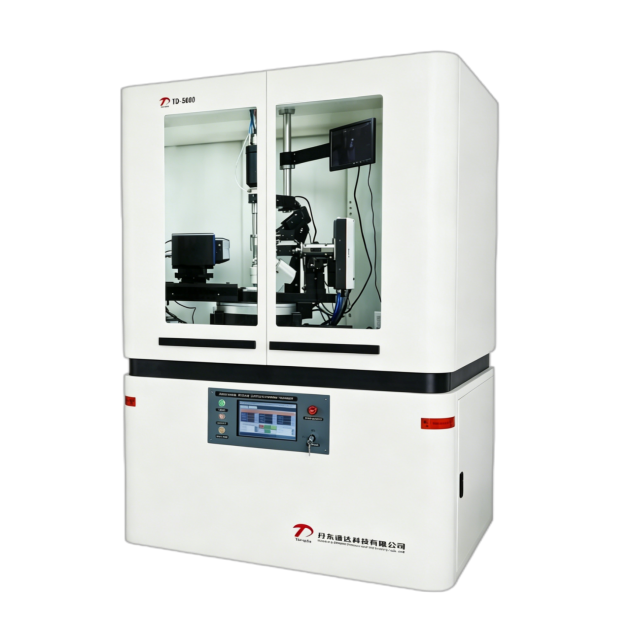
  • A 2D X-ray Diffractometer
    A 2D X-ray Diffractometer
    Advantages: Continuously adjustable X-ray penetration depth Capability to observe the distribution of crystal planes with different orientations Analysis of orientation distribution in samples such as fibers, thin films, and powders Examination of structural characteristics like lattice distortion and crystallite size
    More
  • X-ray Diffraction Residual Stress Analyzer
    X-ray Diffraction Residual Stress Analyzer
    TD-RSD XRD Residual Stress Analyzer ±7MPa accuracy, dual-detector innovation, full-auto operation & powerful software. Optimize processes, enhance product reliability. Compact, efficient, leading solution.
    More

Contact us

news

  • X-ray Absorption Spectrometer: Working Principle and Application Prospects
    X-ray Absorption Spectroscopy (XAS) core technique probing atomic structure via X-ray absorption. Analyzes XANES/EXAFS for electronic/coordination info. Key in materials, chemistry, biomedicine. Advancements enable in-situ studies, driving future sustainability applications.
    More
    2026
    03-18
  • Successful Applications of Powder Diffractometers in Practical Research
    A powder diffractometer enables precise crystal structure analysis, driving innovation across pharmaceuticals, materials science, environmental monitoring, and archaeology. It accelerates R&D, solves complex structural challenges, and supports scientific breakthroughs, making it an essential tool for modern research and industrial advancement.
    More
    2026
    03-17
  • Applications of X-ray Diffractometers in the Identification and Characterization of New Materials
    X-ray diffraction (XRD) is a key non-destructive technique for identifying and characterizing new materials. By analyzing diffraction patterns from crystal lattices, it determines phase composition, crystal structure, and microstructure. Critical for developing catalysts, batteries, and biomaterials, XRD enables precise analysis of thin films and structural changes, driving innovation across materials science.
    More
    2026
    03-16
  • How to Choose the Right Single-Crystal Diffractometer
    A guide on selecting a single-crystal diffractometer for structural analysis, covering key factors: defining needs, evaluating performance and software, and considering support and cost for an informed choice.
    More
    2026
    03-13
  • Solutions for Different Faults of X-ray Diffractometer
    XRD common failures: sample shift, detector sensitivity drop, poor cooling, generator failure, software crashes. Solutions: check holder/alignment, clean/calibrate detector, verify coolant flow, replace X-ray tube, update software regularly.
    More
    2026
    03-12
  • Maintenance and Care of X-ray Single Crystal Diffractometers: The Key to Ensuring Long-Term Stable Operation
    X-ray single crystal diffractometers require systematic maintenance to ensure long-term stability and reliable data. Daily cleaning prevents dust and oil from affecting accuracy or damaging components. Critical parts like the X-ray source and detectors need regular inspection and timely professional servicing. Calibration eliminates error accumulation and maintains measurement precision. Operational details—such as avoiding magnetic interference and proper storage during inactivity—are equally important. Together, these practices support instrument longevity and dependable research performance.
    More
    2026
    03-11
  • What aspects are related to the results of the X-ray crystal orientation instrument?
    X-ray crystal orientation results depend on three key areas: instrument performance including resolution sensitivity linearity and stability; sample characteristics such as crystal quality size and surface flatness; and environmental conditions like temperature humidity vibration and magnetic fields.
    More
    2026
    03-10
  • How to extend the service life of a graphite curved crystal monochromator
    Ensure the longevity of your Graphite Curved Crystal Monochromator with proper maintenance. Key steps: store in a dry environment, handle gently, and clean regularly. Adhering to these guidelines and the manufacturer's instructions guarantees reliable performance and extends equipment life.
    More
    2026
    03-09
  • Detailed Steps and Key Points for Calibrating an X-Ray Crystal Orientation Instrument
    Master X-ray crystal orientation instrument calibration through systematic steps: equipment inspection, standard sample preparation, precision alignment, data acquisition, and iterative verification. This ensures optimal performance and measurement accuracy.
    More
    2026
    03-06
  • Multifunctional Applications and Technical Advantages of X-ray Diffractometers
    Multifunctional X-ray diffractometer for material science. Performs phase, crystal, thin film, micro-area, and stress analysis. Key advantages: high-precision measurement, stable control, programmable operation, innovative non-concentric goniometer design, and configurable accessories. An indispensable tool for researchers.
    More
    2026
    03-05

Get the latest price? We will reply as soon as possible (within 12 hours)

top