
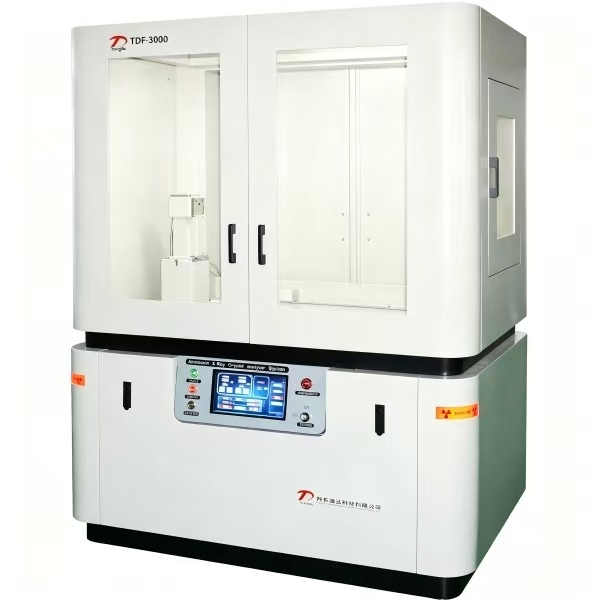
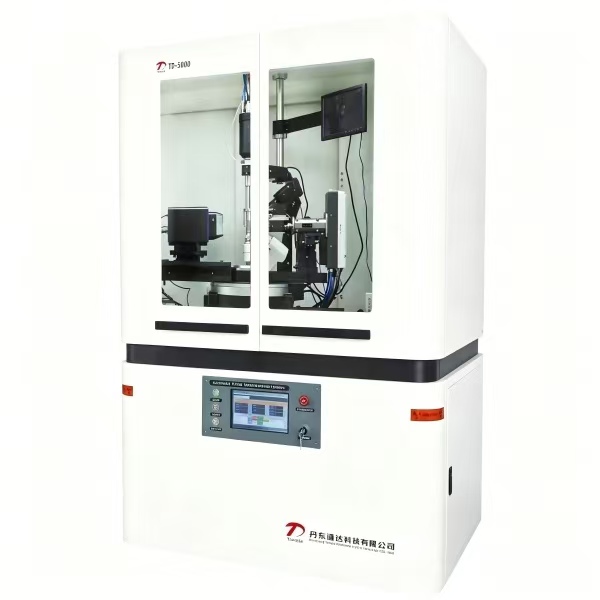
The X-ray intensity of nondestructive testingat a point in space is the sum of the number of photons and the energy product over a unit area perpendicular to the X-ray propagation direction in unit time. X-ray intensity is determined by two factors: the number of photons and the photon energy.
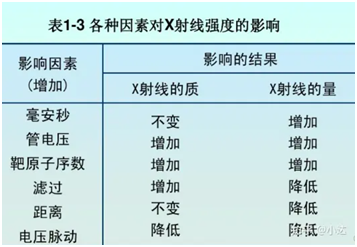
Factors affecting X-ray intensity include atomic number of target material, tube current, tube voltage, additional filtration.
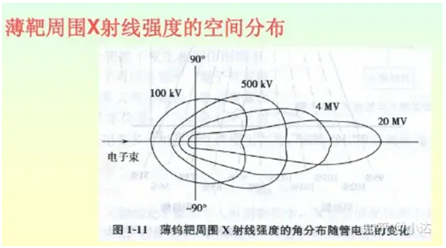
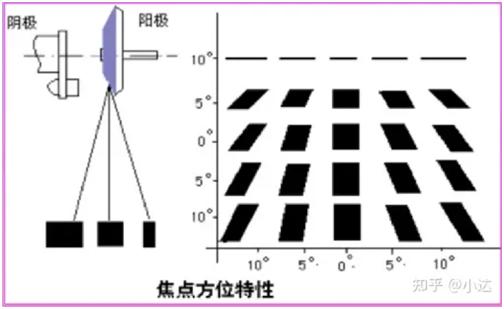
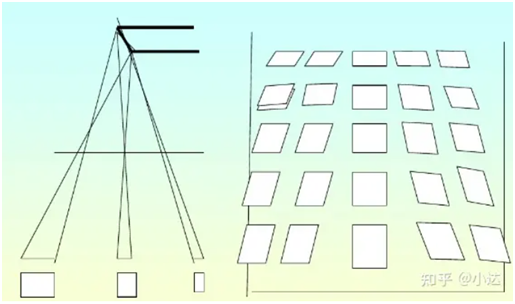
The X-ray generated from the focus of the X-ray tube is not evenly distributed in all directions of space, and the radiation intensity is different in different directions. This uneven distribution is called the spatial distribution of radiation intensity or the angular distribution of radiation field.
The spatial distribution of X-ray radiation intensity is very complicated, which mainly depends on the energy of radio electrons, the target material and the thickness of the target.
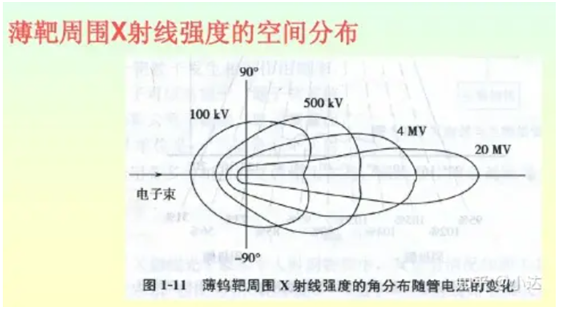
In radiological work, anodic effects are important when there are large differences in thickness or density of structures such as anatomic structures. Therefore, the following methods are generally used in imaging:
1. Generally speaking, the part with large thickness and high density is placed on the cathode side, so that the radiation amount of the imageable detector is more uniform.
2. Try to use X-ray beam photography with uniform intensity near the center line.
Example:
In the first shot, the focal distance is small a, the part is 20° across the center line, and the intensity difference between the two ends is 95%-31% = 64%
If the focal plate distance is extended to b, the casting position is only 8° across the center line, and the intensity difference between the two ends is 104%-85% = 19%.
Two important effects of the anode effect are changing the size and shape of the focus.