
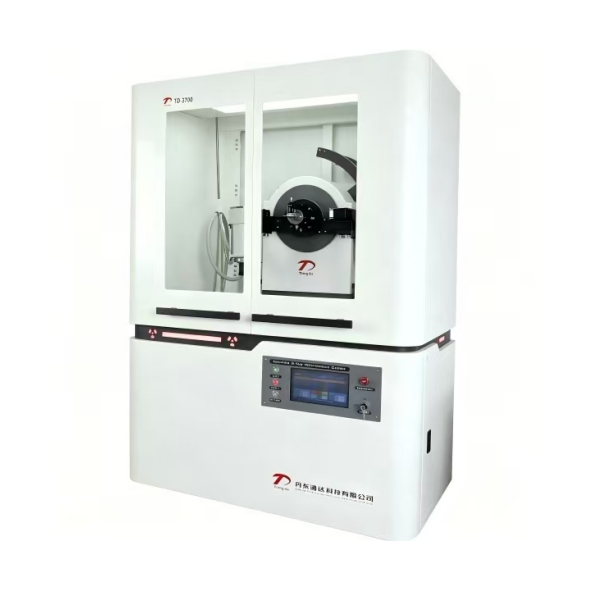
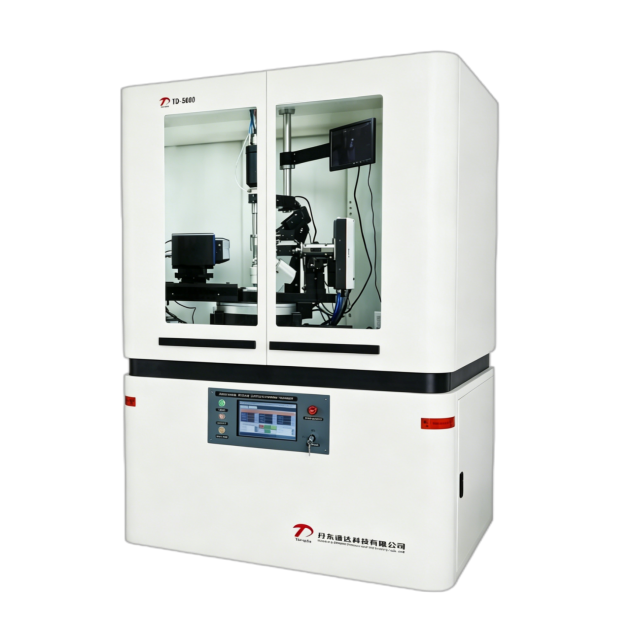
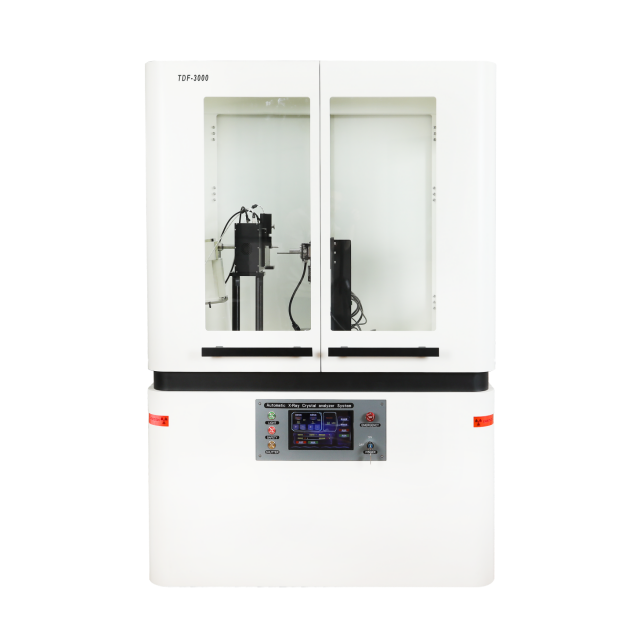
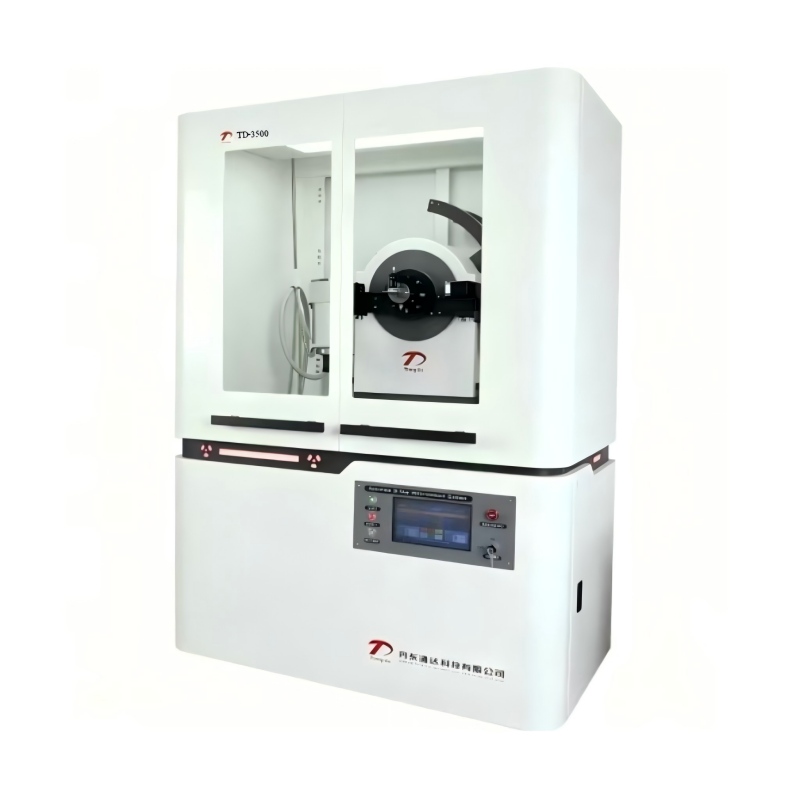
X-ray diffractometers have extensive applications across multiple fields. Some of these fields include:
Materials Science: X-ray diffractometers are used to study the crystal structure, phase transformation behavior, and stress state of materials. By analyzing the diffraction patterns, information about the crystal structure of materials can be obtained, further revealing their physical and chemical properties.
Chemistry: X-ray diffractometers are employed to investigate molecular structures and chemical reaction processes. Through the analysis of diffraction patterns, molecular structural information can be obtained, providing insights into their chemical properties and reaction mechanisms.
Biology: X-ray diffractometers are utilized to study protein crystal structures, virus morphology, and structural characteristics. By analyzing the diffraction patterns of proteins or viruses, their structural and morphological information can be derived, further elucidating their biological functions and mechanisms of action.
Medicine: X-ray diffractometers are applied to investigate the structure and properties of human tissues. By analyzing the diffraction patterns of tissues, structural and property information can be obtained, assisting in medical diagnosis and treatment.

Environmental Science: X-ray diffractometers are used to study the crystal structures and chemical compositions of environmental samples such as soil, water, and air. By analyzing the diffraction patterns of these samples, structural and compositional information can be obtained, supporting environmental monitoring and pollution control efforts.
Geology: X-ray diffractometers are employed to study the crystal structures and chemical compositions of rocks and minerals. By analyzing their diffraction patterns, structural and compositional information can be obtained, aiding geological research and the development of mineral resources.
In summary, X-ray diffractometers have broad applications across various fields and serve as crucial analytical instruments. Their ability to probe the atomic and molecular arrangement in matter non-destructively provides invaluable data that drives scientific discovery and technological innovation. From revealing the fundamental blueprint of life in biology to engineering stronger materials and safeguarding our environment, the insights gained from X-ray diffraction are foundational to progress in both pure and applied sciences. As technology advances, with improvements in source intensity, detector sensitivity, and data analysis algorithms, the capabilities and applications of these instruments will continue to expand, further solidifying their indispensable role in research and industry. The interdisciplinary nature of its applications underscores its significance as a unifying tool that bridges physics, chemistry, biology, geology, and engineering, making it a cornerstone of modern analytical laboratories worldwide.