

Products

Featured products

  • Diffractometer
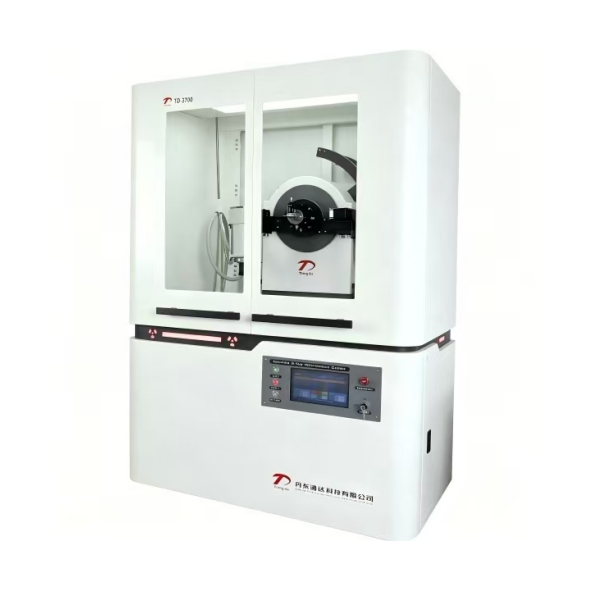
    Diffractometer
    1. The accuracy of Diffractometer is high. 2. The application range of Diffractometer is wide. 3. Diffractometer is easy to operate, convenient and efficient.
    More
  • Single Crystal XRD
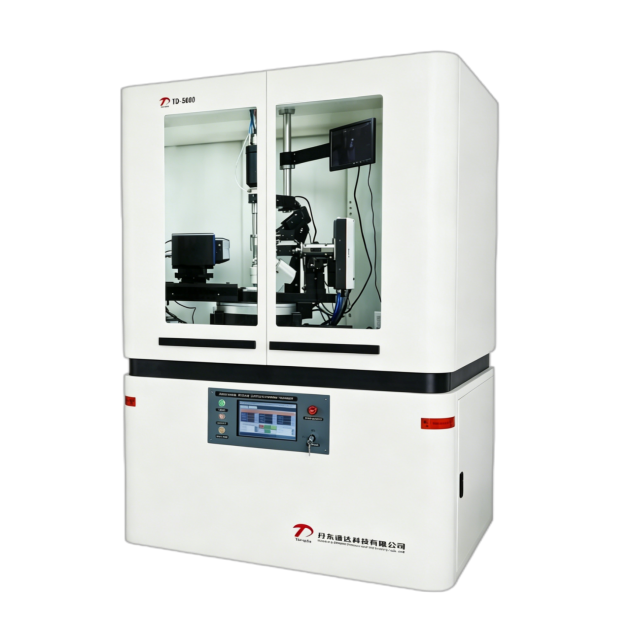
    Single Crystal XRD
    1.The single crystal machine adopts PLC control technology. 2.Modular design, accessories plug and play. 3.Electronic lead door interlocking equipment with double protection. 4.Single crystal X-ray tube: a variety of targets can be selected, such as Cu, Mo,etc. 5. Single crystal adopts four-circle concentric technology to ensure that the center of no goniometer remains unchanged.
    More
  • Series X-ray Crystal Analyzer
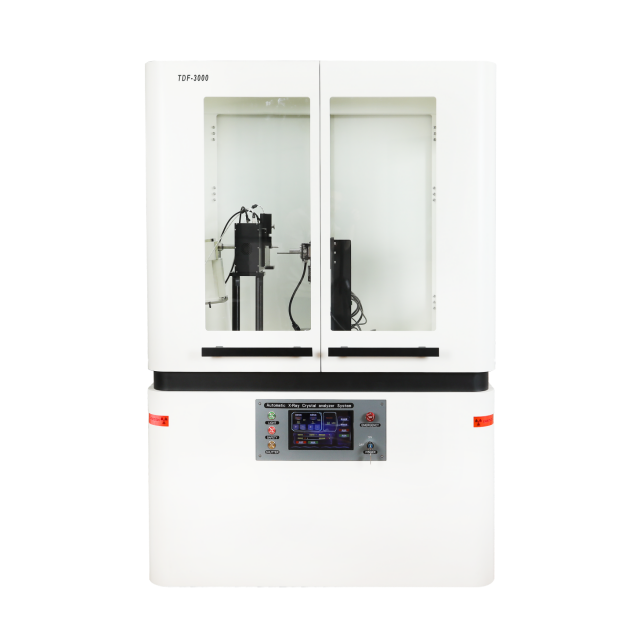
    Series X-ray Crystal Analyzer
    1. X-ray instrument is easy to operate and fast to detect. 2. X-ray instrument is accurate and reliable, with excellent performance. 3. X-ray instrument has various functional accessories to meet the needs of different testing purposes.
    More
  • Powder Diffractometer
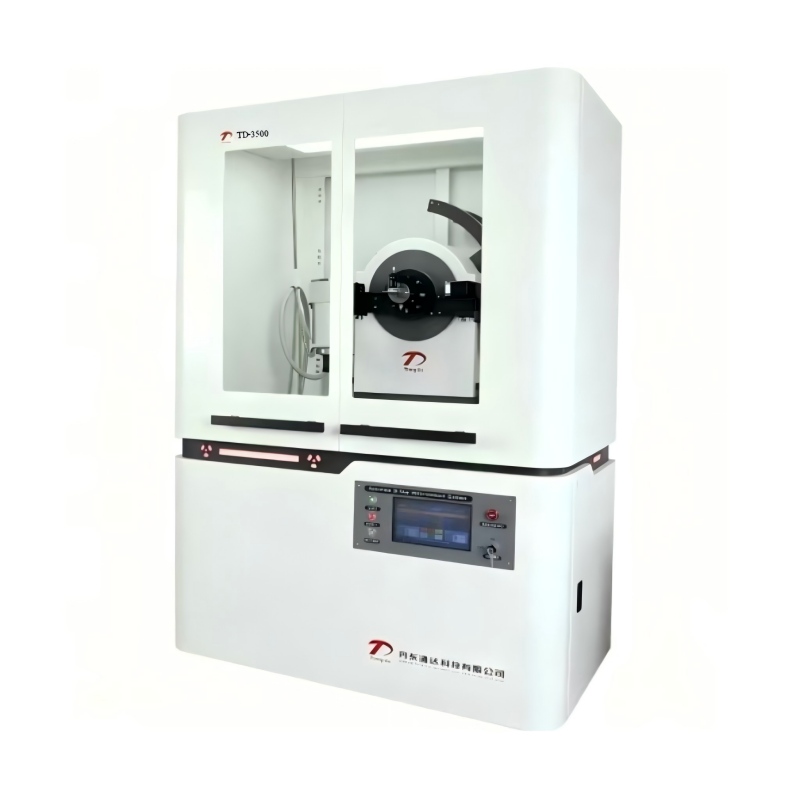
    Powder Diffractometer
    1. Detector type: Array detector or SDD detector; 2. PLC automatic control calculus, Integration mode conversion, PLC automatically performs PHA, dead time correction 3.Sample measurement type: powder sample, liquid samples, melt-state samples, viscous samples, loose powders, bulk solid samples 4.Available with a variety of diffractometer accessories 5.Maximum output powder: 3kW
    More

Contact us

Characterization of copper monoatom

2023-11-06

Characterization methods of copper monatomic catalysts are often used to determine their structure and properties, and the following are several common characterization methods:


Transmission electron microscopy: TEM can provide high-resolution images of the catalyst for observing the morphology and particle size distribution of the catalyst. For copper monoatomic catalysts, TEM can show the dispersion of individual copper atoms and the structure of the support.
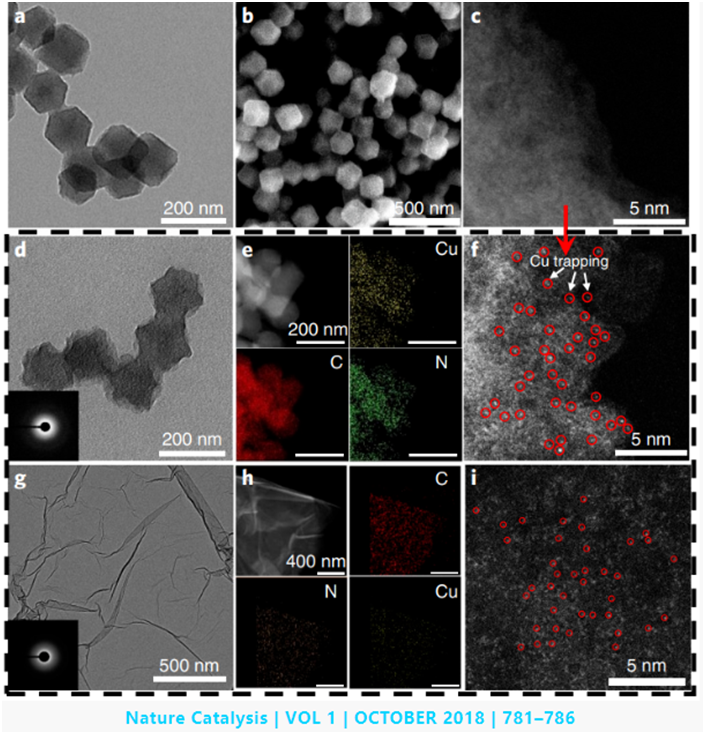
X-ray diffraction

X-ray absorption spectroscopy: XAS can provide information about the chemical state and coordination environment of copper atoms in the catalyst. By measuring the X-ray absorption spectra, such as the X-ray absorption near-side structure and the extended X-ray absorption fine structure, the oxidation state of copper atoms, the coordination number and the distance of the surrounding atoms can be determined.


X-ray diffraction: XRD can be used to determine the crystal structure of the copper atoms in the catalyst. However, for copper monoatomic catalysts, the crystal structure is often not obvious or there is no clear crystal diffraction peak, because copper atoms exist in a single form and do not form a clear crystal structure.


Get the latest price? We will reply as soon as possible (within 12 hours)

top