A quality single crystal for X-ray diffraction requires optimal solvent choice (moderate solubility/volatility), proper growth method (evaporation/diffusion), high sample purity, and a vibration-free environment to ensure well-defined morphology and minimal defects.
EmailMore
This article details a comprehensive three-pronged strategy to eliminate higher-order diffraction interference in X-ray single-crystal analysis. The methods involve hardware filtration at the source using monochromators and slits, parameter optimization during data collection to suppress detection, and software correction algorithms for residual effects in data processing. This combined approach ensures high-precision crystal structure determination by controlling intensity errors.
EmailMore
XRD analyzers use Bragg's Law to measure diffraction angles, enabling non-destructive decoding of crystal phases, lattice constants, grain size, and stress from interplanar spacing changes.
EmailMore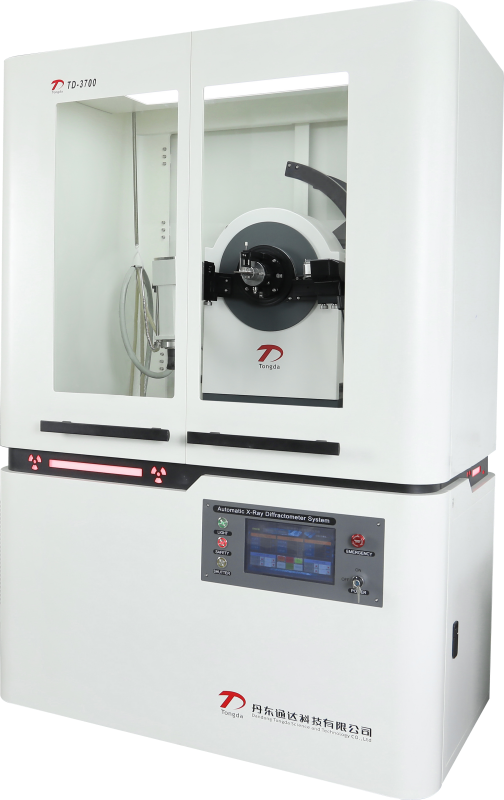
The Physical Foundation of X-ray Diffractometer (for Stress Measurement): In-depth Derivation of Diffraction Geometry and the Stress-Strain Relationship
EmailMore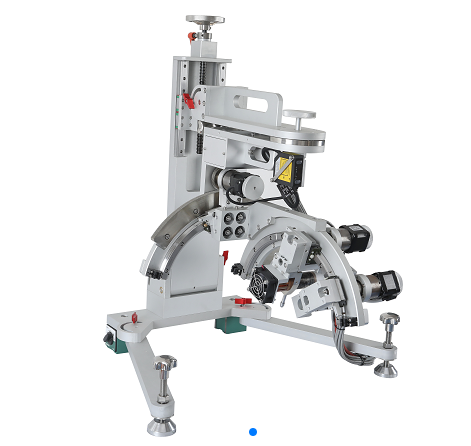
New-generation HR-XRD cuts energy use via hardware upgrades, smart controls, and full lifecycle management, maintaining precision while slashing costs and emissions for green labs.
EmailMore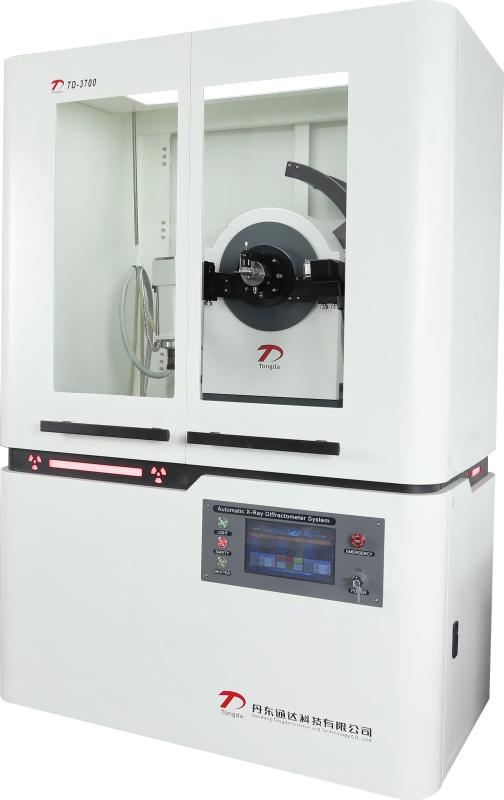
This guide details essential maintenance for benchtop XRD systems, covering X-ray generation, optics, detectors, and safety. Regular upkeep ensures accuracy, prevents failures, and extends equipment life. The TDM-20 Benchtop XRD from Dandong Tongda Technology meets all your analytical needs.
EmailMore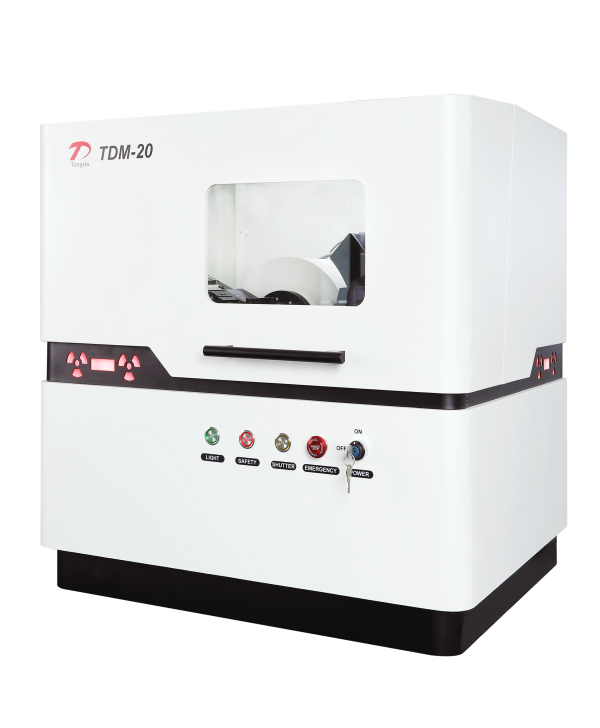
XRD maintenance follows "Prevention First, Regular Inspection." Safety protocols require "Protection Priority, Standardized Procedures." Key practices include environment control, component care, strict safety checks, and proper shutdown. Adherence ensures instrument longevity, operator safety, and data reliability.
EmailMore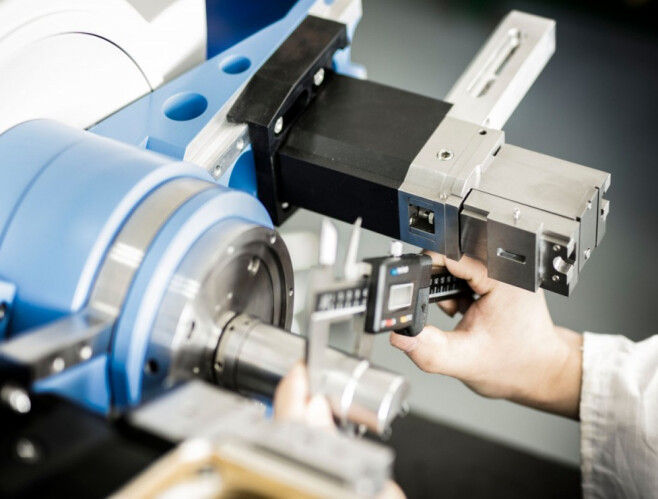
Benchtop diffractometers enable rapid, on-site phase identification. Their compact size and simple operation overcome traditional XRD limitations, boosting efficiency in QC, R&D, and field applications like material screening and analysis.
EmailMore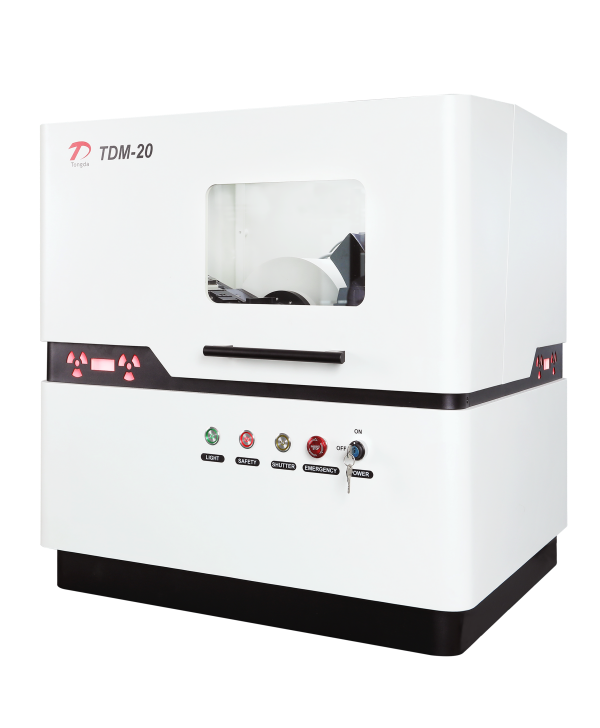
Powder diffractometer efficiency can be doubled by optimizing sample preparation (grinding, loading), instrument parameters (scan range/speed), and adopting batch processing and routine maintenance. These steps ensure high-quality data while significantly reducing experimental time and rework.
EmailMore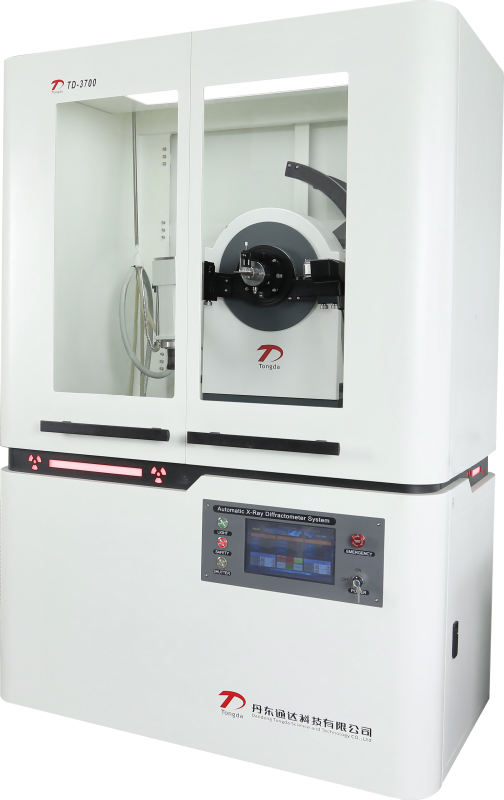
XRD enables precise TiO2 phase quantification, crucial for product quality. Dandong Tongda's TD-series diffractometers, with specialized programs, ensure accurate rutile/anatase analysis (<0.2% error).
EmailMore